
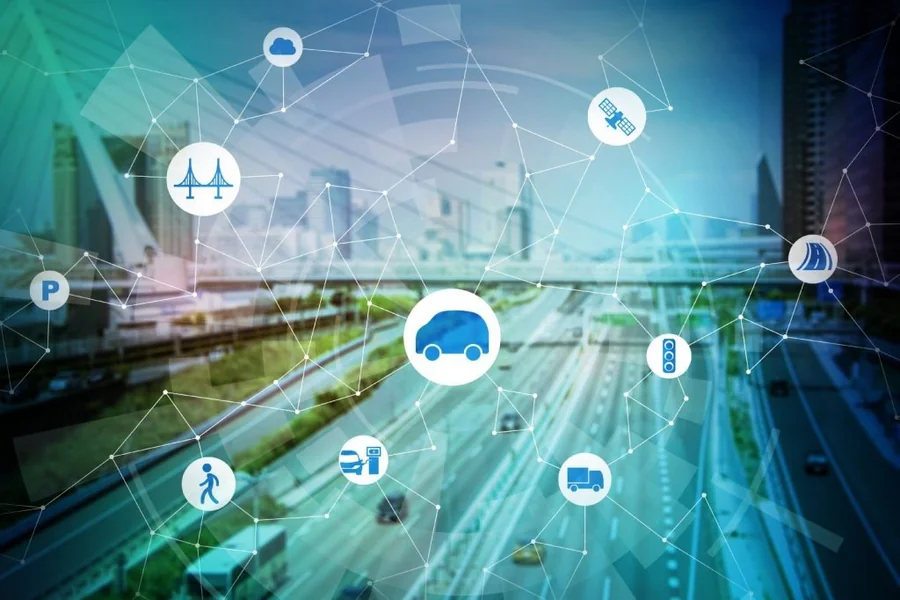
The transportation industry is undergoing a significant transformation driven by technological advancements. As urbanization continues to rise, the demand for efficient, sustainable, and innovative transportation solutions becomes more pressing. Emerging technologies are not only reshaping how we move but also how transportation systems are designed, managed, and maintained. From autonomous vehicles to smart infrastructure, these innovations promise to enhance safety, reduce environmental impact, and improve the overall efficiency of transportation networks. This article delves into the key technology trends that are set to redefine the future of transportation, offering insights into the potential changes and challenges that lie ahead.
Key Trends in Transportation Technology
Autonomous Vehicles and Their Impact
Autonomous vehicles are at the forefront of the transportation revolution, promising to transform how we travel. These self-driving cars, trucks, and buses are equipped with advanced sensors, cameras, and artificial intelligence systems that allow them to navigate roads with minimal human intervention. The potential benefits of autonomous vehicles are vast, including reduced traffic congestion, lower accident rates, and increased accessibility for those unable to drive. However, the widespread adoption of autonomous vehicles also presents challenges, such as regulatory hurdles, cybersecurity concerns, and the need for significant infrastructure upgrades. As technology continues to advance, the integration of autonomous vehicles into existing transportation systems will require careful planning and collaboration between governments, manufacturers, and technology providers.
The Rise of Electric Vehicles
Electric vehicles (EVs) are gaining traction as a sustainable alternative to traditional gasoline-powered cars. With advancements in battery technology, EVs are becoming more affordable and capable of longer ranges, making them a viable option for everyday use. The shift towards electric vehicles is driven by the need to reduce greenhouse gas emissions and combat climate change. Governments worldwide are implementing policies and incentives to encourage the adoption of EVs, such as tax credits, rebates, and the development of charging infrastructure. As the demand for electric vehicles grows, the automotive industry is investing heavily in research and development to improve battery efficiency, charging speed, and overall vehicle performance. The transition to electric vehicles is expected to have a profound impact on the transportation sector, reshaping the automotive market and influencing urban planning and energy consumption patterns.
Smart Infrastructure and Connectivity
The development of smart infrastructure is crucial for the successful integration of new transportation technologies. Smart infrastructure refers to the use of digital technology and data analytics to enhance the efficiency and safety of transportation systems. This includes the implementation of intelligent traffic management systems, connected roadways, and real-time data sharing between vehicles and infrastructure. By leveraging the Internet of Things (IoT) and big data, smart infrastructure can optimize traffic flow, reduce congestion, and improve emergency response times. Additionally, the connectivity between vehicles and infrastructure enables the development of new services and applications, such as dynamic toll pricing, predictive maintenance, and enhanced navigation systems. As cities continue to grow, the adoption of smart infrastructure will be essential in creating sustainable and efficient transportation networks.
The integration of Case Technologies connected, autonomous, shared, and electric—represents a significant shift in the transportation landscape. These technologies are not only transforming individual modes of transport but also the entire ecosystem of mobility services. Connected vehicles communicate with each other and with infrastructure to enhance safety and efficiency. Autonomous vehicles offer the promise of reduced human error and increased accessibility. Shared mobility services, such as ride-sharing and car-sharing, are changing the way people access transportation, reducing the need for personal vehicle ownership. Electric vehicles contribute to environmental sustainability by reducing emissions. Together, these technologies are creating a more integrated and efficient transportation system that meets the needs of modern society.
The Role of Artificial Intelligence
Artificial intelligence (AI) is playing a pivotal role in the evolution of transportation systems. AI technologies are being used to enhance vehicle automation, optimize traffic management, and improve passenger experiences. In autonomous vehicles, AI algorithms process vast amounts of data from sensors and cameras to make real-time driving decisions. AI is also being used to develop predictive maintenance systems that can identify potential vehicle issues before they become critical, reducing downtime and maintenance costs. In public transportation, AI-powered systems are being implemented to optimize routes, manage schedules, and provide personalized travel recommendations to passengers. As AI continues to advance, its applications in transportation are expected to expand, leading to more efficient, safe, and user-friendly transportation systems.
Challenges and Considerations
While the potential benefits of these technological advancements are significant, there are also challenges and considerations that must be addressed. The transition to new transportation technologies requires substantial investment in infrastructure, research, and development. Regulatory frameworks must be updated to accommodate new modes of transport and ensure safety and security. Privacy concerns related to data collection and sharing must be carefully managed to protect user information. Additionally, the shift towards automation and electrification may have economic implications, such as job displacement in traditional automotive and transportation sectors. Addressing these challenges will require collaboration between governments, industry stakeholders, and the public to ensure a smooth and equitable transition to the future of transportation.
Conclusion
The future of transportation is being shaped by a convergence of innovative technologies that promise to revolutionize how we move. Autonomous vehicles, electric cars, smart infrastructure, and artificial intelligence are at the forefront of this transformation, offering solutions to some of the most pressing challenges facing the transportation industry today. While these advancements hold great promise, they also present challenges that must be carefully navigated to ensure a sustainable and equitable future. As we look ahead, the successful integration of these technologies will depend on collaboration, investment, and a commitment to creating transportation systems that are efficient, safe, and accessible for all.


