
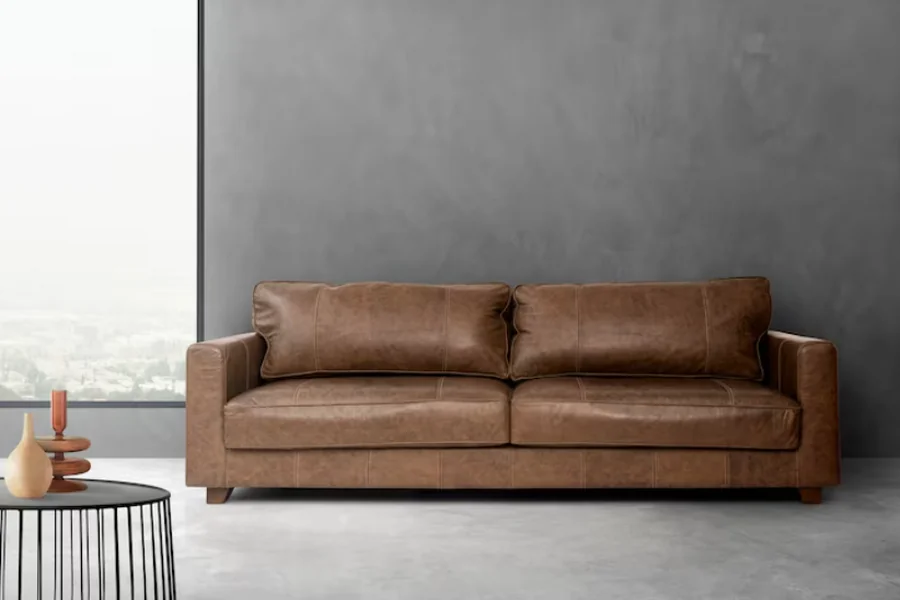
When selecting a genuine leather sofa in Singapore, homeowners are often drawn to its combination of durability, comfort, and timeless elegance. Leather sofas have remained a popular choice for decades because they effortlessly blend luxury with practicality, making them suitable for both modern and traditional interiors. Their natural texture and refined appearance allow them to enhance the overall atmosphere of any living space.
The Timeless Elegance of Leather
Leather has a classic appeal that never goes out of style. One of its most distinctive qualities is the way it develops a natural patina over time. This gradual change enhances its appearance, giving each sofa a unique character that cannot be replicated by synthetic materials.
Unlike many other upholstery options, leather becomes more attractive with age. Its ability to age gracefully while maintaining strength and structure is one of the key reasons it continues to be a preferred material for premium furniture.
Understanding Quality: Genuine vs Faux
When choosing a leather sofa, it is important to understand the difference between genuine leather and faux leather. Genuine leather is made from natural animal hides and is known for its strength, breathability, and long lifespan.
Faux leather, on the other hand, is a synthetic alternative designed to imitate the appearance of real leather. While it is often more affordable, it does not offer the same durability, texture, or ageing characteristics as genuine leather. It also lacks the natural breathability that makes real leather more comfortable in varying climates.
The Benefits of Investing in Genuine Leather
Durability and Longevity
One of the strongest advantages of genuine leather sofas is their durability. High-quality leather is resistant to wear and tear, making it ideal for long-term use. Unlike fabric upholstery, it does not easily fray or lose shape, ensuring that the sofa remains structurally sound for many years.
With proper care, a leather sofa can last decades, making it a worthwhile long-term investment for homeowners who value both style and practicality.
Hypoallergenic Properties
Leather is naturally resistant to dust mites, pet dander, and other allergens that commonly accumulate in fabric furniture. This makes it a suitable option for households with allergy sufferers or individuals who prefer a cleaner living environment.
Because it does not trap dust as easily, leather sofas are also easier to maintain, requiring less frequent deep cleaning compared to fabric alternatives.
Comfort and Style
Leather sofas offer a unique level of comfort that improves over time. As the material softens with use, it becomes more adaptable and comfortable to sit on. Additionally, leather adjusts to room temperature, providing comfort in both warm and cool environments.
From a design perspective, leather adds a sense of sophistication and elegance. It complements a wide range of interior styles, from modern minimalist spaces to more traditional and classic settings.
Choosing the Right Leather Sofa
Types of Leather
Understanding the different types of leather helps in making an informed choice:
Full-grain leather is the highest quality option, featuring the natural markings of the hide. It is highly durable and develops a rich patina over time, adding character and depth.
Top-grain leather is slightly processed to create a smoother and more uniform appearance while still maintaining good durability and comfort.
Split leather is taken from the lower layers of the hide and is more affordable. However, it is less durable and does not offer the same premium feel as higher-grade leathers.
Style and Comfort Considerations
Choosing the right sofa style depends on both room size and personal preference. Larger living spaces often suit sectional sofas, which provide ample seating and create a strong visual presence.
For smaller spaces, compact two-seater or three-seater sofas are more practical. These designs maximise space efficiency while still maintaining elegance and comfort.
Colour Choices
Traditional leather colours such as black, brown, and tan remain popular due to their versatility and timeless appeal. However, modern interior design trends have introduced more adventurous colour options.
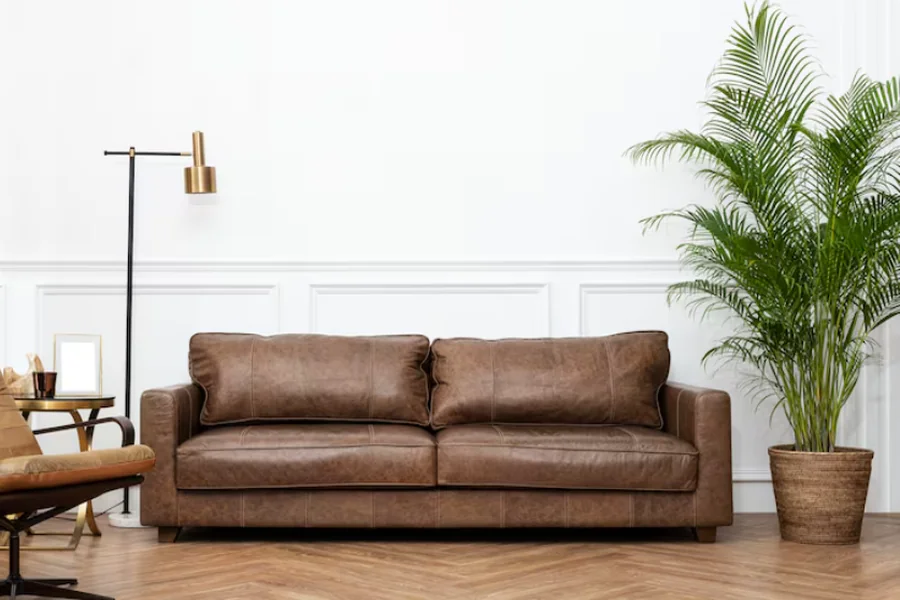
Shades such as navy blue, deep green, and burgundy are increasingly popular, allowing homeowners to create bold and distinctive interior statements while maintaining a luxurious feel.
Maintenance and Care Tips
Proper care is essential to maintain the appearance and longevity of a leather sofa. Regular cleaning with a soft, dry, or slightly damp cloth helps remove dust and surface dirt.
For deeper cleaning, specially formulated leather cleaners should be used to preserve the material’s natural oils. Conditioning the leather periodically is also important, as it helps prevent drying, cracking, and stiffness over time.
Positioning Matters
Where the sofa is placed within the home can significantly affect its lifespan. Direct exposure to sunlight or heat sources should be avoided, as this can cause fading and drying of the leather surface.
Positioning the sofa in a shaded or controlled environment helps preserve its colour and texture, ensuring it remains in good condition for longer.
Tackling Stains and Scratches
Leather is relatively easy to maintain when spills or marks are addressed quickly. Light stains should be gently blotted with a clean cloth rather than rubbed, as rubbing can spread the stain further.
For minor scratches, applying a small amount of leather conditioner and gently massaging the area can help reduce visibility and restore a smoother surface.
A Sustainable Choice
Genuine leather is often considered a more sustainable option compared to synthetic alternatives. As a natural material, it is biodegradable and typically lasts much longer, reducing the need for frequent replacements.
In many cases, leather is a by-product of the food industry, which helps minimise waste. This contributes to a more resource-efficient use of materials in furniture production.
Craftsmanship and Ethical Production
High-quality leather sofas are often the result of skilled craftsmanship. Many manufacturers take pride in traditional techniques combined with modern production methods to create durable and refined furniture pieces.
In addition, there is growing awareness of ethical production practices. Responsible tanning processes that reduce chemical usage and environmental impact are becoming more common, supporting a more sustainable furniture industry.
Conclusion: A Lasting Investment
A genuine leather sofa is more than just a piece of furniture; it is a long-term investment in comfort, style, and quality. Its ability to age beautifully, combined with its durability and timeless appeal, makes it a valuable addition to any home.
Whether choosing a modern design or a classic style such as a Chesterfield, leather sofas continue to offer unmatched elegance and functionality. They remain a staple in interior design, bringing warmth, sophistication, and lasting value to living spaces.