
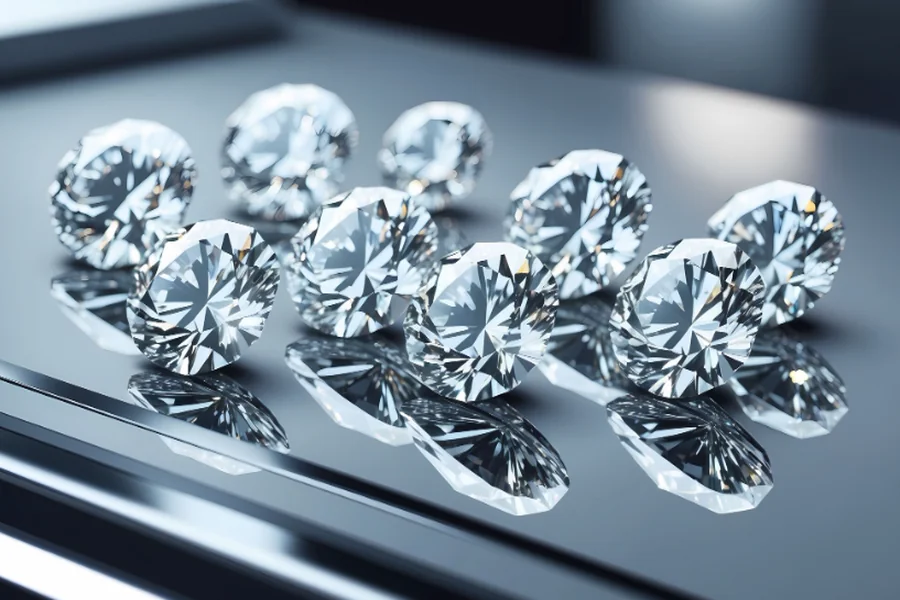
The rise of lab-grown diamonds has reshaped conversations within the jewellery world, science communities, and consumer markets alike. Once considered a niche innovation, they are now firmly positioned as a serious alternative to mined diamonds.
While they share the same physical, chemical, and optical properties as natural diamonds, their origin story is fundamentally different. Instead of forming over billions of years beneath the Earth’s surface, they are created in highly controlled laboratory environments using advanced scientific techniques. As consumers become more curious about lab-grown diamonds, interest continues to grow around their sustainability, affordability, and ethical advantages. This shift has not only influenced how diamonds are produced but also how they are perceived, valued, and purchased.
Contents
- 1 The Science Behind Lab-Grown Diamonds
- 2 Advantages of Lab-Grown Diamonds
- 3 Aesthetic and Quality Parity
- 4 Market Dynamics and Consumer Perception
- 5 The Role of Technology
- 6 The Jewellery Industry’s Response
- 7 Pricing and Availability
- 8 Industry Outlook and Innovation
- 9 Challenges and Criticisms
- 10 Environmental and Social Considerations
- 11 Conclusion: A Changing Definition of Value
The Science Behind Lab-Grown Diamonds
The creation of lab-grown diamonds relies on sophisticated technological processes that replicate the natural conditions under which diamonds form. The two most widely used methods are High Pressure High Temperature (HPHT) and Chemical Vapour Deposition (CVD).
In the HPHT method, a small diamond seed is placed under extreme pressure and temperature conditions that mirror the Earth’s mantle. Carbon is then introduced and gradually crystallises around the seed, forming a diamond structure over time.
The CVD method takes a different approach. A diamond seed is placed inside a sealed chamber filled with carbon-rich gas. Through controlled energy application, the gas breaks down, and carbon atoms attach themselves to the seed layer by layer. Over time, this process builds a fully formed diamond crystal.
Both methods produce diamonds that are chemically identical to mined diamonds, meaning they share the same hardness, brilliance, and structural integrity.
Advantages of Lab-Grown Diamonds
One of the most significant advantages of lab-grown diamonds is their reduced environmental impact. Traditional diamond mining involves extensive excavation, energy consumption, and land disruption. It can alter ecosystems and leave long-term environmental footprints. In contrast, lab-grown diamonds require significantly less physical disruption to the earth.
Another important benefit is ethical transparency. Lab-grown diamonds are not associated with the same concerns surrounding conflict sourcing or unethical mining practices. This provides consumers with greater confidence about the origins of their jewellery, aligning with growing global interest in responsible consumption.
They also offer consistency in quality and availability. Because they are created in controlled environments, factors such as clarity, colour, and size can be more precisely managed compared to natural extraction.
Aesthetic and Quality Parity
From a visual and structural standpoint, lab-grown diamonds are virtually indistinguishable from natural diamonds. They possess the same brilliance, fire, and durability. Even trained gemologists require specialised equipment to tell them apart.
They are available in the same range of cuts, colours, and clarity grades, allowing consumers to choose designs without compromising on appearance. This parity means buyers can enjoy the luxury and elegance of diamonds while benefiting from a more accessible price point in many cases.
Market Dynamics and Consumer Perception
The introduction of lab-grown diamonds has significantly influenced global diamond markets. Traditionally, diamond supply chains were tightly controlled by a small number of dominant industry players. The emergence of lab-grown alternatives has introduced greater competition and diversity.
This shift has also changed consumer expectations. Many buyers today are more informed and more conscious of sustainability and ethics. As a result, lab-grown diamonds are increasingly seen as a modern, responsible choice rather than a lesser alternative.
However, perceptions still vary. While some consumers fully embrace them, others continue to associate value and rarity with naturally mined stones. This ongoing shift in perception continues to shape how the market evolves.
The Role of Technology
Technology is at the heart of the lab-grown diamond industry. Advances in engineering, material science, and precision control systems have made it possible to produce diamonds of exceptional quality.
Modern production techniques allow manufacturers to regulate growth conditions with remarkable accuracy. This has led to improvements in crystal size, clarity, and overall consistency. Artificial intelligence and data-driven monitoring systems are also increasingly used to optimise production efficiency.
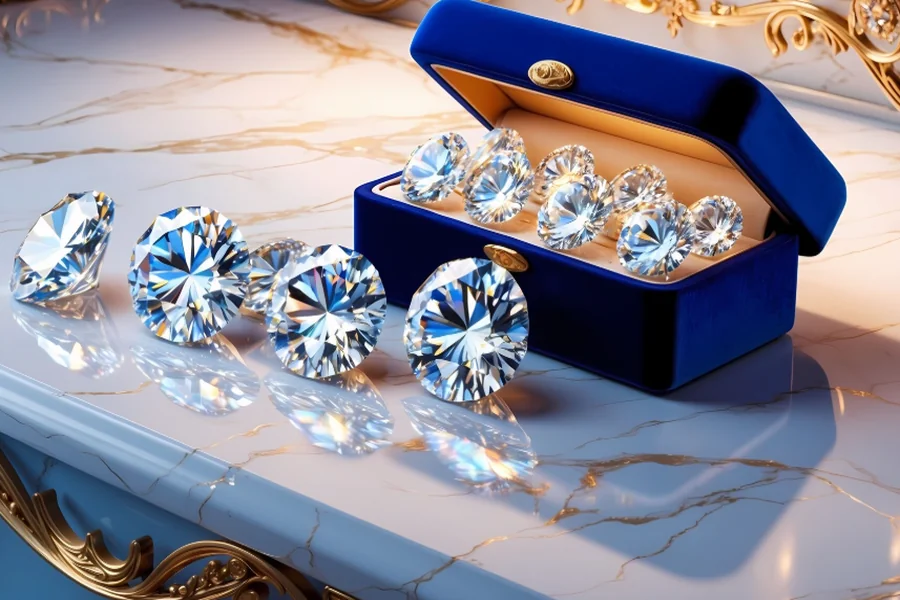
As technology continues to advance, production is expected to become even more efficient, potentially making lab-grown diamonds more widely accessible in the future.
The Jewellery Industry’s Response
The jewellery industry initially responded to lab-grown diamonds with caution. Concerns centred around market disruption, pricing structures, and consumer trust. For decades, natural diamonds were positioned as rare and exclusive, and the introduction of a scalable alternative challenged that narrative.
Over time, however, attitudes have shifted. Many jewellers now incorporate lab-grown diamonds into their collections, recognising growing consumer demand. They are particularly popular among younger buyers who prioritise sustainability, transparency, and affordability.
Today, lab-grown diamonds are commonly featured in both bespoke designs and mainstream jewellery lines, reflecting their growing acceptance within the industry.
Pricing and Availability
One of the most appealing aspects of lab-grown diamonds is their pricing structure. They are generally more affordable than mined diamonds of comparable size and quality. This difference is largely due to the absence of mining, extraction logistics, and long supply chains.
However, pricing is not fixed and can vary depending on factors such as cut quality, carat size, colour grading, and brand positioning. Some premium lab-grown diamonds may still command higher prices, particularly when associated with established jewellers or exceptional specifications.
This flexibility makes them accessible to a wide range of consumers with different budgets and preferences.
Industry Outlook and Innovation
The future of lab-grown diamonds appears promising, with continued innovation driving the sector forward. As production methods become more efficient, costs may decrease further, making these diamonds even more accessible.
Beyond jewellery, lab-grown diamonds also hold potential in industrial and technological applications. Their hardness and thermal conductivity make them suitable for use in cutting tools, electronics, and high-performance systems.
Ongoing research in material science may unlock even more uses, expanding their relevance beyond decorative purposes.
Challenges and Criticisms
Despite their advantages, lab-grown diamonds are not without challenges. One of the main issues is perception. Some consumers still question whether lab-grown diamonds hold the same emotional or investment value as natural ones. The idea of rarity continues to influence buying decisions.
There are also complexities in certification and regulation. Different regions may have varying grading standards, which can sometimes create confusion among consumers.
Additionally, there is an ongoing debate about long-term market value. As production increases, some critics argue that lab-grown diamonds may become more commoditised, potentially affecting their perceived luxury status.
Environmental and Social Considerations
Sustainability remains one of the strongest arguments in favour of lab-grown diamonds. By reducing the need for large-scale mining, they help limit environmental disruption and resource extraction.
However, it is important to acknowledge that their production still requires energy. The environmental impact depends largely on the energy sources used in manufacturing facilities. If powered by renewable energy, their sustainability profile improves significantly.
From a social perspective, lab-grown diamonds also reduce exposure to unethical mining practices, supporting a more transparent supply chain.
Conclusion: A Changing Definition of Value
The rise of lab-grown diamonds represents more than just a technological breakthrough; it reflects a broader shift in how value is defined. Today’s consumers are increasingly balancing beauty, ethics, sustainability, and affordability when making purchasing decisions.
While natural diamonds continue to hold historical and emotional significance, lab-grown diamonds offer a compelling alternative that aligns with modern priorities. As technology advances and awareness grows, their role in the jewellery industry is likely to expand even further.
Ultimately, the evolution of lab-grown diamonds highlights a changing world where innovation and responsibility are becoming just as important as tradition and rarity.