
Private jet card programs have become an increasingly popular way to access private aviation without the long-term commitment of owning an aircraft. They are designed for individuals and businesses that value flexibility, predictability, and convenience, while still maintaining the high standards associated with private jet travel.
At their core, jet card programs allow clients to prepay for flight hours or deposit funds that can be used toward future flights. This structure simplifies the booking process and provides a more structured alternative to traditional on-demand charter.
How Jet Card Programs Work
A private jet card typically involves purchasing a set number of flight hours – commonly 25, 50, or 100 hours – or placing a monetary deposit with a provider. Once enrolled, the client can request flights as needed, often with relatively short notice.
Instead of negotiating pricing for each trip, clients are usually given access to fixed hourly rates based on aircraft category. For example, a light jet will have a different hourly rate than a large cabin jet. This makes the process more predictable and reduces the complexity often associated with charter bookings.
The provider manages all operational aspects, including aircraft sourcing, crew coordination, and scheduling. From the client’s perspective, the experience is streamlined and consistent.
Pricing and What You’re Really Paying For
One of the main reasons people choose jet cards is pricing clarity. With fixed hourly rates, it becomes much easier to estimate travel costs in advance. However, it is important to understand what is included.
Most programs cover core operational expenses such as fuel, crew, and standard aircraft use. That said, additional costs may still apply – especially for peak travel days, international flights, or special services like catering and ground transportation.
Some providers offer deposit-based programs instead of fixed hours. These can be more flexible but may involve fluctuating pricing depending on market conditions.
Why Clients Choose Jet Cards
Jet card programs appeal to a specific type of traveler – someone who flies regularly but not enough to justify owning an aircraft. They offer a middle ground between full ownership and booking flights one at a time.
The biggest advantage is convenience. Once you are part of a program, booking a flight is quick and straightforward. There is no need to compare multiple quotes or negotiate terms for each trip.
Another key benefit is availability. Many providers guarantee access to an aircraft within a certain notice period, even during busy travel seasons. This reliability is particularly valuable for business travelers with tight schedules.
Flexibility and Aircraft Options
Jet card programs usually give access to multiple types of aircraft rather than tying the client to a single jet. This means you can choose a smaller aircraft for a short trip and a larger one for a longer journey with more passengers.
Some programs also allow upgrades or changes depending on availability, which adds another layer of flexibility. This adaptability is one of the reasons jet cards are often preferred over fractional ownership.
Limitations to Consider
Despite their advantages, jet card programs are not without limitations. Fixed hourly rates, while predictable, may sometimes be higher than what you would pay on the open charter market – especially during periods of low demand.
There may also be restrictions, such as minimum flight times, peak-day surcharges, or cancellation policies. Additionally, unused hours or funds might expire if not used within a certain timeframe.
For travelers who fly infrequently, a jet card may not always be the most cost-effective option.
How Jet Cards Compare to Other Options
Compared to on-demand charter, jet cards offer more structure and predictability. You trade some pricing flexibility for convenience and guaranteed access.
Compared to fractional ownership, jet cards require far less financial commitment and eliminate the responsibilities associated with owning part of an aircraft. There is no need to manage maintenance, crew, or long-term contracts.
For many users, jet cards strike a practical balance – providing reliable access without the complexity of ownership.
The Role of Technology
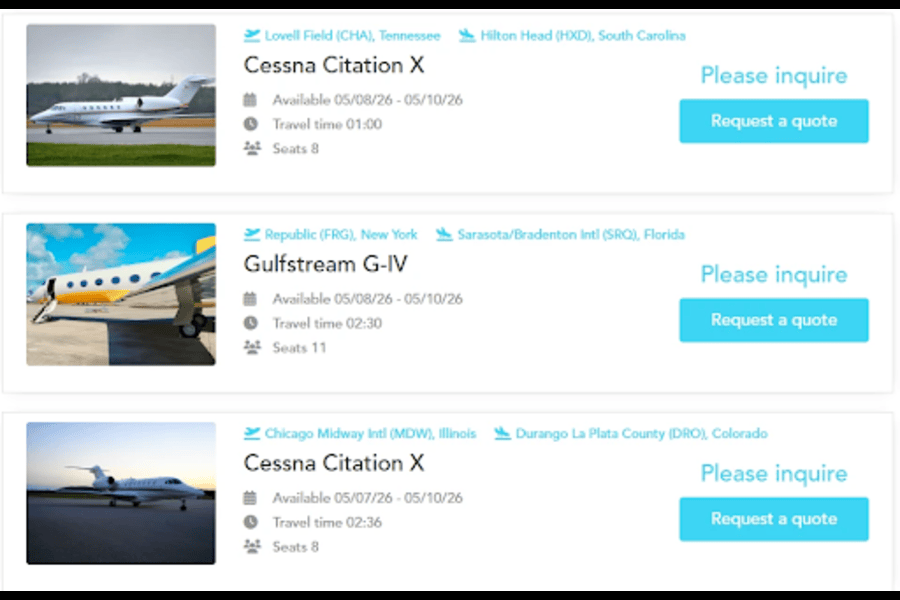
Technology has made jet card programs easier to use than ever before. Many providers now offer digital platforms where clients can book flights, track their remaining hours, and manage their accounts.
These tools improve transparency and make the entire experience more efficient. Behind the scenes, operators use data and analytics to manage fleets and ensure availability, which ultimately benefits the client.
Is a Jet Card Right for You?
Choosing a jet card depends largely on how often you fly and what you value most. If you prioritize convenience, predictable pricing, and consistent service, a jet card can be an excellent solution.
However, it is important to review the terms carefully and compare different providers. Not all programs are structured the same way, and small differences in pricing or policy can have a significant impact over time.
Private jet card programs offer a practical and efficient way to access private aviation. By combining flexibility with structure, they provide a solution that meets the needs of modern travelers who require both reliability and simplicity in their travel arrangements.