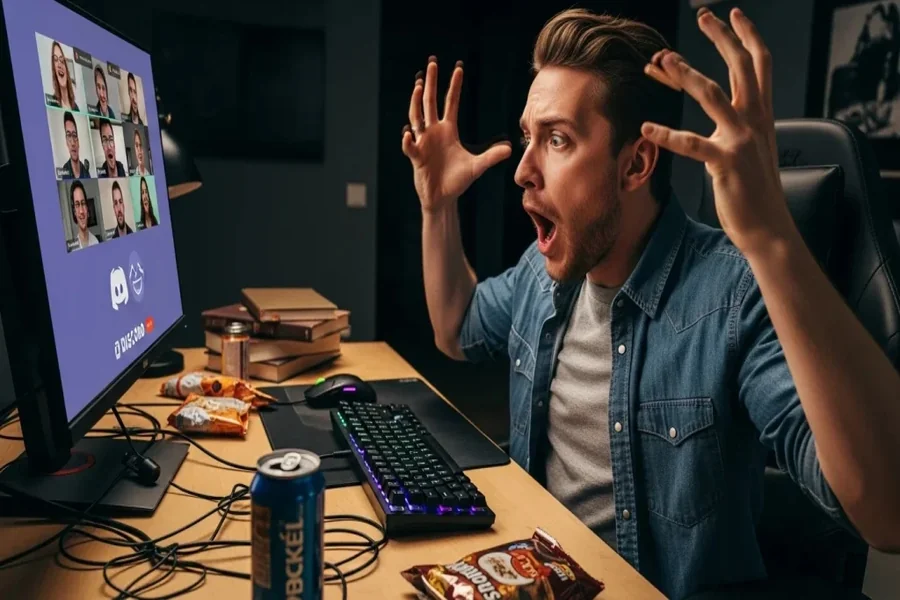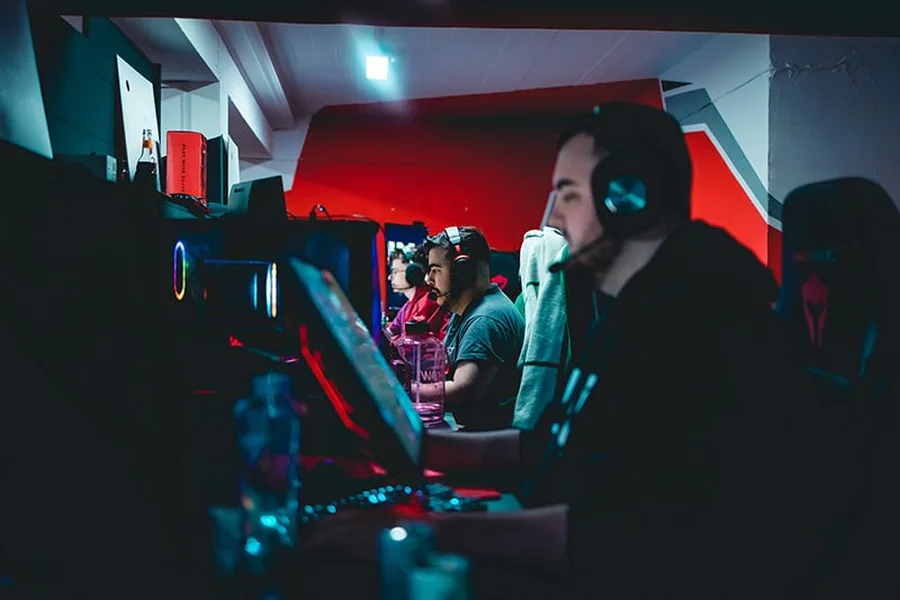

Something happens every time a major game drops. It’s not just the reviews and the speedrun videos and the memes. It’s a naming event. Within 48 hours of Donkey Kong Bananza hitting Switch 2 on July 17, 2025, Discord servers filled up with handles like `BananzaKing`, `SmashGrounds`, and `DKWrecksYou`. Group chats got renamed. WiFi networks got updated. Fantasy sports teams, Spotify playlists, and Twitch channel bios all shifted toward the same cultural gravity. This isn’t a coincidence. It’s a pattern, and it’s accelerating.
Contents
- 1 Game Launches Are Naming Events Now
- 2 Why Names Spread So Fast After a Drop
- 3 Three Layers of Naming That Games Actually Affect
- 4 The Remaster Effect Is Different From a New ReleaseThe Remaster Effect Is Different From a New Release
- 5 From Game Tags to Group Chat Names: The Same Logic Applies
- 6 FAQ
- 6.1 Why do game releases affect usernames so quickly?
- 6.2 Do remasters generate the same naming trends as new games?
- 6.3 How long do game-inspired naming trends last?
- 6.4 Does this only happen with major releases, or smaller indie games too?
- 6.5 What makes a game-inspired name actually funny versus just a reference?What makes a game-inspired name actually funny versus just a reference?
Game Launches Are Naming Events Now
The July 2025 release slate is a useful case study. Donkey Kong Bananza brought a classic Nintendo character back with a destructible-world mechanic that immediately spawned its own nickname vocabulary: “smash mode,” “barrel runs,” “ground bangs.” Tony Hawk’s Pro Skater 3+4 landed a week later and did something different. It revived a lexicon that had been dormant for almost 20 years. “SKATE” as a word. “Combo multiplier” as a concept. “Manual tap” as actual slang people started using to describe anything requiring precise timing.
This is the moment when names spread. Not when a game is announced. Not when it hits a trailer. When it’s actually in people’s hands, generating shared vocabulary in real time.
Local and regional outlets have started treating these release windows as genuine consumer culture events, not just entertainment coverage. Hudson reporter: https://hudsonreporter.com/ is a good example of how community journalism now tracks gaming releases the same way it would track a major retail opening or a local festival. As something that measurably changes how people in a given area are spending their time and, increasingly, their attention online.
Gambling involves risk. Please play responsibly and only wager what you can afford to lose. If gambling ever becomes a concern, visit BeGambleAware.org or call 1-800-GAMBLER.
Why Names Spread So Fast After a Drop
The mechanics are worth understanding. When a game releases to a large simultaneous audience, it creates a shared reference pool that didn’t exist 72 hours earlier. Every player who picks up Tony Hawk 3+4 encounters the same park layouts, the same trick names, the same score thresholds. That shared context is naming fuel.
Research from NetLingo tracks how each new game generation introduces terminology that spreads online faster than slang from almost any other cultural source. The mechanism is simple: gaming communities are large, they communicate constantly across platforms, and they have a strong in-group identity built around shared vocabulary.
A 2025 analysis from SlangWatch put a sharper number on it: 47% of Gen Z slang terms trace back to gaming culture, and gaming-born terms reach mainstream usage roughly 2.8 times faster than slang originating in other digital spaces. That’s not a soft cultural observation. That’s a measurable naming pipeline.
Three Layers of Naming That Games Actually Affect
It’s worth separating out where these influences land, because they don’t all work the same way.
Usernames and handles are the most direct layer. A player who just spent six hours destroying environments in Donkey Kong Bananza is very likely to incorporate that vocabulary into their next alt account or gaming tag. The name `BarrelRollKing` is showing up on Twitch right now. So is `ManualMasterHTPS` from the Tony Hawk crowd. These names are direct outputs of time spent inside a specific game world.
Group chats and server names move a step slower but carry the same cultural DNA. The pattern here is usually a week or two after a game drops, when friend groups have had enough shared play time to develop inside jokes. A Discord server for a friend group playing Donkey Kong Bananza together might start as `The DK Crew` and evolve into something more specific. `Smash the Terrain`, `Banana Bunker`, `NintendoSmashedUs`. These names have context that matters to the people inside them, which is exactly why they stick.
WiFi networks and public-facing handles are the funniest layer, because the naming is purely performational. Nobody needs their home WiFi to reference Killing Floor 3. They’re doing it to get a reaction from whoever sees the network list. This category is also where cultural saturation becomes visible. When you start seeing game-reference WiFi names six months after a release, you know the game has crossed from enthusiast territory into mainstream culture.
The Remaster Effect Is Different From a New ReleaseThe Remaster Effect Is Different From a New Release
Tony Hawk 3+4 deserves its own paragraph here because remasters generate a different kind of naming behavior than new titles do. New games introduce new vocabulary. Remasters resurface old vocabulary and remix it for a current audience.
People who were 14 when the original Tony Hawk’s Pro Skater 3 came out in 2001 are now in their late thirties. They have the nostalgia. But the 18-year-olds picking up 3+4 in July 2025 have zero memory of the originals. They’re encountering this vocabulary completely fresh. The result is two different generations using the same naming templates to mean slightly different things, and those templates cross-pollinating in group chats, Discord servers, and username fields across every platform where both groups coexist.
This is where ArenaNames-style funny name ideas get their texture. `900DegreesOfDad` lands differently than `SpineTransferActual`. One is pure nostalgia irony. The other is someone who learned the trick vocabulary from a 2025 tutorial and thinks it’s genuinely cool.
Both are legitimate. Both are funny. That’s the remaster naming effect in action.
From Game Tags to Group Chat Names: The Same Logic Applies
The cross-platform spread is worth emphasizing because people often think of gaming usernames as a separate category from, say, fantasy football team names or group chat handles. They’re not. They’re all drawing from the same cultural well.
The naming logic is identical: find a shared reference, twist it slightly, make it land as a joke or a statement for whoever sees it. A group chat full of people who just finished Donkey Kong Bananza together might call itself `BananzaRepublic` or `SmashAndGrabbers`. A fantasy football team drafted by someone playing Tony Hawk all weekend might end up as `900DegreePR` or `DropInDraft`.
The game provides the raw material. The naming instinct does the rest.
FAQ
Why do game releases affect usernames so quickly?
Major game releases create an immediate shared vocabulary among a large simultaneous audience. Within days, players across Discord, Twitch, and social platforms are referencing the same characters, mechanics, and moments. That shared context is exactly what drives username and group chat naming. People want handles that signal they were there from day one.
Do remasters generate the same naming trends as new games?
Yes, but differently. New titles introduce fresh vocabulary from scratch. Remasters layer nostalgia over existing terminology, which often produces funnier or more ironic names because two generations are using the same reference points with completely different intentions. Tony Hawk 3+4 is a good current example of this.
How long do game-inspired naming trends last?
The initial spike is sharp. Most game-inspired usernames and group chat names emerge within the first two weeks of a release. Broader cultural staying power depends on the title. Nintendo franchises and Tony Hawk-level icons tend to stay in the naming vocabulary for years. Mid-tier titles usually fade within a season.
Does this only happen with major releases, or smaller indie games too?
Both, but the scale differs significantly. A Nintendo or Activision release affects naming culture across every major platform simultaneously. Indie hits can generate equally intense naming waves within specific communities. Sometimes more creative ones. But they spread narrower and slower. Cult games sometimes generate the most durable naming templates precisely because the community is tight-knit.
What makes a game-inspired name actually funny versus just a reference?What makes a game-inspired name actually funny versus just a reference?
The twist. A straight reference (`DonkeyKongFan`) is just identification. A name that takes the reference and does something unexpected with it (`BananzaAccountant`, `TonyHawkTaxes`, `SMBKombat`) has the surprise layer that makes people actually laugh. The best game-inspired names borrow the vocabulary and then break the expectation of what you’d do with it.