
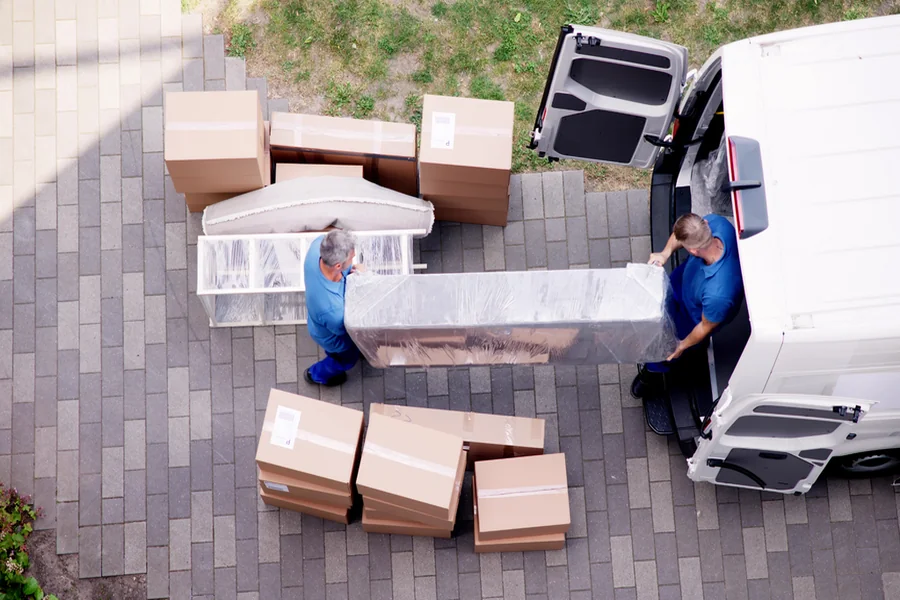
A long move gives your belongings more time to be dropped, delayed, mixed up, or, worst case, stolen. It’s not fun to think about, but it happens.
In a recent military PCS survey, “56% of respondents said their household goods were lost or damaged during their most recent move”. The upside? A few careful habits can save you money, stress, and a lot of “where did that box go?” panic.
Essential Precautions for Protecting Belongings During a Move
Longer moves create more handoffs, more waiting, and more room for mistakes. That’s why a simple protection plan should be part of the move from day one.
Think Prevention Before Price
Cheap boxes, thin tape, and bare-minimum coverage can feel like savings at first. But when you protect belongings during a move, you’re protecting your time, your memories, and your sanity.
Choose Coordinated Help Carefully
If your timeline is messy, a vetted mover offering long distance moving and storage can simplify things by keeping pickup, storage, and delivery under one plan. That kind of coordination matters when your items may sit between homes longer than expected.
Compare Protection Choices
| Protection choice | Best use | Watch-out |
| Digital inventory | Tracking boxes and claims | Must be updated during loading |
| Tamper-evident tape | Theft deterrence | Doesn’t replace supervision |
| Climate-controlled storage | Art, electronics, wood furniture | Confirm access rules first |
| Full-value coverage | Higher-value shipments | Read exclusions carefully |
Once you see how costly a mistake can be, prevention starts to look like a bargain.
Pre-Move Planning for Enhanced Security
Before a single box is taped shut, get your security plan in place. In the future you will be grateful, especially if a claim ever becomes necessary.
Build a Digital Inventory
Photograph furniture, electronics, tools, jewelry, and anything with a serial number. Store receipts, appraisals, and warranties in a cloud folder so they’re easy to find later.
Use Cameras While Packing
Doorbell cameras and smart cams can discourage strangers from wandering too close on packing day. They also show who came in and out while movers, helpers, or buyers were around.
Pick a Lower-Risk Moving Window
Try not to leave packed boxes sitting in a garage or driveway overnight. Daylight loading, with the truck parked close to the entrance, is usually safer.
After that, your next concern is the part that gets handled the most: packing.
Packing That Works: secure packing for moving
Good packing protects against rough handling and casual theft. Think sturdy, discreet, and easy to track.
Go Beyond Basic Boxes
Use double-wall boxes for heavy or fragile items. For documents, tools, and small electronics, consider tamper-evident tape, lockable bins, or GPS-tagged cases.
Label Without Oversharing
Don’t write “jewelry,” “camera gear,” or “gaming system” on the outside. Use a private code that matches your digital inventory instead.
Keep Essentials Separate
Passports, medicine, cash, titles, heirlooms, and small valuables should stay with you. Honestly, some things are just too important to send off in a truck.
Even excellent packing won’t help much if the wrong people handle your shipment.
Hiring Pros for long distance move protection
A strong plan for long distance move protection starts with careful hiring. The paperwork matters just as much as the price.
Vet Movers Before You Book
Check licensing, complaint history, written estimates, and real business details. The Federal Motor Carrier Safety Administration’s mover search tools help confirm interstate mover information.
Read Every Agreement
Nearly “47% said they would overpay if it meant they would have a disaster-free move”. Fair enough. Just make sure the contract clearly explains fees, timing, coverage, and claim steps before you pay more.
Understand Insurance Options
Release-value protection is basic and limited. Full-value protection or third-party insurance may be better for antiques, artwork, instruments, and irreplaceable family items.
Once movers and coverage are settled, focus on handoffs, truck stops, and storage gaps.
Practical best ways to prevent theft during move
The best ways to prevent theft during move situations are often simple. Limit who knows your plans, track what matters, and pay attention during loading.
Limit Schedule Exposure
Don’t post moving dates, truck photos, or empty-house updates online. Share timing only with people who truly need it.
Track What Matters Most
Bluetooth trackers are useful for priority boxes, even if they are not perfect in every truck or facility. They can still help confirm movement and spot strange delays.
Supervise High-Value Handling
Be present when valuable boxes are loaded and unloaded. If you notice retaped cartons, missing labels, or rushed inventory notes, stop and document it right away.
Once routines are tighter, technology can add another layer of visibility.
Tech Tools and Storage Choices for Moving Safety
Tech will not replace common sense, but it can support practical moving safety tips during long or delayed moves.
Use Smart Devices Wisely
AirTags, Tile trackers, portable alarms, and small cameras can help monitor boxes, vehicles, or storage areas. For privacy and legal reasons, tell your mover about tracking devices when needed.
Keep contracts, photos, inventory lists, claim notes, and delivery updates in one shared folder. It prevents the classic “wait, who has the paperwork?” problem.
Pick Safer Storage
Look for controlled access, cameras, alarms, clean units, and climate control for sensitive items. Pods are convenient, but traditional facilities may offer stronger monitoring and easier inspections.
Even then, delivery day is where your final protection step begins.
Post-Move Review and Recovery Steps
When everything arrives, don’t rush through the sign-off. A careful review can make or break a claim.
Check Inventory Before Signing
Compare box counts, labels, and condition notes before movers leave. Write down crushed cartons, broken seals, or missing items immediately.
Photograph Damage Fast
Take clear photos before unpacking, repairing, or tossing packaging. Damaged boxes may help support your claim.
File Claims Promptly
Follow the claim process exactly. Include photos, receipts, inventory notes, and any delivery-day documentation.
A fast check now can prevent weeks of frustration later.
Common Questions About Moving Security
Is it smarter to keep belongings in my pocket or bag for security?
Use a zipped bag instead of an open pocket. A front-worn crossbody bag is easier to watch and harder to grab.
What is the best action you can take to protect yourself and your belongings while traveling?
Stay alert in crowds, terminals, parking lots, and rest stops. Keep luggage in sight, avoid back-pocket storage, and never leave bags unattended.
How do I protect my belongings if my move is delayed?
Ask where items will be stored, who has access, and whether climate control is available. Update your inventory, confirm coverage dates, and keep essentials with you until final delivery is confirmed.
Final Thoughts on a Safer Extended Move
A safer move starts before packing day and continues after delivery. Build a photo inventory, use discreet labels, choose sturdy materials, vet movers, carry irreplaceable items yourself, and inspect everything quickly.
Good protection does not have to be complicated. It just needs to be consistent. With smart moving safety tips and steady habits for protecting belongings during a move, you can turn a stressful relocation into a much more controlled one.


Pingback: The True Cost of an Empty Truck: Why Fast Driver Placement Matters