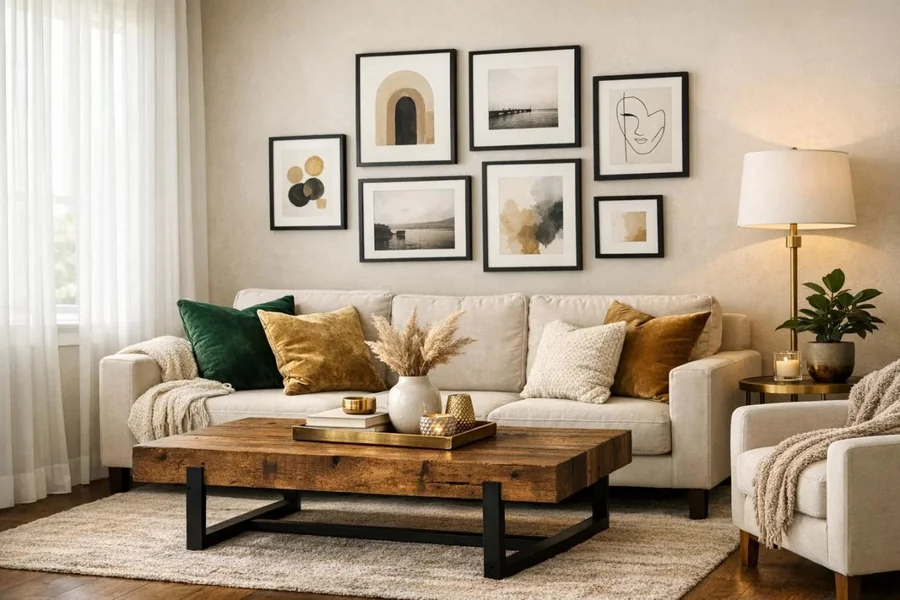
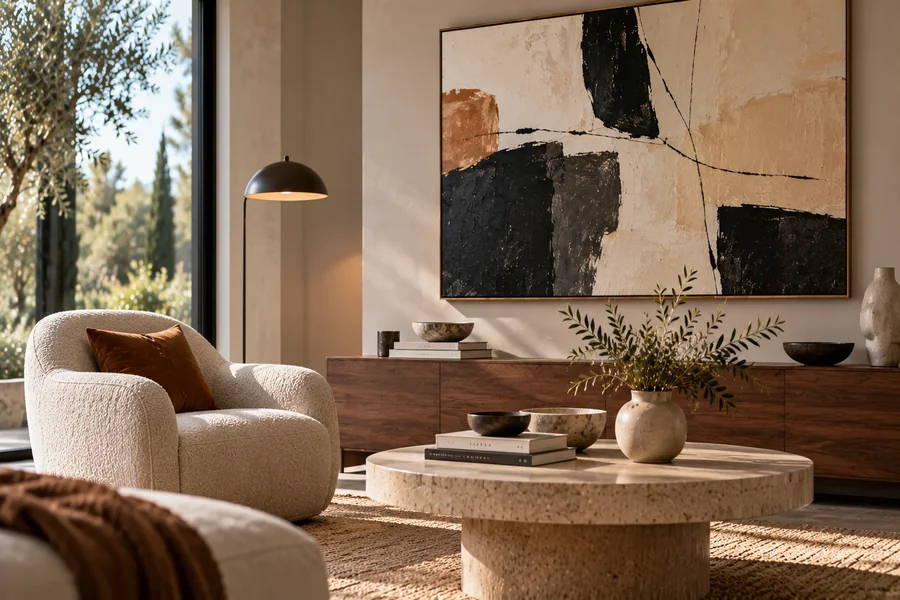
Personal style is not about owning the newest pieces or knowing every trend before it becomes popular. It is about understanding what feels right for you and making choices that reflect your preferences, lifestyle and personality. Trends can provide inspiration, but following all of them can make it difficult to develop a look that feels genuinely individual.
A strong personal style usually develops gradually. It can be seen in the clothes you choose, the way you arrange your home, the colours you are naturally drawn to and even the objects you keep around you. Instead of constantly replacing things to keep up with changing aesthetics, it can be more useful to identify the elements that consistently appeal to you.
Start by Understanding What You Actually Like
Developing personal style begins with observation. Think about the clothes, interiors, photographs, artworks and places that repeatedly attract your attention. There may be common elements connecting them, even if they initially seem unrelated.
You may notice that you prefer neutral colours, clean lines, natural materials or simple silhouettes. Someone else may consistently choose bold colours, unusual shapes or expressive patterns. Neither approach is more correct. The important part is recognising your own preferences rather than adopting someone else’s aesthetic simply because it is currently popular.
Creating a small collection of visual references can make these patterns easier to identify. Images, outfits, interiors or artworks that you genuinely like can reveal recurring colours, textures and forms that may eventually become part of your personal style.
Learn to Separate Trends From Long-Term Preferences
Trends are useful because they introduce new ideas. They can encourage people to experiment with colours, materials, silhouettes or creative approaches they might not otherwise consider. The problem begins when every new trend automatically becomes something you feel you need to own or incorporate.
Before adopting a trend, consider whether you actually like it or simply encounter it so often that it begins to feel familiar. Giving yourself time before making a purchase can help distinguish a temporary interest from something that genuinely fits your taste.
This does not mean avoiding trends completely. A personal style can include contemporary elements while still maintaining a consistent foundation. The difference is that trends become additions to your style rather than defining it entirely.
Build Around a Consistent Foundation
A personal aesthetic becomes easier to maintain when it has a few reliable elements. These might include a particular colour palette, preferred materials, recurring shapes or a general approach to simplicity and decoration.
For example, someone who prefers understated design might build around neutral colours, natural textures and clean forms. Another person might create a more expressive style using saturated colours, contrasting patterns and unusual decorative pieces.
Having a foundation does not mean that everything needs to match. In fact, a personal style can become more interesting when unexpected elements are introduced against a consistent background.
Use Art as an Expression of Individual Taste
Art is one of the easiest ways to introduce something personal into a space without changing the entire design. Unlike many practical household items, artwork can be chosen primarily because it creates a particular emotional or visual response.
Minimalist abstract art can work particularly well for people who appreciate simplicity but still want their surroundings to have character. Minimalist compositions can introduce shape, texture and carefully considered colour without overwhelming the rest of an interior.
A single artwork can also become a visual reference for other design decisions. Colours from a painting might appear in textiles or accessories, while its shapes or textures can influence the choice of furniture and materials.
The most important consideration is whether the work feels meaningful to you. A piece does not have to be fashionable or widely recognised to have a place in a personal collection.
Choose Quality and Meaning Over Quantity
Constantly changing decorative items can make it difficult for a space to develop a coherent identity. A more considered approach is to select fewer pieces and choose them carefully.
This principle can apply to both fashion and interiors. Instead of buying several items simply because they are currently popular, consider whether each one adds something distinctive or useful.
Personal belongings can also carry memories and associations. A photograph from a meaningful trip, a handmade object, a vintage piece or a work of art discovered at the right moment can contribute more to personal style than a collection of generic decorative items.
Allow Your Style to Change Naturally
Having a personal style does not mean keeping exactly the same preferences for years. People change, and their surroundings often change with them. What feels right at one stage of life may eventually be replaced by something different.
The goal is not to create a fixed visual identity that can never change. Instead, personal style can provide a foundation from which new interests can develop.
For example, someone who has always preferred simple interiors may gradually introduce stronger colours. Someone who once avoided artwork with complex compositions may eventually become interested in more expressive pieces. These changes do not necessarily mean that the original style has disappeared. They can simply represent its development.
Do Not Confuse Minimalism With a Lack of Personality
Minimalist spaces are sometimes associated with empty rooms, limited colours and a lack of decoration. In reality, minimalism can provide a strong foundation for personal expression because individual elements become more noticeable when there are fewer of them.
A carefully selected chair, distinctive lamp, unusual ceramic object or original artwork can become much more prominent in a restrained environment than it would in a room filled with competing decorations.
This is why simplicity does not have to mean impersonality. Removing unnecessary elements can actually make the remaining choices more meaningful.
Look Beyond Fashion and Interior Trends
Personal style can develop from many sources beyond current trends. Travel, architecture, nature, books, music, photography and everyday experiences can all influence aesthetic preferences.
Someone might discover a colour combination while travelling, become interested in a particular material after visiting an old building, or develop an appreciation for abstract forms through photography or contemporary art.
These influences are often more personal than simply following a trend seen repeatedly on social media. They give an aesthetic a story and make it easier to create choices that feel connected to individual experiences.
Simple Ways to Develop a More Personal Aesthetic
A few practical habits can make the process easier:
- Keep track of colours, shapes and materials that consistently attract your attention.
- Wait before buying something that is popular but does not immediately feel right for you.
- Choose artwork and decorative objects because you genuinely appreciate them rather than because they are currently fashionable.
- Keep a few reliable design elements that can act as the foundation of your style.
- Allow room for new interests instead of treating your personal style as something permanent.
Let Your Choices Tell a Story
The most convincing personal styles usually contain some connection to the person behind them. They are not necessarily perfectly coordinated, and they do not have to follow a recognisable aesthetic category.
A home, wardrobe or collection can contain different influences while still feeling coherent because the choices reflect genuine preferences. A modern interior can include an older piece of furniture. A simple wardrobe can contain one dramatic statement item. A neutral room can feature an artwork with a strong visual presence.
These combinations can make a style feel more authentic because they show how different interests have developed over time.
Personal Style Is About Choice, Not Rules
There is no universal formula for creating a personal style. Trends will continue to change, new aesthetics will appear and social media will continue to introduce people to different ways of dressing, decorating and expressing themselves.
The useful approach is to treat these influences as a source of ideas rather than instructions. Keep what genuinely appeals to you, adapt it to your circumstances and leave behind anything that does not feel natural.
Personal style becomes stronger when choices are made deliberately. Whether the subject is clothing, interior design or art, the goal is not to create a space or appearance that looks exactly like someone else’s. It is to develop a combination of elements that feels comfortable, distinctive and relevant to your own life.