
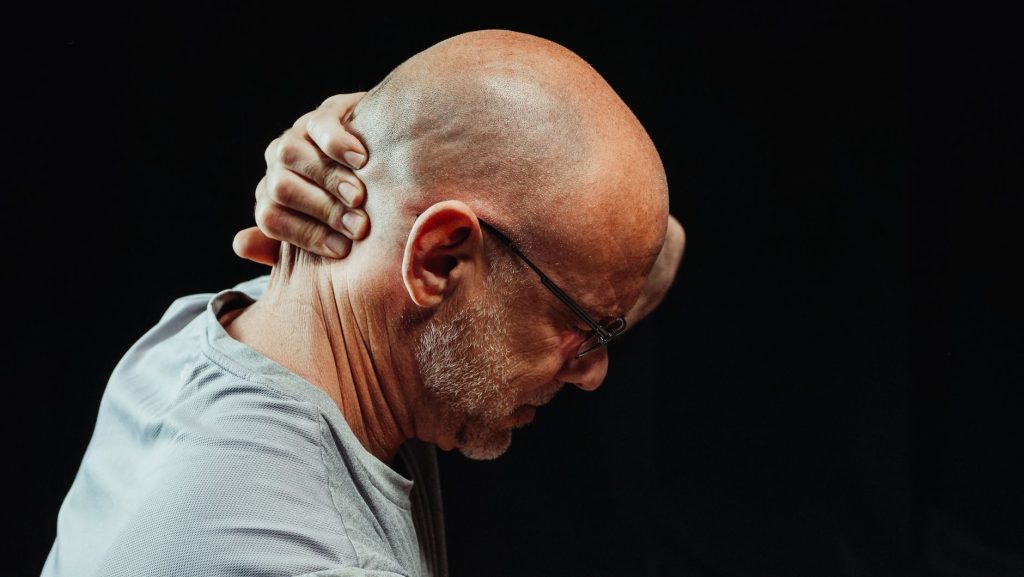
If you spend your day hunched over a laptop, scrolling on your phone, or sitting at a desk with your shoulders creeping up towards your ears, there’s a decent chance your posture is contributing to those headaches you keep getting. It’s a connection a lot of people don’t think about until someone points it out, but the neck and the head are more closely linked than most realise.
The medical term for this is cervicogenic headache, meaning a headache that originates from the neck rather than the head itself. Unlike migraines, which often come with nausea and sensitivity to light, cervicogenic headaches tend to start at the base of the skull and spread forward, sometimes wrapping around to one side of the head or settling behind the eyes.
How Posture Plays a Role
When you tilt your head forward to look at a screen, the muscles at the back of your neck have to work much harder to hold your head up. For every few centimetres your head moves forward from its neutral position, the effective weight your neck muscles are supporting increases significantly. Over hours and days and years, this constant strain tightens the muscles at the base of the skull, compresses nerves, and can lead to the kind of dull, nagging headache that seems to show up every afternoon.
This is sometimes called “text neck” or “tech neck,” and it’s become more common as more people work from laptops and spend hours each day looking down at phones. Desk workers, students, and anyone who drives long distances are particularly prone to it.
Signs Your Posture Might Be the Culprit
- Headaches that start at the back of the skull or neck
- Pain that worsens after long periods at a desk or on your phone
- Stiffness or reduced range of motion in the neck
- Shoulders that feel tight or rounded forward
- Headaches that ease slightly after stretching or moving around
What Can Help
Simple changes to your workspace can make a real difference. Raising your monitor to eye level, taking regular breaks to stand and stretch, and being mindful of how you hold your phone can all reduce the strain on your neck over time. Strengthening the muscles between the shoulder blades also helps counteract the forward pull that causes rounded shoulders.
For people already dealing with chronic tension or pain, manual therapy is often recommended alongside these lifestyle changes. A guide to chiropractic clinics in the Hurstville and St George region can be a useful starting point if you’re trying to figure out where to go locally for an assessment, since many practitioners in the area specifically treat posture related neck and headache issues using spinal adjustments, soft tissue work, and postural advice. The A guide to chiropractic clinics in the Hurstville and St George region can help you understand what to expect from your first visit.
When to See Someone
Occasional tension headaches after a long day aren’t usually cause for alarm, but if headaches are becoming frequent, interfering with sleep or work, or you’re also noticing numbness or tingling in your arms, it’s worth getting checked out properly rather than just reaching for painkillers each time. The NHS notes that chiropractic treatment is sometimes used to help with headaches related to the neck, alongside other approaches such as physiotherapy, and a proper assessment can help rule out other causes before starting any treatment plan.
Fixing posture isn’t an overnight job, but small, consistent adjustments to how you sit, stand, and look at your screens can genuinely reduce how often these headaches show up.