When analyzing cannabis resin, you can consider its potency, texture, smell, or looks. However, such attributes may change prior to extraction itself. Cannabis that is old or not well maintained can tend to lose some of its volatile compounds and natural properties with time. That modification can influence the properties you want of the finished resin.
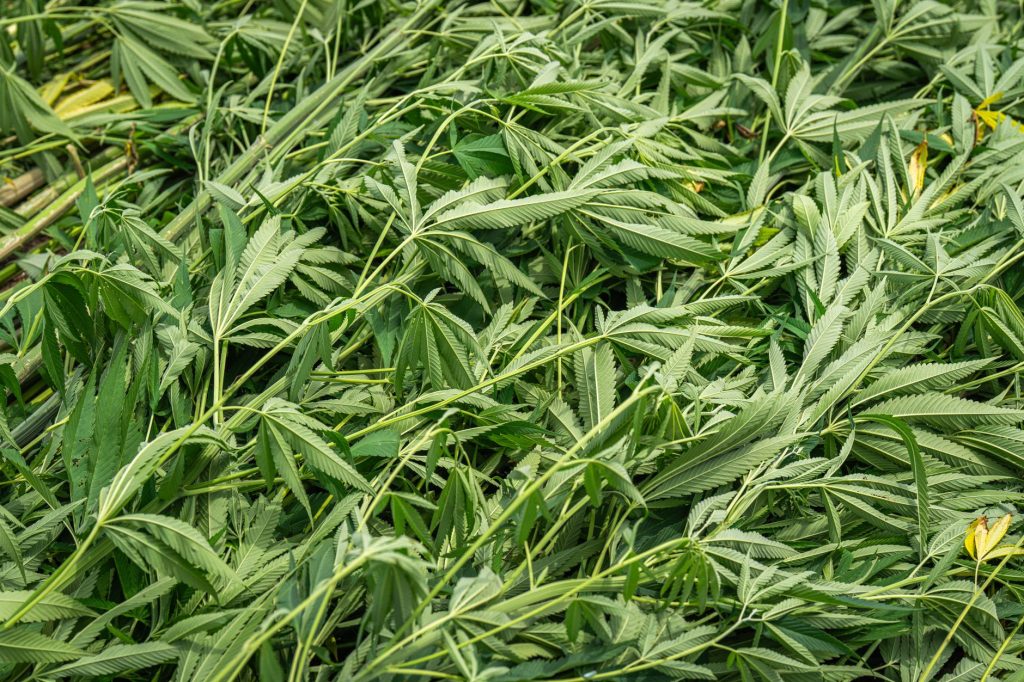
The fresh material provides a better starting point as the trichomes, cannabinoids, and aromatic compounds have undergone less degradation. But freshness does not guarantee a good quality output. The timing of harvest, moisture, handling, and storage conditions also affect the preservation of those compounds.
This association can guide you to evaluate resin products more judiciously and understand why new starting material is important.
The quality of resin can be influenced by freshness, as it contributes to the preservation of important compounds prior to extraction. The following six factors explain how this starting condition can affect the final product.
1. Preserves Cannabinoids and Terpenes During Extraction
The fresh cannabis material can preserve more of its natural cannabinoids and terpenes until extraction. These compounds contribute to the aroma, flavor, and overall profile of resin. However, heat, light, oxygen, and prolonged storage can cause some compounds to change or break down. Proper handling between harvest and extraction can therefore help protect these qualities.
Freshness can also affect the characteristics retained in different resin formats. Badder, for example, is whipped during processing into a soft, opaque texture — a process that can further expose the material to air and heat, making the quality of the starting flower especially important to how the final product turns out. Goldiez Badder Live Resin 28 grams reflects this connection between fresh starting material and the final badder texture and flavor. Still, freshness alone does not determine quality — genetics, harvest timing, storage, and processing also shape the final result.
2. Retains Fresher Trichomes for Resin Production
Trichomes contain many of the cannabinoids and terpenes that contribute to cannabis resin. Their condition can therefore affect the quality of the final concentrate. Fresh plant material helps keep these structures closer to their original state before processing.
Nevertheless, excessive handling, heat, drying, and long storage can damage trichomes or change their contents.
The time between harvest and processing also matters. Careful handling can help preserve the plant’s chemical profile during this stage. Still, freshness is only one factor.
Genetics, cultivation methods, harvest timing, and processing techniques also influence trichome development and preservation. Together, these factors can shape the characteristics of the resulting resin.
3. Protects Aromatic Compounds from Degradation
Aroma can give you an early indication of a resin’s characteristics because terpenes contribute much of its natural scent. Fresh cannabis material can help preserve these volatile compounds before extraction.
However, exposure to heat, light, oxygen, and prolonged storage may cause some terpenes to change or dissipate. This can affect the aroma of the finished resin.
The effect is especially relevant to live resin-style products, which aim to preserve more of the plant’s original characteristics. Still, aroma alone does not determine quality.
You should also consider laboratory results, product details, storage conditions, and other available information. Looking at these factors together gives you a clearer picture of resin quality.
4. Maintains Moisture for Better Resin Consistency
Fresh cannabis material naturally contains more moisture than fully dried material. That difference can influence how plant compounds are preserved and how the material behaves before processing.
For resin production, the condition of the starting material needs to remain consistent. Excessive drying can alter the plant’s physical structure and may contribute to the loss of some volatile compounds. On the other hand, uncontrolled moisture can create its own quality concerns, particularly when material is stored improperly.
The key is not simply having as much moisture as possible. Instead, the starting material needs to be maintained under suitable conditions that protect its chemical and physical characteristics.
This distinction matters because “fresh” does not mean that material can be handled without care. Temperature, exposure to air, light, and storage duration all influence its condition.
Therefore, when considering resin quality, look beyond the word fresh. Consider whether the material was properly preserved and whether the final product has supporting quality information. These details provide more useful insight than freshness alone.
5. Reduces Compound Loss Before Extraction
Every stage between harvest and extraction can influence the compounds eventually represented in resin. If cannabis material spends too much time under unsuitable conditions, some of its original characteristics may change before processing even starts.
Fresh material reduces the amount of time available for this type of degradation. That can help preserve cannabinoids and terpenes closer to their original state. In turn, extraction begins with material that may better represent the plant’s initial chemical profile.
This is one reason handling becomes particularly important. Physical agitation, repeated exposure to air, heat, and light can all affect delicate plant compounds. Even when the material initially has strong genetic potential, poor handling can reduce the quality of what reaches the extraction stage.
However, freshness cannot compensate for weak cultivation or inconsistent processing. Genetics, plant maturity, trichome development, and extraction methods all contribute to the finished result.
A better approach is to consider the entire chain. Fresh starting material provides an advantage, but that advantage needs to be protected through appropriate handling and processing.
6. Supports Better Flavor, Aroma, and Overall Quality
The combined effect of freshness becomes most noticeable when you consider several quality characteristics together. Cannabinoid preservation, terpene retention, trichome condition, and controlled handling can all influence the final resin’s profile.
When more of the plant’s original compounds remain intact, the finished product has a better opportunity to reflect those characteristics. This can influence aroma, flavor, appearance, texture, and overall consistency.
Nevertheless, you should avoid treating any single characteristic as proof of quality. For example, attractive texture does not necessarily indicate strong terpene preservation. Likewise, a noticeable aroma does not provide complete information about cannabinoid content or laboratory results.
Instead, look at several factors together. Product descriptions can explain the format and intended characteristics, while laboratory testing can provide more objective information about the product's chemical profile. A Certificate of Analysis can also help you assess available testing data.
The product page used as an example here identifies its concentrate as lab-tested hemp and provides a Certificate of Analysis section, showing how testing information can complement product descriptions when evaluating resin.
Conclusion
Fresh cannabis material can influence resin quality because it provides a better opportunity to preserve cannabinoids, terpenes, trichomes, and other plant characteristics before processing. However, freshness works alongside other factors rather than replacing them. Harvest timing, handling, storage, genetics, and processing can all affect the final result.
When assessing resin, look at the complete picture instead of relying on freshness alone. Consider the product format, available testing information, aroma, texture, and stated characteristics. This approach gives you a clearer understanding of what may contribute to quality and helps you make more informed comparisons between different resin products.