
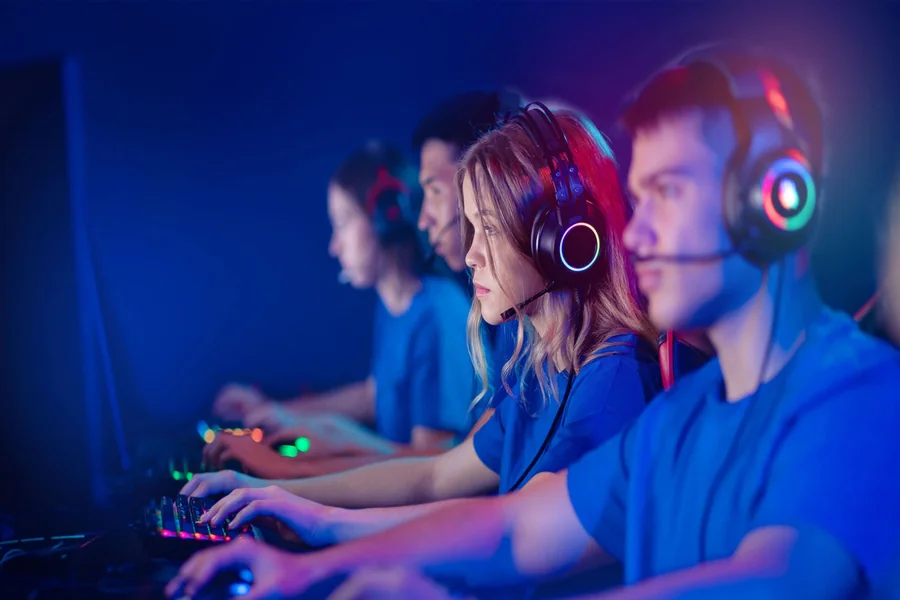
Online gaming has become more than just a way to spend free time. It brings people together, creates opportunities to build friendships, and teaches valuable skills that can be useful in everyday life. One of the most important benefits of online gaming is how it encourages teamwork and communication. Whether players are competing in multiplayer shooters, participating in strategy games, or completing missions in cooperative adventures, success often depends on how well they work together.
Unlike single-player games, multiplayer experiences require players to interact, exchange information, and support one another. Everyone may have a different role, but the team needs to work toward the same objective. These experiences help players understand the importance of cooperation, patience, and clear communication.
Online Gaming Teaches Players to Work Together
Teamwork is an essential part of many online PG SLOT games. Players often need to combine their individual abilities to complete objectives, defeat opponents, or overcome difficult challenges. A single player may have excellent skills, but that does not always guarantee success if the rest of the team is not working together.
For example, in team-based shooting games, one player might focus on defending an area while another provides support or moves toward the objective. Each role contributes to the overall strategy. Players quickly learn that individual performance is important, but supporting teammates can make an even bigger difference.
This experience teaches players to recognize the strengths of others and understand how different contributions can lead to better results. Over time, they become more comfortable sharing responsibilities instead of trying to handle everything alone.
Communication Becomes Essential for Success
Clear communication can often determine whether a team wins or loses. Online multiplayer games encourage players to share information quickly, especially when situations change unexpectedly. Voice chat, text messages, and in-game signals allow teammates to coordinate their actions.
In competitive games, even a small piece of information can be valuable. Letting teammates know about an opponent’s location, warning them about danger, or explaining the next move can help the entire team make better decisions.
Games such as Valorant, Counter-Strike 2, and Fortnite demonstrate how important communication can be during competitive matches. Players need to provide useful updates without creating unnecessary distractions.
These situations also teach players to communicate clearly and listen carefully. Instead of speaking without considering others, successful teammates learn to share relevant information at the right moment. Such habits can be useful in classrooms, workplaces, and other social environments.
Multiplayer Games Help Build Trust and Responsibility
Trust is another important part of successful teamwork. Players need to depend on their teammates to complete assigned roles and support the group when challenges arise. Without trust, even a team with highly skilled individuals can struggle to achieve its goals.
Online gaming provides regular opportunities to develop this quality. When players understand that everyone is contributing to the same objective, they become more willing to rely on one another.
Responsibility also plays a major role. If someone agrees to defend a particular position or support another player, they need to follow through with that commitment. Ignoring assigned responsibilities can affect the entire team.
These experiences help players understand that their decisions can influence other people. They gradually learn to become more dependable, respect team agreements, and take responsibility for their actions.
Online Gaming Encourages Problem-Solving and Leadership
Not every multiplayer match goes according to plan. Teams regularly face unexpected situations, difficult opponents, and mistakes that require quick decisions. Players must discuss possible solutions, adjust their strategies, and find ways to move forward.
This makes online gaming an interesting environment for developing problem-solving skills. Instead of giving up when a strategy fails, players can review what happened and try a different approach.
Leadership can also develop naturally during these experiences. Some players take responsibility for organizing the team, explaining strategies, or helping less experienced members understand their roles. Good leadership is not always about giving instructions. It also involves listening, encouraging others, and making decisions that benefit the group.
Players who regularly participate in cooperative games may become more comfortable taking initiative and helping others during challenging situations.
Final Thought
Online gaming offers more than entertainment when players participate in meaningful multiplayer experiences. It creates opportunities to develop teamwork, communication, trust, responsibility, leadership, and problem-solving abilities.
Although winning can be exciting, the experience of working together is often just as valuable. Players learn that success does not always depend on individual talent but also on how effectively people cooperate and support one another.
These lessons can extend beyond the gaming environment. The ability to communicate clearly, respect different opinions, and work toward shared goals is useful in education, professional life, and everyday relationships. When enjoyed responsibly, online gaming can be an engaging way to strengthen social skills while having fun.