By early summer, many Australian properties are littered with branches from spring storms and the prunings from a winter of cleanup, and a heap of dry wood beside the house is a fire hazard waiting for the first hot day. A wood chipper turns that pile into mulch that can be spread on garden beds, which cuts the fire load and returns the nutrients to the soil. This guide explains how a petrol wood chipper works and how to use it safely.
How the Machine Chips Wood
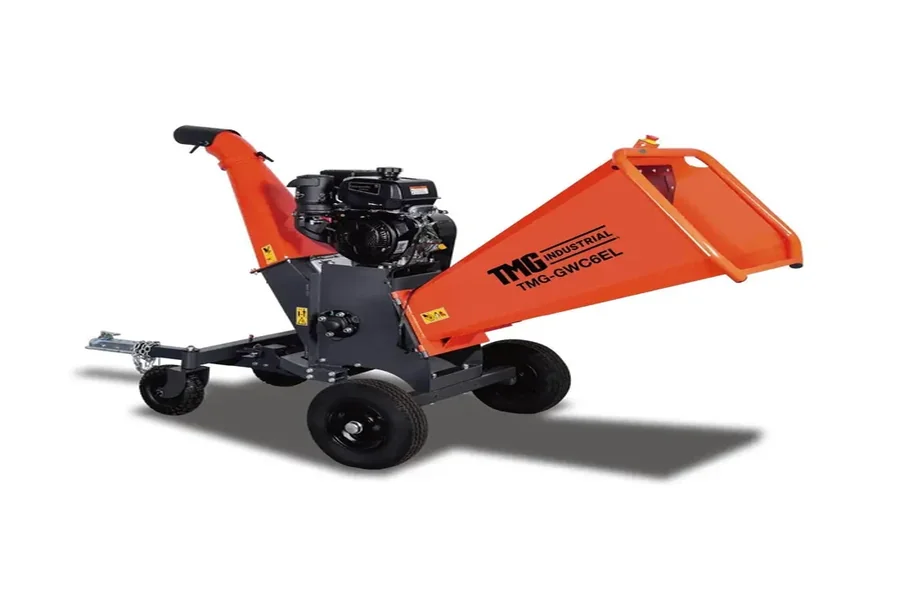
Branches are fed into a hopper and drawn toward a spinning flywheel carrying sharp blades. The blades slice the wood into small pieces, which are thrown out through a chute. A petrol engine drives the flywheel, usually through a belt and clutch. Because the flywheel carries a lot of weight, it keeps spinning with momentum, which helps it chew through thicker branches.
Preparing the Pile
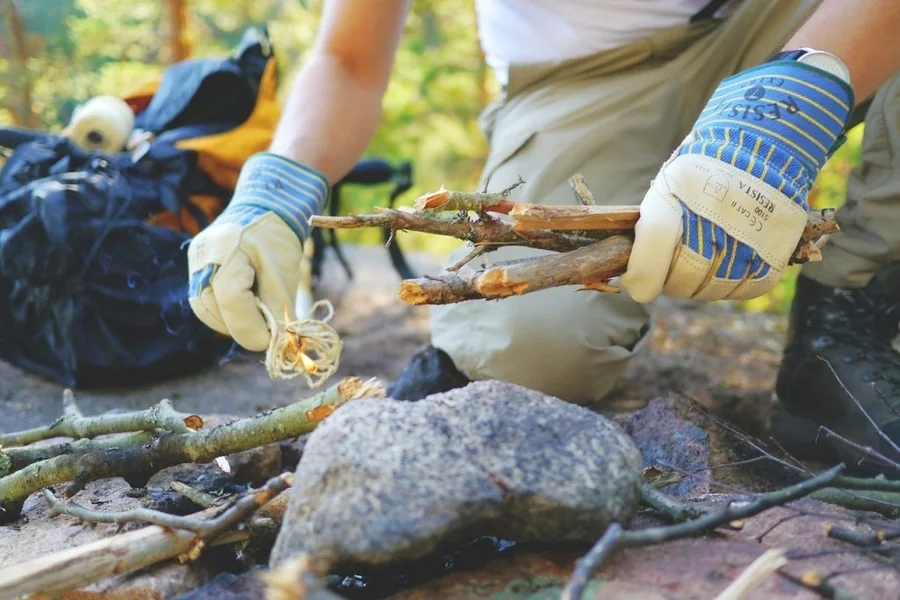
Sort the heap before chipping. Separate green, leafy material from dry wood, remove nails, wire, stones, and soil from the branches, and cut long limbs into manageable lengths. A petrol wood chipper works best when the material is fed in a steady stream, so lay the branches in rows with the butt ends toward the machine. Wet or very stringy material, such as palm fronds or vines, can wrap around the rotor and cause blockages.
Matching Chipper Size to the Branches
Every chipper has a stated capacity, the largest branch diameter it can handle. A larger unit chips thicker wood but is heavier and costs more to run. A tow-behind machine designed for an ATV or UTV can be moved around an acreage, which suits a property with scattered piles. Feeding wood thicker than the stated capacity damages the blades and can stall the engine, so cut the biggest limbs with a saw.
Blades, Belts, and Noise
A dull blade tears instead of cutting, which strains the engine and produces ragged chips. Check the blade edges before each session and replace or sharpen them as a set so the flywheel stays balanced. Inspect the drive belt for wear and keep it correctly tensioned. Chippers are loud, so wear hearing protection and think about neighbours when choosing the time of day.
Chipper Shredder or Branch Chipper
A chipper shredder combines a chipping chute for branches with a second hopper for leaves and small material. A branch chipper focuses on woody material only. A combined machine is handy where leaf litter and prunings pile up together, while a dedicated chipper is simpler and often more robust for hardwood. Think about what your property produces before choosing.
Hazard Reduction and Fire Rules
Clearing dead wood and dry litter close to buildings is a recognised way to reduce fire risk, and many councils and fire authorities publish guidance for the season. On days of high fire danger, rules often restrict the use of engine-driven machinery outdoors, so check the local rules before starting. Run the chipper early when it is cool, and never use it on a total fire ban day.
Feeding Safely
Feed branches butt end first, and let the machine pull the wood in rather than pushing hard. Stand to the side of the feed opening, never directly in line with it, and never reach into the hopper. Avoid loose clothing, gloves with loose cuffs, and jewellery. Wear eye protection, hearing protection, and sturdy boots, because the machine is loud and throws chips.
Storing Chips and Fire Risk
A big heap of fresh chips can heat up as it breaks down, and in rare cases it can ignite on its own. Spread chips in a layer on the garden rather than piling them high, keep heaps well away from buildings, and turn them to let heat escape. Dry chips also burn readily in a bushfire, so avoid stacking mulch against walls, decks, or fences.
Using the Mulch
Fresh chips make a good mulch for garden beds, paths, and around trees, but keep a gap around trunks and plant stems so the mulch does not hold moisture against the bark. A layer of a few centimetres suppresses weeds and keeps soil cooler in summer. Chips from some species can be slow to break down, so mixing types helps.
Looking After the Machine
Keep the blades sharp, since a dull blade tears wood and works the engine harder. Check the oil and air filter, clear chip buildup, and grease moving parts as the manual advises. Switch off and let the flywheel stop completely before touching the blades or clearing a jam. Keep a log of running hours and blade changes, and keep spare blades and belts on hand so a breakdown does not interrupt the job. Always wear gloves and eye protection when handling blades, because even a dull one can cut deeply. Owners who tidy a property before summer often look at the wider range of industrial equipment for land clearing and workshops, so one tidy-up covers every job.