
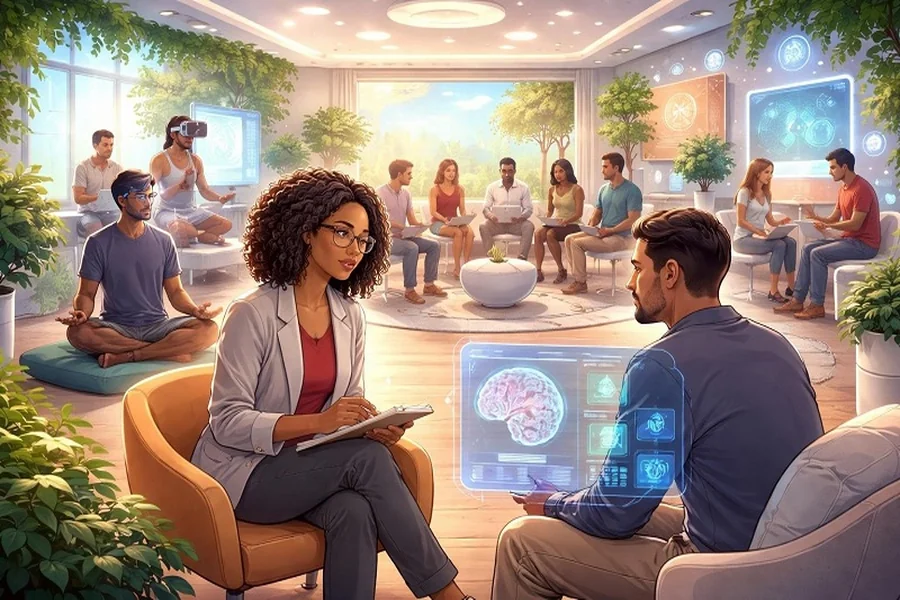
Mental health care is experiencing a significant shift as new approaches and technologies emerge alongside traditional therapeutic methods. Personalized interventions, digital therapeutics, and advanced treatment modalities are transforming how individuals access and receive mental health support in 2026. These innovations address long-standing challenges in the field, including provider shortages and the need for more tailored care options.
The landscape now includes evidence-based digital solutions, novel therapeutic approaches for treatment-resistant conditions, and technology-enabled platforms that expand access to underserved communities. Researchers and mental health professionals are exploring methods that move beyond standard protocols to address persistent challenges with greater precision. This evolution reflects a growing recognition that mental health deserves the same attention and innovation as physical health care.
Understanding these emerging solutions helps individuals, providers, and organizations navigate an expanding range of options. The following sections examine specific innovations gaining traction and explore how emerging technologies and practices are reshaping mental health care delivery.
Key Innovative Mental Health Solutions Gaining Attention
Mental health care is experiencing significant transformation through digital platforms, artificial intelligence, telehealth services, and immersive technologies that make treatment more accessible and personalized. These innovations are expanding the reach of mental health support while introducing new methods for diagnosis, treatment, and ongoing care.
Digital Mental Health Platforms and Apps
Digital mental health platforms have become mainstream tools for managing stress, anxiety, and depression. Applications like Headspace and Calm focus on meditation and mindfulness practices, while platforms such as Wysa and Woebot use conversational AI to provide immediate support and therapeutic exercises.
Smartphone applications now offer evidence-based interventions including cognitive behavioral therapy (CBT) techniques, mood tracking, and guided journaling. These digital mental health tools allow users to access support at any time, removing traditional barriers like scheduling conflicts and geographic limitations.
Many platforms combine multiple approaches. Some integrate art therapy exercises, breathing techniques, and sleep improvement programs within a single interface. The convenience and anonymity of these tools appeal to individuals who might hesitate to seek traditional therapy.
Research continues to validate the effectiveness of these digital interventions. Mental health apps are increasingly designed with clinical input to ensure they provide meaningful support rather than superficial wellness content.
Personalized and AI-Powered Care
AI-powered mental health solutions are enabling personalized treatment plans based on individual symptoms, behaviors, and responses to interventions. Machine learning algorithms analyze user data to identify patterns and suggest tailored coping strategies.
Personalized mental health care extends beyond generic advice. AI systems can detect subtle changes in mood, language patterns, and engagement levels to adjust recommendations in real-time. This adaptive approach mirrors the responsiveness of human therapists while offering continuous availability.
Digital mental health platforms now use AI to match individuals with appropriate therapeutic approaches. Some systems assess user preferences, severity of symptoms, and treatment history to recommend specific interventions or therapeutic modalities.
The technology also supports clinicians by providing data-driven insights about patient progress. Mental health professionals can review aggregated information from digital mental health tools to inform their treatment decisions and track outcomes more effectively.
Virtual Therapy and Telehealth Advancements
Virtual therapy has evolved from emergency alternative to established treatment option. Platforms like BetterHelp and Talkspace connect users with licensed therapists through video calls, messaging, and phone sessions, making professional support accessible regardless of location.
Telehealth for mental health addresses critical access gaps. Individuals in rural areas, those with mobility limitations, and people with demanding schedules can now receive consistent care. The format also reduces the stigma some people associate with visiting a therapist’s office.
Teletherapy platforms offer various communication methods to suit different preferences. Some users prefer live video sessions that replicate in-person appointments, while others benefit from asynchronous messaging that allows them to process thoughts before responding.
Insurance coverage for online therapy has expanded, making these services more financially accessible. Many telehealth platforms also provide pricing options for those without insurance, including subscription models and pay-per-session arrangements.
Immersive and Wearable Technologies Enhancing Mental Wellness
Virtual reality applications are being developed to treat specific mental health conditions through controlled exposure therapy and immersive relaxation environments. VR technology allows therapists to create customized scenarios for treating phobias, PTSD, and anxiety disorders in safe, controlled settings.
Wearable devices now monitor physiological indicators of stress and mental state. These technologies track heart rate variability, sleep patterns, and activity levels to provide insights into emotional well-being and alert users to potential mental health concerns.
Mental health technology increasingly combines biometric data with therapeutic interventions. Some systems detect elevated stress levels and prompt users to engage in breathing exercises or mindfulness practices at critical moments.
The integration of wearables with digital mental health platforms creates comprehensive monitoring systems. Data from multiple sources provides a fuller picture of mental health status, enabling more informed decisions about treatment adjustments and self-care strategies.
Emerging Technologies and Practices Shaping the Future
Advanced technologies are transforming mental health care through virtual reality applications, continuous physiological monitoring, and data-driven diagnostic tools. These innovations enable more personalized treatment approaches and real-time intervention capabilities that were previously unavailable.
Virtual Reality and Immersive Therapies
Virtual reality therapy uses computer-generated environments to treat various mental health conditions in controlled, repeatable settings. VR therapy has shown particular effectiveness for exposure therapy in treating posttraumatic stress disorder and anxiety treatment, allowing patients to confront challenging situations gradually.
Immersive therapy environments can simulate specific scenarios that trigger symptoms, such as crowded spaces for social anxiety or combat situations for veterans with PTSD. Clinicians control the intensity and duration of exposures while monitoring patient responses in real-time. This approach offers advantages over traditional exposure therapy by providing consistent scenarios that patients can practice repeatedly without logistical constraints.
Research demonstrates that virtual reality applications can reduce symptom severity and improve mental health outcomes. The technology allows therapists to customize experiences based on individual patient needs and track progress through multiple sessions.
Wearable Devices and Biomarker Monitoring
Wearable devices like Fitbit and Apple Watch now include features for mental health monitoring through continuous tracking of physiological biomarkers. These devices measure heart rate variability, sleep patterns, activity levels, and stress indicators throughout daily life.
Biosensors embedded in wearable technology provide objective data about physiological states associated with mental health conditions. This continuous monitoring enables earlier detection of symptom patterns and potential crisis points. Patients and clinicians can identify triggers, track treatment effectiveness, and adjust interventions based on quantifiable metrics rather than relying solely on subjective self-reports.
The data collected supports personalized treatment planning and helps build mental resilience through awareness of physiological responses to stressors.
Neurofeedback, Digital Therapeutics, and New Diagnostic Tools
Neurofeedback training teaches individuals to regulate brain activity patterns associated with specific mental health conditions. Patients receive real-time feedback about their brain waves and learn techniques to modify these patterns, potentially reducing symptoms of anxiety, depression, and attention disorders.
Digital therapeutics represent evidence-based interventions delivered through software programs and applications. These tools provide structured treatment protocols, cognitive behavioral therapy exercises, and skill-building activities accessible through smartphones and computers. Unlike general wellness apps, digital therapeutics undergo clinical validation and regulatory review.
Mental health diagnostics are advancing through machine learning algorithms that analyze speech patterns, facial expressions, and behavioral data to identify early signs of conditions. These tools supplement traditional assessment methods and may improve diagnostic accuracy when combined with clinical expertise.