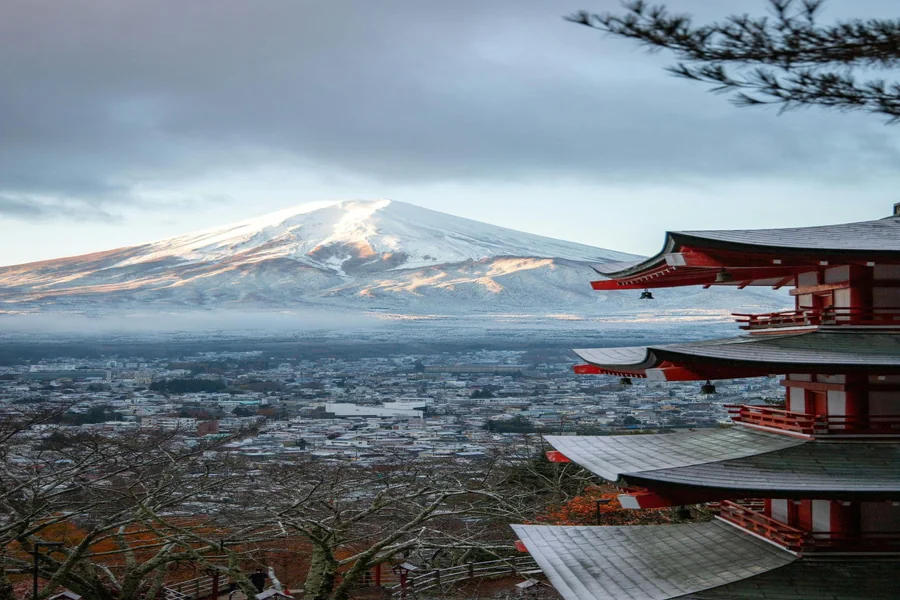
Japan is a country full of surprises—bustling cities, peaceful temples, stunning mountains, and vibrant festivals. But planning a trip can feel overwhelming if you’re not sure when or where to go. The best experiences often depend on the season and the region you visit, from cherry blossoms in spring to snow festivals in winter. Whether you’re chasing cultural sights, natural beauty, or delicious food, knowing what each season offers makes all the difference. In this guide, we’ll walk you through Japan’s regions and seasons, helping you plan a trip that’s perfectly timed, unforgettable, and full of adventure.
How Japan’s Seasons Really Work
Here’s the thing about Japan—the seasons don’t just change the weather. They completely remake the experience. Understanding this matters way more than you’d think.
Spring and Summer: When Everyone Shows Up
Spring means cherry blossom chaos, and summer brings sticky heat plus amazing festivals. Get this: nearly 36.9 million people visited Japan in 2024—that’s 5 million more than the 2019 record .What does that mean for you? Traveling in Japan during these peak windows requires booking months out. We’re not exaggerating. Months.
Cherry blossoms roll from late March in southern Kyushu all the way to mid-May up in Hokkaido. Summer hits you with the rainy season (they call it tsuyu) in June, then July and August pack in festivals back-to-back. Can you handle crowds and pay extra for everything? Then these seasons deliver those Instagram moments everyone’s chasing. Peaceful and quiet? Not so much.
Autumn and Winter: The Underrated Champions
Talk to anyone who’s been to Japan multiple times, and they’ll tell you—autumn might just be perfect. Comfortable temps, gorgeous leaves turning color, and way fewer tourists elbowing you out of photos. Winter flips the northern parts into snowy paradise, ideal for hitting the slopes or soaking in outdoor hot springs while snowflakes fall.
Modern tech makes any season workable now. Grab an esim for japan and you’ll have a constant connection for checking real-time cherry blossom forecasts, festival dates, and Google Maps without begging cafes for WiFi passwords. When a typhoon messes with your October plans or surprise snowfall opens resorts early, you can pivot immediately.
Picking Your Region: Where Should You Actually Go?
Okay, so you’ve got timing sorted. Now comes the fun part—choosing your destinations. Because honestly, each chunk of Japan feels like a different country depending on when you visit.
Kanto Region: Tokyo Plus the Good Stuff Nearby
Tokyo pulled in 36.87 million visitors in 2024 . The city delivers on every level—mind-blowing food, shopping that’ll wreck your budget, nightlife for days. But here’s your move: don’t camp out in Tokyo the whole time. Nikko’s temples, Hakone’s hot springs, and Mount Fuji views are all easy day trips.The best regions to visit in Japan spread way beyond the capital. Use Kanto as your base—the train system connects you to basically everywhere worth seeing.
Kansai Region: Where Old Japan Lives
Kyoto, Osaka, Nara. This triangle is cultural gold. Kyoto’s temple routes totally transform by season—spring turns Philosopher’s Path into a shoulder-to-shoulder shuffle, while winter snow on Kinkaku-ji (the golden temple) creates magic with maybe a tenth of the crowd. Osaka’s street food stays incredible no matter when you show up.
Hokkaido and the Rest
Japan’s northernmost island is your summer escape from humidity and your winter playground for world-class powder. On the flip side, Okinawa’s tropical beaches work year-round. Kyushu brings active volcanoes and incredible hot spring towns. Tohoku? Still delightfully off the tourist radar for international visitors.
When to Visit Based on How You Actually Travel
Your travel personality matters more than generic “best time” advice. But Japan’s wild climate swings from north to south mean timing alone won’t cut it—you need to understand regional weather to plan smart.
Budget Travelers: The Sweet Spots Nobody Talks About
Want your money to go further? Late May and early December are your golden windows—solid weather without peak-season price gouging. Hotels cost 30-50% less than cherry blossom madness. Domestic travelers in Japan dropped around 25.1 trillion yen in 2024 , but they typically dodge the exact weeks when international tourists flood every attraction.
Japan’s seasons to travel cheaply include January-February (skip New Year’s week though) and rainy season if you don’t mind an umbrella. Regional festivals give you free entertainment throughout the year.
Nature Enthusiasts: Chasing Natural Wonders
Hikers want spring or fall for comfortable temps and clear mountain views. Into wildlife? Winter gives you snow monkeys, June brings fireflies, and Hokkaido’s snowy fields showcase red-crowned cranes. Every season delivers completely different natural spectacles—just accept you can’t catch them all in one go.
Food Lovers: Following What’s Fresh
Seasonal ingredients aren’t just marketing in Japan—they define the whole culinary experience. Spring means bamboo shoots and sakura mochi, summer’s all about cold noodles and unagi, autumn showcases matsutake mushrooms and sanma, winter warms you up with every hot pot variation imaginable. If food drives your travel, the best time to visit Japan should align with specific ingredients, not just comfortable weather.
Getting Real About Planning Each Season
After diving deep into seasons and regions, here’s the practical stuff that turns research into actual plane tickets.
Booking Windows That Actually Work
Peak season needs 3-6 months advance booking for decent accommodations. Buy Japan Rail passes before you land—can’t get them once you’re there. Popular restaurants in Kyoto need reservations weeks ahead. Off-season lets you wing it and book days before without stress.
Packing for All the Variations
Layers beat heavy coats in most spots. Here’s something they don’t tell you—Japanese buildings often lack central heating, so inside spaces can feel surprisingly chilly even when outside seems fine. Comfortable walking shoes aren’t optional—you’ll rack up miles daily regardless of when you visit.Don’t stress about packing for every temperature possibility. Uniqlo and similar affordable stores let you grab layers locally if you guessed wrong.
Questions Everyone Actually Asks
When is the cheapest time to visit Japan?
Late January through early March and the June rainy season bring the lowest prices. Expect flights and hotels running 40% cheaper than spring, with January giving you winter experiences minus the New Year’s crush.
Which region of Japan is best for first-time visitors?
The classic Tokyo-Kyoto-Osaka route still can’t be beaten for first-timers. You get modern and traditional Japan, excellent infrastructure, and decent English signage. Budget 10-14 days minimum to actually enjoy it without rushing.
Your Japan Journey Starts Here
Traveling in Japan pays off when you match what you care about with the right season and region. Spring and fall deliver those famous natural moments but cost more and come with crowd management. Summer’s festivals and winter’s powder offer equally amazing experiences at better prices. The best time to visit Japan doesn’t exist as a universal answer—it depends completely on what matters to you. Pick your must-do experiences first, then work backward to find the season and spots that deliver. Japan works year-round. There’s no wrong time, really. You just need realistic expectations, early booking for the essentials, and flexibility when weather throws curveballs. Your perfect Japan adventure is waiting, whenever you decide to make it happen.