
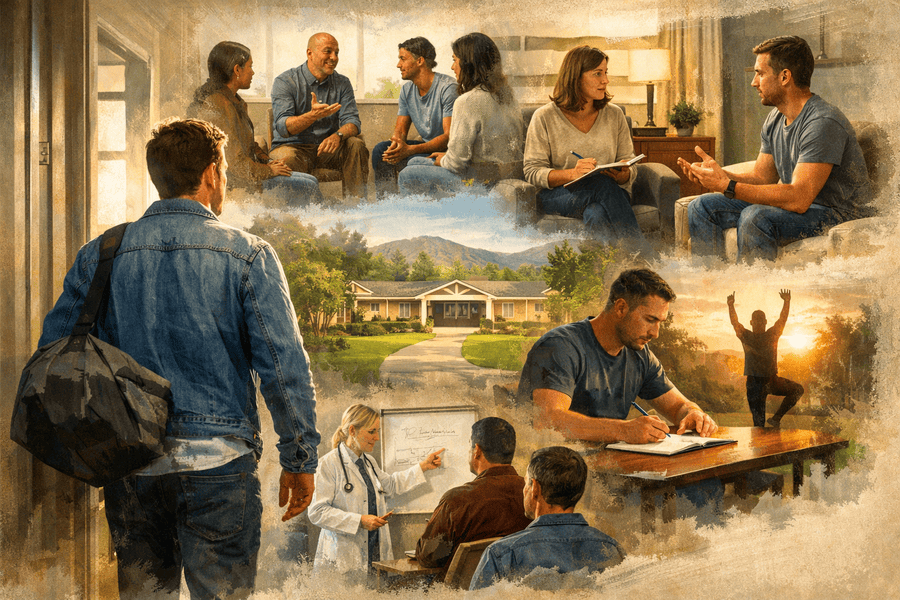
Entering a structured recovery program can feel like stepping into uncharted territory. For many, the decision to seek professional help marks a pivotal moment—a recognition that change is not just desired, but necessary. While the road ahead is promising, it also brings uncertainties. Understanding what to expect can help ease anxieties and empower individuals to fully engage in their recovery journey.
The Shift from Informal to Structured Support
Recovery often begins in smaller, informal ways—through self-help books, online forums, or casual support groups. Transitioning into a structured program, such as a drug and alcohol rehab residential setting, introduces a new level of commitment and accountability. Unlike informal support, these programs are carefully designed to provide round-the-clock care, a structured daily routine, and professional guidance from therapists and medical staff.
Many people find this transition challenging initially. The change in environment, rules, and expectations can be overwhelming. However, structured programs also create a safety net. Daily routines, consistent therapy sessions, and peer support offer stability, which is crucial for those working to overcome addiction.
Understanding the Daily Routine
Structured recovery programs are built around a carefully planned schedule. Days often start early, with morning meetings, therapy sessions, and activities designed to foster self-reflection. While the rigidity of a schedule might seem daunting at first, it serves a vital purpose: replacing old, destructive habits with new, positive routines.
Typical daily components may include:
- Individual Therapy: One-on-one sessions with licensed therapists help participants explore underlying issues, triggers, and behavioral patterns.
- Group Therapy: Sharing experiences with peers can reduce feelings of isolation and provide practical coping strategies.
- Skill-Building Workshops: Activities such as stress management, mindfulness, and communication skills equip participants with tools for long-term sobriety.
- Physical Activity: Exercise and movement are often integrated to support overall mental and physical health.
- Structured Free Time: Even downtime is intentionally planned to encourage reflection, journaling, or creative expression.
The structured environment is not meant to be restrictive—it is designed to cultivate stability, accountability, and personal growth.
Emotional Adjustments and Expectations
Transitioning into a structured recovery program is not just a physical shift; it’s an emotional one. Many participants experience a range of feelings, from relief and hope to anxiety and frustration. It is normal to struggle with vulnerability, especially when facing personal issues head-on in therapy.
Expect moments of discomfort. Emotional breakthroughs often emerge during challenging discussions, as participants confront the root causes of their addiction. Professional guidance ensures these experiences are handled safely and constructively.
Additionally, the bonds formed in these programs can be powerful. Sharing struggles with peers fosters empathy, understanding, and camaraderie. For many, the sense of belonging and support is one of the most transformative aspects of structured recovery.
Developing New Coping Mechanisms
One of the key goals of a structured recovery program is helping individuals replace harmful coping mechanisms with healthier alternatives. Addiction often develops as a response to stress, trauma, or emotional pain. Simply removing substances without teaching new strategies is rarely enough for lasting change.
Structured programs provide tools such as:
- Mindfulness and meditation practices to manage cravings
- Cognitive-behavioral techniques to challenge destructive thought patterns
- Communication skills to navigate relationships without reliance on substances
- Healthy routines that reinforce consistency and purpose
These strategies not only support sobriety but also foster resilience, empowering participants to face life’s challenges without reverting to old habits.
Medical and Therapeutic Support
For individuals dealing with severe addiction, withdrawal symptoms or underlying mental health conditions may pose risks. Structured programs are staffed with medical professionals who can monitor physical health, manage withdrawal symptoms, and adjust treatment plans as needed. This level of care is essential for safety and can provide peace of mind to both participants and their families. For those seeking a more private and personalized experience, luxury rehab programs can offer the same high level of medical and therapeutic support within a more comfortable and individualized setting.
Therapists and counselors play a complementary role, addressing the emotional and psychological dimensions of recovery. Through therapy, participants gain insight into their behaviors, develop coping mechanisms, and learn to navigate triggers in a supportive environment.
Transitioning Beyond the Program
A structured recovery program is a crucial step, but it is not the endpoint. Toward the end of the program, participants often begin planning for life after residential care. This phase includes:
- Developing a relapse prevention plan
- Identifying ongoing support networks, such as outpatient therapy or peer support groups
- Setting personal and professional goals
- Learning how to integrate daily routines and coping strategies into everyday life
The ultimate aim is to equip participants with the tools, knowledge, and confidence to sustain long-term recovery outside the program.
Embracing the Journey
The transition into a structured recovery program is both a challenge and an opportunity. It is a period of intense growth, emotional exploration, and habit restructuring. While uncertainty and discomfort are natural, the rewards—stability, self-awareness, supportive relationships, and renewed purpose—are profound.
Approaching this phase with openness, patience, and self-compassion allows individuals to fully embrace the transformative potential of a structured recovery program. It is not merely a program; it is a stepping stone toward a healthier, more balanced, and fulfilling life.