
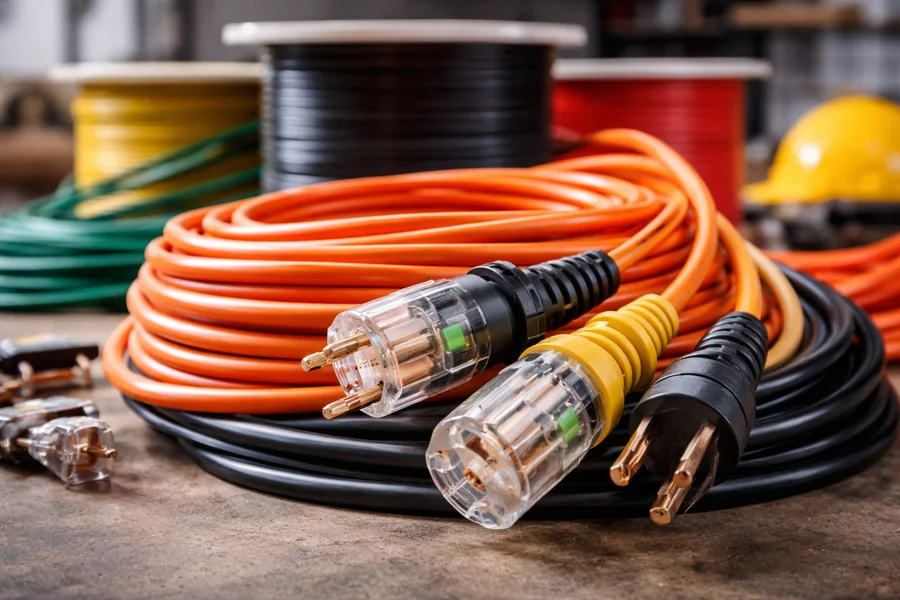
Electrical projects do not fail due to planning- they fail due to lack of attention to detail. Among the most frequent problems is the use of low-grade extension cords that cannot withstand the load requirements, deteriorate under the environmental conditions, or pose safety risks in the long run. Whether you’re managing a large installation, running a workshop, or handling ongoing industrial operations, unreliable wiring leads to downtime, increased costs, and potential risk.
Meanwhile, bulk selection brings more complexity in consistency. When only a fraction of your supply is not functioning, the whole system can be impacted. This is why quality becomes a crucial consideration, rather than an option.
This article describes the reasons why quality is important in purchasing bulk extension cords and how it directly affects performance, safety, and long-term value.
1. Consistent Performance Across Every Length
By purchasing a bulk extension cord, you are counting on a lot more than a unit–you are counting on hundreds of feet of consistent, continuous performance. Due to this, consistency is a characteristic that determines the effectiveness of your arrangement in the long-term.
Quality bulk wiring is produced with strict control over the conductor thickness and material composition. Consequently, the electrical resistance does not decrease as the length of the cord increases. This directly facilitates the delivery of voltage without difficulties and avoids fluctuation that may disrupt the performance of equipment.
Conversely, poor-quality cords tend to have irregularities that may not be visible at first glance. One section can be working properly, while another section may experience overheating or voltage drops. These inconsistencies increase over time and start to impact the overall reliability of your system.
Also, uniform insulation plays a significant role. Well-built, consistent insulation avoids the formation of weak spots, particularly in areas where cords are regularly used or moved. Finally, reliable operation across all feet of wire ensures that your entire electrical installation remains stable and predictable.
2. Enhanced Safety Through Superior Materials
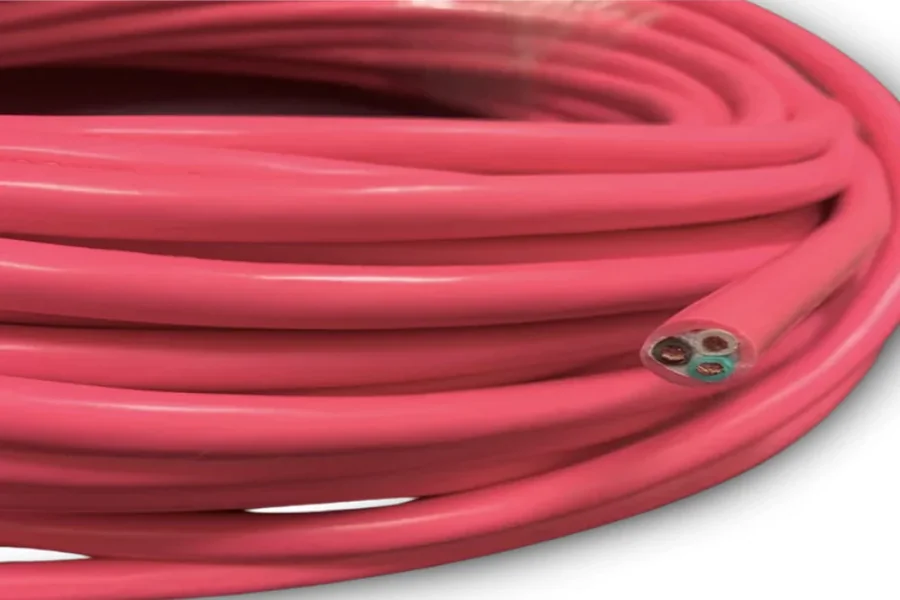
One of the areas where quality should not be compromised is safety. Electrical work is risky by nature, and the nature of materials used in extension cords determines the effectiveness of risk mitigation.
Good quality cords are constructed using insulation that is resistant to heat and flames, and able to withstand structural loads. This implies that the cord can still be used safely even after extended periods of use without deterring or revealing internal conductors.
In addition, quality cords are designed to ensure compliance with established safety standards. These standards indicate rigorous testing for tolerance to temperature, electrical load capacity, and environmental stress. When a cord meets these standards, it offers more confidence in real-life applications.
On the other hand, cords made with inferior materials tend to fail under pressure. Insulation can either become soft or cracked, resulting in internal wiring being exposed. This greatly contributes to the danger of electrical shock, short circuits, or even fire.
Exposure to moisture, oil, and extreme temperatures is common in demanding workplaces like outdoors or manufacturing facilities. Quality cords are also designed to be resistant to such conditions and therefore make sure that safety is maintained in all conditions.
3. Durability That Withstands Real-World Conditions
Durability becomes evident over time, especially when extension cords are subjected to daily wear and tear. In real life, cords are not treated with a lot of tenderness. They are dragged over surfaces, stretched, and subjected to tough conditions.
Quality bulk extension cords are made to accommodate this fact. Their outer jackets are constructed of abrasion-resistant material and are flexible even during changing temperatures. This flexibility is significant as it eliminates cracking and keeps it in use for a long time.
On the inside, strong conductors help ensure that repeated bending does not break. As a result, the cord continues to function reliably even after extensive use. This level of durability reduces the need for frequent replacements, which can otherwise disrupt operations and increase costs.
On the other hand, poor-quality cords are prone to deterioration. The insulation can be brittle, and internal wires can be weakened, leading to intermittent operation or a total failure. When these problems are experienced across several cords in a bulk purchase, the effect is far-reaching.
4. Accurate Load Handling and Electrical Efficiency
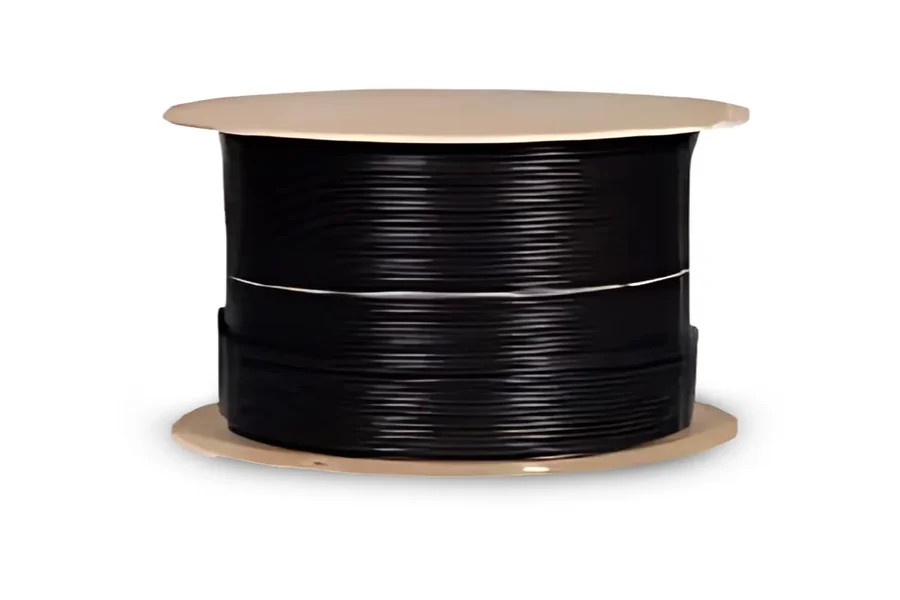
The efficiency of electricity is directly related to the capacity of a cord to deal with the load that it is intended to handle. This is not merely a question of functionality- it is a question of accuracy in production and specification.
Quality bulk cords are manufactured with well-stated voltage, amperage, and temperature tolerance ratings. The ratings are dependable since they are based on consistent materials and controlled production processes. When a cord is used within its rated capacity, it works effectively without producing too much heat or energy wastage.
This precision is particularly crucial in large arrangements where there are numerous cords being utilized at the same time. Even minor inefficiencies can compound, causing visible performance problems or greater power usage.
Poorer quality cords, though, do not tend to provide this degree of accuracy. Their ratings may not align with the real performance, leading to uncertainty in use. Consequently, cords can become overheated, have voltage drops, or fail unpredictably during normal operation.
Effective load management ensures that your equipment receives constant power, works as designed, and is not strained unnecessarily. This eventually leads to improved performance and low operational costs.
Final Thoughts
Buying an extension cord in large quantities is a purchase that goes beyond short-term needs. It determines the overall performance of your electrical system, its safety of operation, and its long-term efficiency in supporting your work.
Quality provides uniformity, enhances safety, increases durability, and promotes proper load handling. More importantly, it ensures long-term value by minimizing risks and limiting ongoing expenditures.