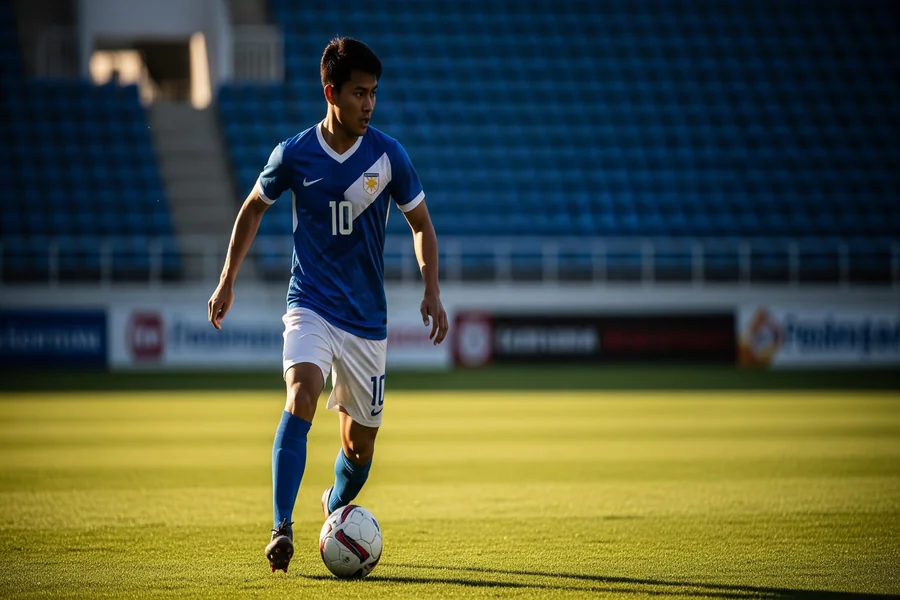
The passport story is often reduced to a shortcut: find a player trained abroad, confirm Filipino ancestry and improve the team. The process is slower. Documents must be verified, clubs must release players during the correct international windows, and coaches may have only days to turn several football cultures into one side.
The Philippines embraced that work earlier than most Southeast Asian federations. Overseas Filipino footballers changed the Azkals’ tactical vocabulary, turned family contacts into global scouting and forced an uncomfortable question: if the Philippines national football team can import elite habits, can football in the Philippines reproduce them between international windows?
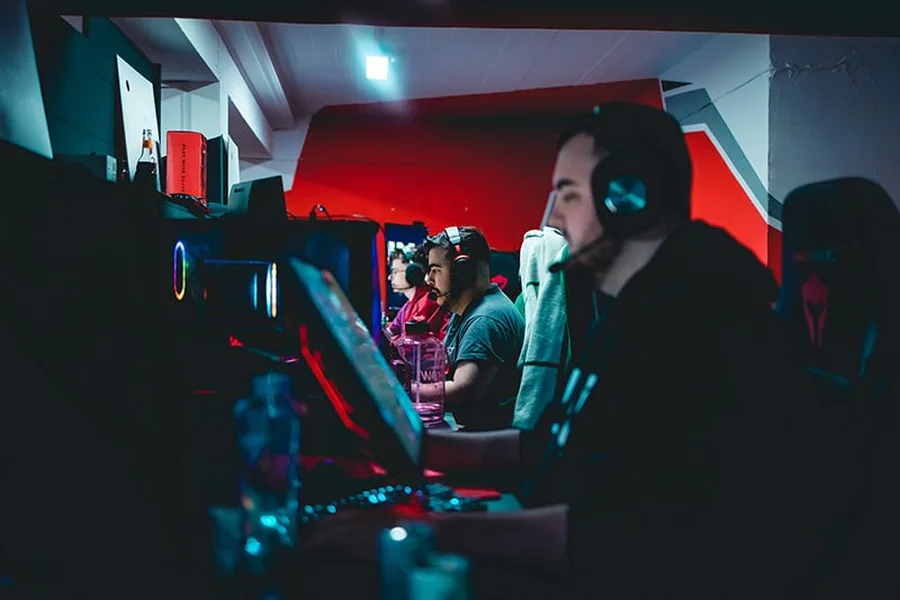
A Video-Game Tip Became a Recruitment Method
The origin story sounds too neat, but FIFA has preserved it. In 2005, a Football Manager player alerted the federation to Chelsea academy brothers James and Phil Younghusband and their Filipino eligibility. They accumulated 206 senior appearances and 64 goals between them, giving an informal discovery a decade of value.
That case changed institutional behavior. Dan Palami’s project searched Filipino communities in Britain and continental Europe while coaches combined recruits with Chieffy Caligdong, Ian Araneta and Aly Borromeo. The 2–0 defeat of Vietnam in 2010 validated the mixed model and made genealogy, passport processing and overseas contacts part of team building.
The Pipeline Runs From Surrey to Munich, Madrid and Japan
England supplied the Younghusbands, Chris Greatwich, Rob Gier and Neil Etheridge. Germany produced Stephan Schröck, Manny Ott, Patrick Reichelt and later Raphael Obermair; Spain added Ángel Guirado and Javier Patiño. Japan-developed Jefferson Tabinas, Canada-raised Michael Baldisimo and Sweden-born Jesper Nyholm widened the pool again.
Those routes changed the tactics. German-trained midfielders brought pressing triggers and quicker support angles, British-trained defenders understood aerial duels and second balls, while players from Spain offered combinations between the lines. Coaches could choose between a low block, an aggressive press and longer possession phases.
The Audience Economy Followed the Scouting Map
The same globalization that widened recruitment also expanded interest in squad announcements and qualification forecasts. A heritage player joining from a 2. Bundesliga club can move public expectations before he has trained with the team, although the real variables remain availability, travel load and tactical fit. Price comparisons across betting sites Philippines are most useful after the final roster and match venue are confirmed, when an apparent favorite can be tested against current evidence. Small, fixed stakes are more defensible than reacting to a famous club name.
Digitally simulated football creates another audience, but it cannot be used as a proxy for the national side. Results depend on the competitors, chosen teams, match engine and tournament rules rather than ancestry or FIFA ranking. Research around esports betting should therefore start with recent series, map or match format and settlement rules, not with the Azkals’ latest score. The faster event cycle can produce sharper short-run variance.
Casino products belong to a separate probability model. Slots use certified random-number generation, and their stated RTP operates across a very large number of rounds rather than one sitting. Listings under online casino Philippines are better compared by provider rules, volatility, maximum stake and wagering conditions than by surface theme. A football badge or stadium graphic does not make the outcome skill-based.
The Shortcut Carries a Hidden Match-Day Cost
The diaspora model creates depth but uneven access. A club may refuse release outside a FIFA window, an injured player cannot be assessed daily, and a long time-zone shift can erase the physical advantage his résumé implies. Coaches also face different terminology for pressing, spacing and set pieces.
The 2019 Asian Cup showed both sides. A multinational squad frustrated South Korea before a 1–0 defeat, yet short preparation limited attacking connections. Recruitment raised the ceiling faster than cohesion raised the floor.
Local Players Gained Teammates – and Lost Minutes
The transfer of knowledge was real. Manny Ott, Schröck and other returnees helped Ceres-Negros become the 2017 AFC Cup ASEAN Zone champion. Local defenders trained against faster attackers and saw the standard required for international football.
Dependence remained the danger. Filling several positions abroad lets local academies postpone solving goalkeeper, center-forward or playmaker shortages. The answer is a domestic pathway with enough coaching and competitive minutes that every overseas recruit must beat a credible local alternative.
One Goal in 2026 Exposed the Next Bottleneck
Carles Cuadrat’s team completed 2027 Asian Cup qualifying unbeaten with 14 points from four wins and two draws. Germany-born Obermair scored on his debut in the decisive 1–1 draw in Tajikistan, yet the Philippines missed qualification by a single goal on goal difference. The episode captured the entire diaspora equation: a newly integrated player supplied immediate quality, while six matches of accumulated margins decided the campaign.
Recruitment is no longer the Azkals’ main discovery problem. The harder work is maintaining a year-round U23 program, stabilizing the Philippine Football League and giving locally based prospects enough high-pressure matches to arrive ready. The next overseas find can change a game; the domestic calendar determines whether one goal is enough.