
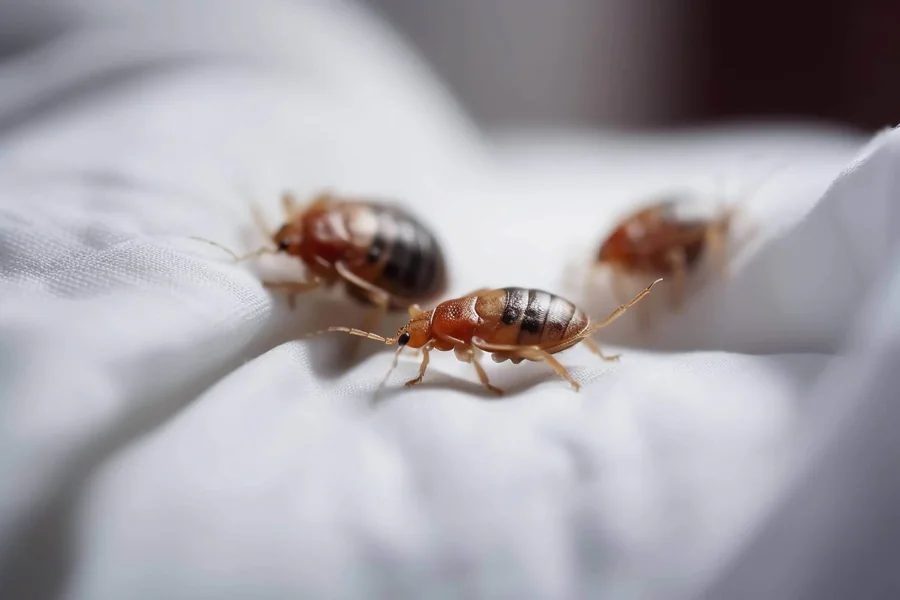
Bed bug infestations can be frustrating, disruptive, and difficult to manage without a well-planned approach. These small insects are highly adaptable and can hide in narrow cracks, mattress seams, furniture joints, bed frames, carpets, and other concealed spaces. Because they are primarily active when people are resting, an infestation may remain unnoticed until signs become more obvious. Early identification and appropriate treatment can help prevent the problem from spreading throughout a property.
Bed Bugs are attracted primarily to the presence of people and animals because they feed on blood. They do not live because a home is dirty, and their presence is not necessarily an indication of poor housekeeping. They can enter properties through luggage, clothing, furniture, bedding, bags, and other items. Once introduced, they can gradually spread to additional rooms if the infestation is not addressed.
Managing an infestation requires patience and consistency. Simply washing bedding or applying an ordinary household insecticide may not eliminate all stages of the insects. Effective management usually involves inspection, heat or laundering where appropriate, physical removal, carefully selected treatments, monitoring, and follow-up. Understanding their behavior and life cycle can make the treatment process more systematic and improve the chances of achieving lasting results.
Understanding Bed Bug Behavior
Bed bugs are small, flat insects that can hide in extremely narrow spaces. Their bodies allow them to move into cracks and crevices where they may remain difficult to detect during routine cleaning.
They are attracted to carbon dioxide, body heat, and other signals associated with potential hosts. This is why they are often discovered around sleeping areas, although they can eventually spread to sofas, chairs, closets, and other locations.
They do not typically remain permanently attached to people. Instead, they hide in nearby locations and emerge when conditions are favorable for feeding. After feeding, they return to protected hiding places.
Understanding this behavior helps explain why treating only the mattress or visible insects may not solve the entire problem.
Recognizing the Signs of an Infestation
Identifying an infestation early can make management easier. One of the most common signs is the presence of small dark spots on mattresses, sheets, bed frames, or nearby furniture. These marks may result from fecal material.
Other signs can include shed skins, eggs, eggshells, live insects, or small blood stains on bedding. A distinctive odor may also occur when an infestation becomes established, although smell alone is not a reliable way to confirm the presence of insects.
Bites can sometimes provide a clue, but they should not be considered definitive evidence because skin reactions vary significantly from person to person. Some people may develop noticeable marks while others may show little or no reaction.
A physical inspection is therefore more reliable than attempting to identify an infestation based solely on bites.
Where Bed Bugs Hide
Bed bugs are commonly associated with beds because sleeping people provide a predictable food source. However, they can hide in many locations.
Mattress seams, box springs, bed frames, headboards, baseboards, furniture joints, electrical outlet areas, cracks, and upholstered furniture may all provide suitable hiding spaces.
As an infestation grows, insects may spread farther from the primary sleeping area. They can move into nearby rooms and conceal themselves in furniture, carpets, curtains, luggage, or other belongings.
This is why a thorough inspection should extend beyond the mattress. Looking only at the most obvious location can cause other areas of activity to be missed.
How Bed Bugs Enter a Home
Bed bugs are effective hitchhikers. They can travel in luggage, clothing, used furniture, mattresses, boxes, backpacks, and other personal belongings.
Travel can increase exposure because luggage may come into contact with infested furniture or sleeping areas. Used furniture can also introduce an infestation if it has not been carefully inspected.
People do not need to have poor housekeeping habits for an infestation to occur. A clean, well-maintained property can still experience bed bug activity if insects are accidentally brought inside.
Understanding this can help remove the stigma associated with infestations and encourage people to address problems promptly rather than delaying treatment.
Inspecting Sleeping Areas
The sleeping area is an important starting point during an inspection. Mattress seams, piping, labels, handles, and edges should be examined carefully. The bed frame, headboard, box spring, and surrounding furniture should also be inspected.
A flashlight can help reveal insects, shed skins, eggs, and dark spotting in narrow spaces.The area around the bed should also be examined. Baseboards, nearby furniture, electrical fixtures, and cracks may provide hiding places.
If evidence is found, moving furniture unnecessarily can sometimes spread the insects to other areas. Items should therefore be handled carefully until a treatment plan has been established.
Understanding the Life Cycle
Bed bugs progress through several stages, beginning with eggs and continuing through immature stages before becoming adults. Immature insects require blood meals as they develop.
Eggs can be particularly challenging because they are small and may be deposited in protected locations. Some treatments may not eliminate every egg, which is one reason follow-up inspections and repeated treatments can sometimes be necessary.
Temperature influences development, and favorable conditions can support continued reproduction. Understanding the life cycle helps explain why a single treatment may not always provide complete control.A successful management plan should account for insects at different stages.
Preparing for Professional Treatment
Preparation can improve the effectiveness of professional treatment. Instructions may vary depending on the method being used, so property owners should follow the service provider’s specific recommendations.
Preparation may involve removing unnecessary clutter, laundering certain fabrics, organizing belongings, and providing access to areas that need inspection and treatment.
Items should not be moved casually from an infested room to another part of the property because this can spread insects.
Clear communication with the pest professional is important. Residents should report where insects or signs have been found, when the problem was first noticed, and whether previous treatments have been attempted.
Washing and Drying Bedding
Laundering bedding and clothing can help manage insects present on washable fabrics. Washing should be combined with an appropriate drying process when recommended, because heat can be an important part of eliminating insects on suitable materials.
Items should be handled carefully to avoid spreading insects. Infested fabrics can be placed into sealed bags before being transported to laundry facilities.
Not every item can be washed or dried using high temperatures, so care labels and treatment recommendations should be followed.Cleaning bedding alone, however, will not normally eliminate an infestation because insects may remain hidden in mattresses, bed frames, furniture, walls, or other areas.
Reducing Clutter
Clutter provides additional hiding spaces and can make inspections and treatment more difficult. Reducing unnecessary items around sleeping areas can therefore support the management process.
Books, clothing piles, boxes, bags, and miscellaneous objects should be organized carefully. Items from an infested area should not automatically be moved to another room.
Reducing clutter does not directly eliminate bed bugs, but it can make potential hiding locations easier to inspect and can improve access for treatment.Organized rooms also make it easier to monitor whether new signs appear after treatment.
Using Mattress Encasements
Specially designed mattress and box spring encasements can provide another management tool. These covers are designed to prevent insects from entering or escaping the encased item.
When properly installed and maintained, an appropriate encasement can make inspection easier by reducing the number of accessible hiding locations.
Encasements should remain intact and should be used according to the manufacturer’s instructions. A damaged cover may not provide the intended protection.They should also be viewed as one part of an overall management strategy rather than a standalone solution.
Heat Treatment
Heat can be an effective tool against bed bugs when properly applied. Professional heat treatments raise temperatures in affected areas to levels intended to eliminate insects at various life stages.
The process requires specialized equipment and careful temperature monitoring. Improper heating may fail to reach insects hidden in protected areas or may create unnecessary safety risks.
Professional treatment is therefore preferable for whole-room or whole-property heat applications.Heat treatment can be useful in certain circumstances, but the suitability of the method depends on the property, materials, infestation, and treatment goals.
Chemical Treatment Options
Insecticides may be used as part of a professional treatment program. Different products work in different ways, and some insects may have resistance to certain active ingredients.
Applications should be targeted according to the pest’s hiding locations and the product’s label requirements. Excessive application does not necessarily improve results.Residents should follow instructions regarding ventilation, access restrictions, children, pets, food, and treated surfaces.
Professional pest management providers can determine which products and application methods are appropriate for the circumstances.
Why Do-It-Yourself Treatment Can Fail
Many unsuccessful treatments focus only on visible insects. Spraying a mattress, for example, may kill insects that are directly contacted while leaving others hidden in the bed frame, walls, furniture, or surrounding areas.
Another problem is improper product selection or application. Household products may not be designed for bed bug infestations, and repeated applications can sometimes complicate later professional treatment.Moving from room to room can also spread insects throughout the property.
When an infestation is suspected, a careful inspection and structured management plan can be more effective than repeatedly applying random treatments.
Preventing Bed Bug Introduction
Prevention begins with careful inspection of items that enter the home. Used furniture, mattresses, clothing, luggage, and other secondhand belongings should be examined before being brought indoors.
After traveling, luggage can be inspected before it is stored. Clothing can be handled according to appropriate laundering and drying recommendations.
Keeping suitcases off beds and upholstered furniture during travel can also reduce opportunities for insects to move into luggage.These practices cannot eliminate every possibility of exposure, but they can reduce the chance of accidentally introducing insects.
Protecting Other Rooms
When an infestation is discovered, it is important to avoid unnecessary movement of belongings between rooms. Clothing, bedding, furniture, and boxes can provide transportation routes for insects.
Sleeping in a different room may also complicate management by encouraging insects to follow a new host.A professional can provide guidance on how occupants should continue using bedrooms and other areas during treatment.
The objective is to contain the problem as much as possible while treatment addresses established hiding places.
Monitoring After Treatment
Follow-up monitoring is an important part of bed bug management. New sightings or signs after treatment do not automatically mean the treatment failed because insects may emerge from previously hidden areas or eggs may hatch after an initial application.
Monitoring can involve visual inspections, traps designed for detection, or scheduled professional visits.
Residents should document new evidence when possible and communicate it to the treatment provider.Consistent monitoring helps determine whether additional treatment is needed and provides a clearer picture of progress.
Protecting Children and Pets
Treatment plans should take household safety seriously, particularly when children or pets live on the property. Pest control products should be used strictly according to their labels and professional instructions.
Residents should understand when rooms can be safely reoccupied and whether any items need to be removed or covered before treatment.Some non-chemical approaches may be particularly useful in households where minimizing pesticide exposure is a priority, although the appropriate method depends on the infestation.
Professional advice can help balance effective treatment with reasonable safety precautions.
Cleaning and Repairs
Cleaning can support bed bug management, but aggressive cleaning alone will not eliminate a widespread infestation. Vacuuming may help remove insects and debris from accessible areas when performed carefully and according to treatment guidance.
Cracks and gaps may also require attention because they can provide hiding spaces. Repairing damaged furniture and sealing suitable structural gaps can make future inspections easier.
However, property owners should avoid making extensive changes before consulting a professional if an infestation is active. Certain actions can accidentally disturb and spread insects.
Professional Bed Bug Management
Professional Bed Bugs treatment can provide a more systematic approach when an infestation is established. Professionals can inspect sleeping areas, furniture, surrounding rooms, and potential hiding places before recommending a treatment strategy.
Depending on the circumstances, treatment may involve heat, targeted insecticides, vacuuming, encasements, monitoring devices, or a combination of methods.
Professionals can also provide follow-up instructions and identify conditions that may contribute to continued activity.The success of treatment depends on accurate identification, thorough inspection, appropriate application, cooperation from occupants, and follow-up when required.
When to Seek Professional Help
A professional assessment may be appropriate when multiple signs of an infestation are present, insects continue appearing despite cleaning, or the source cannot be identified.
It is also useful when an infestation has spread to multiple rooms or when repeated do-it-yourself treatments have not produced lasting results.
Early professional involvement can make the situation easier to manage because the infestation may be more contained.Homeowners and renters should avoid waiting for the problem to become severe before seeking assistance.
Building a Long-Term Prevention Plan
After an infestation has been addressed, continued awareness can help reduce the risk of recurrence. Regular inspection of sleeping areas, careful handling of secondhand furniture, and sensible luggage practices can all support prevention.
Households should also respond promptly to suspicious signs. A single unexplained stain may not indicate an infestation, but repeated evidence should be investigated.Keeping bedrooms reasonably organized makes inspections easier, while avoiding unnecessary clutter can reduce hiding opportunities.
Prevention is particularly important after previous exposure because early detection can simplify future management.
Conclusion
Bed bug infestations can be challenging because these insects are small, mobile, and capable of hiding in extremely narrow spaces. They can enter clean and well-maintained homes through luggage, clothing, furniture, and other belongings, meaning their presence is not necessarily connected to housekeeping standards.
Effective bed bug management begins with accurate identification and a thorough inspection. Treatment may involve laundering, heat, vacuuming, encasements, targeted products, monitoring, and professional follow-up. No single method is guaranteed to address every infestation, particularly when insects have spread into multiple hiding locations.
Homeowners should avoid relying solely on visible bites or isolated sightings. Physical evidence such as insects, eggs, shed skins, or characteristic spotting provides more useful information. Moving belongings between rooms or repeatedly applying unsuitable products can also make the situation more difficult.
Professional bed bugs services can provide the expertise and structured treatment required for persistent infestations. A qualified provider can evaluate the property, identify likely hiding areas, recommend suitable methods, and establish a monitoring plan.
Ultimately, successful bed bug management depends on early detection, careful preparation, appropriate treatment, and consistent follow-up. By combining preventive habits with professional assistance when necessary, property owners can address infestations more effectively and reduce the likelihood of future problems.