Coffee lovers tend to collect a short list of beans they consider worth the splurge, and almost everyone who has tried real Kona coffee puts it near the top. Grown on the volcanic slopes of Hawaii’s Big Island, Kona is one of the few truly American-grown coffees and one of the most sought-after in the world. But the word Kona gets thrown around loosely on store shelves, and understanding what actually makes it special, and how to tell the real thing from a watered-down version, will change the way you shop for your morning cup.
A coffee shaped by one very particular place
Great coffee is a product of its environment, and the Kona district offers a combination of conditions that is almost impossible to replicate. The region sits on the western slopes of two volcanoes, Hualalai and Mauna Loa, at elevations that give the coffee cherries cool nights and warm, sunny mornings. The soil is young volcanic rock, rich in minerals and excellent at drainage. And the local weather follows a reliable daily rhythm, with bright mornings giving way to gentle afternoon cloud cover that shades the trees from the harshest sun, followed by soft rain.
That pattern, sometimes called free shade, lets the cherries ripen slowly and evenly. Slow ripening is what develops the sugars and complex flavours that define a premium coffee. The result is a cup that is smooth and low in bitterness, with a medium body, bright but gentle acidity, and tasting notes that often lean toward brown sugar, nuts, milk chocolate, and a soft fruitiness. It is a coffee people describe as clean and easy to drink, the kind you can enjoy black without any need to mask it.
Why the Kona coffee belt is so small
Part of what makes Kona coffee rare is simple geography. The growing region is a narrow strip only around two miles wide and perhaps thirty miles long, running along those volcanic slopes. There is very little land that qualifies, and much of the work is done on small farms by hand, including handpicking the cherries at peak ripeness. Labour in Hawaii is not cheap, and the terrain does not lend itself to the giant mechanised harvesting used in other coffee countries.
All of that limited supply and careful, manual work explains the price. Genuine Kona coffee costs more than most supermarket beans, and that is not marketing. It reflects a small harvest, meticulous handling, and a growing region that cannot simply expand to meet demand.
The trap of the Kona blend
Here is where shoppers get caught. Because true Kona is expensive and scarce, many products on shelves are sold as Kona blend. In many cases a Kona blend is legally allowed to contain as little as ten percent actual Kona coffee, with the rest made up of cheaper beans from anywhere in the world. You pay a premium for the Kona name while drinking mostly something else.
If you want the experience that makes Kona famous, the label to look for is 100% Kona coffee. That phrase means every bean in the bag came from the Kona district. It is the only way to know you are tasting the real character of the region rather than a faint hint of it diluted into ordinary coffee. Reading the bag carefully is the single most important habit for anyone buying Kona.
Freshness is the other half of the story
Even the finest beans are only as good as their freshness. Coffee begins to lose its aromatic oils and bright flavours within weeks of roasting, and ground coffee fades even faster. This is why the way your coffee gets from the farm to your kitchen matters almost as much as where it was grown.
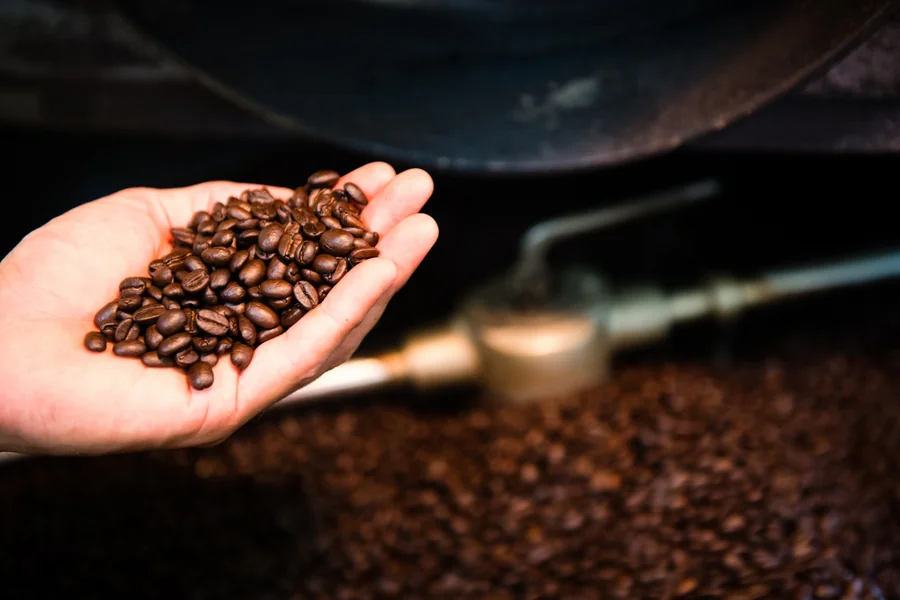
The best approach is buying from a source that roasts in small batches and ships quickly, ideally whole bean, so the coffee is near its peak when it reaches you. Farm-direct sellers have a real advantage here, because the beans do not sit in a distribution warehouse for months. If you want to taste Kona the way the farmers intend, look for small-batch, farm-direct options such as Kona Farm to Cup coffee, which is grown and roasted in Hawaii and shipped whole bean straight from the farm so it arrives fresh rather than stale. Freshness is the difference between a cup that merely tastes fine and one that shows off everything the region can do.
Getting the most out of your beans at home
Once you have genuine, fresh 100% Kona, a few simple habits let its character shine. Buy whole bean and grind just before brewing, since grinding releases flavour that fades fast once exposed to air. Store the beans in an airtight container away from light, heat, and moisture, and skip the freezer for coffee you will drink within a few weeks.
Because Kona is prized for its smooth, delicate profile, avoid brewing methods that scorch or overwhelm it. A pour over, a drip machine with good temperature control, or a French press all let its subtlety come through. Use water that is hot but not boiling, roughly just off the boil, and give the coffee a balanced ratio rather than making it too strong. Kona rewards a gentle hand. It is not a bean you need to fight with, and a straightforward brew often produces the best results.
Is it worth it?
For an everyday pot of coffee, no one needs to buy a premium single-origin bean. But as an occasional treat, a gift, or a weekend ritual, genuine Kona delivers an experience that mass-market coffee simply cannot. It is smooth, forgiving, and distinctive, and knowing the story behind it, the volcanic soil, the tiny growing region, the handpicking, makes each cup a little more meaningful. Just remember the two rules that separate a great purchase from a disappointing one: insist on 100% Kona, and buy it as fresh as you can.
Frequently asked questions
What does 100% Kona coffee mean?
It means every bean in the bag was grown in the Kona district of Hawaii’s Big Island, with no cheaper beans blended in. It is the only label that guarantees you are tasting authentic Kona coffee.
Why is Kona coffee so expensive?
The growing region is tiny, the terrain requires handpicking rather than machine harvesting, and Hawaiian labour costs are high. Limited supply combined with careful, manual production drives the price.
What is the difference between Kona coffee and a Kona blend?
A Kona blend can legally contain only a small percentage of real Kona coffee, often around ten percent, with the rest being other beans. Only 100% Kona guarantees the full, authentic flavour.
How should I brew Kona coffee?
Use a gentle method such as pour over, drip, or French press, with water just off the boil. Grind whole beans fresh and keep the brew balanced, since Kona is prized for a smooth, delicate profile that harsh brewing can overwhelm.
Does freshness really matter that much?
Yes. Coffee loses its aromatic oils within weeks of roasting, and ground coffee fades faster. Buying small-batch, farm-direct, whole-bean coffee and grinding just before brewing preserves the flavour that makes Kona special.