
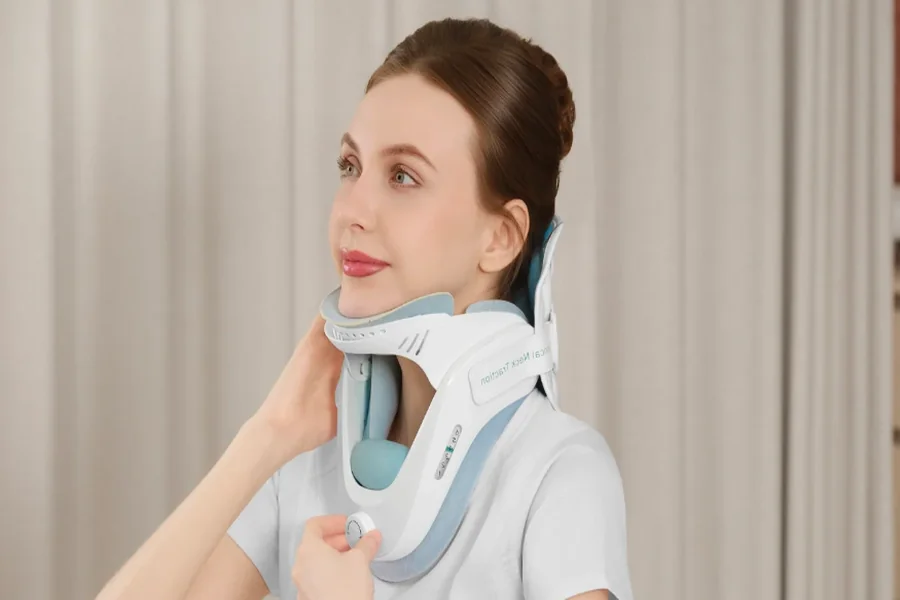
Many people come across neck discomfort due to sudden movement of neck or injury which can actually make moving the neck quite uncomfortable.
For that reason, a cervical collar can literally be useful as it is specifically designed to support as well as stabilize the neck when you are dealing with neck pain, stiffness or recovering from a medical procedure.
However, choosing the right neck collar is not simply about picking the most expensive or heavily padded option. The right collar should actually provide appropriate support while remaining comfortable, enough for the intended period of use.
Therefore, in this blog you will find about the important features to consider before buying the cervical collar that will help you to pick the right one.
Choose the Correct Size
Size is one of the most important factors when purchasing a cervical collar. A collar that is too loose may not provide the support you actually need. On the other hand, one that is too tight can actually cause discomfort, or difficulty in swallowing.
Most collars are available in different sizes such as small, medium and large. Some designs may also come with adjustable straps or height settings.
Moreover, check the manufacturer’s provided sizing instructions and measure your neck or the recommended measurements points according to the product guide. If you have been prescribed a specific collar, asking your healthcare provider can assist you to pick the appropriate size.
Understand the Type of Cervical Collar
The cervical collar comes in different designs and each is intended for a different level of support. The below table provides a quick overview of different types.
| Collar Type | Material | Support Level | Medical Indication | Adjustability |
| Soft Cervical Collar | Compression foam, fabric cover | Low(provides gentle support ,allow movement | mild strains, muscle spasms | Basic hook and loop rear closure |
| Rigid Cervical Collar | Molded plastic/ polyethylene | High (strictly blocks bending) | Cervical fractures, post-surgical stabilization | Utilizes a protective two-piece shell |
| Adjustable Strap Collar | semi-rigid frame with mechanical straps | Moderate to High (highly secure, custom positioning) | Dynamic recovery, post-op care | High; features precise finite height |
Look For Good Neck Support
The primary purpose of a cervical collar is to literally provide support to the neck. You should look for designs which literally keep your neck in its intended position without causing any excessive pressure.
A good collar should actually feel supportive rather than restricting motion or causing discomfort. It should also offer the desired support under the chin as well as around the knee while allowing you to breathe and swallow normally.
For rigid or post-recovery collars, right fitting is very crucial. These products should be selected with professional guidance rather than picking on your own.
Consider the Material
The material plays a key effect on comfort particularly when you are planning to wear it for prolonged periods of time.
Soft foam collars can actually offer cushioning while rigid collars may use plastic or related firm materials for providing greater stability. Some products even include a soft fabric covering to reduce the contact with the skin.
If you have sensitive skin, then you should consider materials that are soft, breathable and less likely to cause irritation. A removable along with washable cover can particularly be useful for maintaining hygiene.
Pay Attention to Comfort
Comfort becomes an important factor when you are intending to wear it for longer periods of time. You should check the padding areas around the areas that commonly feel stress such as chin, jaw and back of the neck.
The neck collar should not create significant irritation, or irritation. Breathable fabrics can actually help in reducing sweat as well as discomfort.
You should keep in mind that a comfortable collar is not necessarily the one that provides the least protection. The ideal balance entirely depends on why you actually need the collar in the first place.
Consider Breathability and Hygiene
Neck support can actually warm particularly when you use it for an extended period. A breathable material neck brace can actually help in reducing moisture as well as sweating.
If you are planning for regular use, hygiene also becomes a crucial factor. You should look for designs which come with washable covers that can be particularly cleansed according to the manufacturer’s provided washing instructions.
You should totally avoid using a damaged or dirty collar without properly cleaning or replacing it. You should fully follow the manufacturer’s cleaning instructions because some materials may literally be damaged by certain cleaning products or methods.
Check the Weight and Design
You should ideally look for a lightweight design which is easier to wear, however some neck belts may even be heavy due to their particular use. The given table provides the weight along with design of different neck braces.
| Collar Type | Weight Profile | Core Design |
| Soft Cervical Collar | Lightest (50-100g) | Contoured compressible foam with a breathable fabric cover |
| Rigid Cervical Collar | Heaviest (200–350g) | Two-piece molded plastic shell, plush foam lining |
| Adjustable Strap Collar | Moderate (150–250g) | Semi-rigid polymer frame with height-tuning straps |
Think About Your Specific Need
Before buying, you should ask yourself: why do I need a cervical collar?
A neck brace which is intended for occasional mild discomfort is actually different from the one that is required for immobilization after an injury. Similarly, a collar recommended following a surgery should be selected according to the healthcare professional instructions.
If you are experiencing a significant pain, neck injury, muscle weakness or other concerning symptoms then you should not rely solely on a neck collar because it is not the substitute of the medical treatment.
Final Thoughts
Choosing the right cervical collar is more than finding the one that is expensive or looks comfortable. You should consider factors such as size, support, material, breathability and hygiene along with how you are planning to use which help you to make a more informed decision.
Most importantly, the appropriate level of neck immobilization entirely depends on the underlying condition. If your doctor has suggested a certain type of neck collar, then you should use their guidance when selecting one.



Pingback: What to Know About the 1977 Essentials Hoodie Design