
Every friend group has a name that should never have escaped the group chat. Maybe it came from a badly spelled message, a disastrous camping trip, or somebody’s very serious opinion about pizza. Instead of letting that name disappear beneath six months of memes, use it as the starting point for a fake music awards night. Nobody needs to play an instrument or perform in public. A playful band name, a fictional backstory, and a short musical example made with AI Song can give each team something to present. The best part is hearing friends defend their ridiculous inventions as if they were actual stars.
The Rules: Everyone Is in a Band That Doesn’t Exist
Invite four to twelve people and split them into teams of two or three. Each team invents a band, names its debut release, chooses a musical style, and prepares a thirty-second acceptance speech. Think of it as a combination of a naming contest, a music listening party, and an extremely unserious awards ceremony.
Give everyone the same preparation window. Twenty to thirty minutes is reasonable for a casual gathering, but you can stretch it over a weekend if the group lives in different cities. The goal is not to produce beautiful music. It is to create a complete joke that people can understand in a few seconds.
Agree on one boundary before starting: jokes should target fictional bands and harmless shared experiences, not somebody’s sensitive personal history. Make opting out of the speech completely normal. A funny evening becomes awkward quickly when one person feels like the designated punchline.
Four Band-Naming Challenges That Actually Work
Simply telling people to invent a funny name often produces blank stares. Give them constraints, then let the results get strange.
1. Name a Band After a Household Disaster
Take an ordinary inconvenience and make it sound like a legendary act. “The Missing Tupperware” could be a moody indie band. “Wet Sock Committee” sounds like a group whose first tour was canceled by a plumbing problem. Add a debut album title, such as Please Check the Dishwasher, and the fictional universe starts writing itself.
The humor comes from contrast: the band acts important while its subject is spectacularly unimportant. Ask teams to keep their name easy enough to announce aloud.
2. Give a Serious Genre an Unserious Name
Invent a dramatic metal band called “Customer Support Penguins” or a sophisticated jazz trio called “Microwave Instructions.” The mismatch gives everyone an immediate picture. It also suggests how their music might sound, which helps in the next stage of the game.
If a team cannot decide, have each member write one adjective and one everyday object. Combine the words and pick the pairing that gets the biggest laugh when read aloud.
3. Make a Group-Chat Mistake Legendary
Remember an autocorrect disaster that your friends still quote? Turn the harmless phrase into a fictional stage name. Make sure the original sender enjoys the joke. Add a fake origin story: the band was supposedly discovered during a late-night grocery run and refuses to answer questions about its drummer.
This category works especially well for old friends because the name rewards shared history without requiring outsiders to understand every detail.
4. Invent the Worst Possible Festival Headliner
A band called “The Five-Minute Delay” would be hilarious on a festival poster, especially if its performance supposedly starts forty minutes late. Have the team write a one-line festival announcement with three exaggerated promises. The details should make the name funnier rather than explaining the joke to death.
Keep the imaginary claims obviously fictional. Nobody should mistake your joke poster for a real concert or ticket offer.
Give Each Fake Band a Musical Personality
Now the names have to sound like something. Teams can describe the song they think their band would make: dramatic arena rock, sleepy bedroom pop, cheerful funk, or painfully serious folk. Ask for a mood and two instruments rather than a reference to a real musician’s exact style.
A group portraying “Customer Support Penguins” might request an instrumental track with heavy drums, distorted guitar, and a heroic mood. “Microwave Instructions” could go for slow piano and brushed jazz percussion. When people hear the contrast between name and sound, the joke becomes easier to remember.
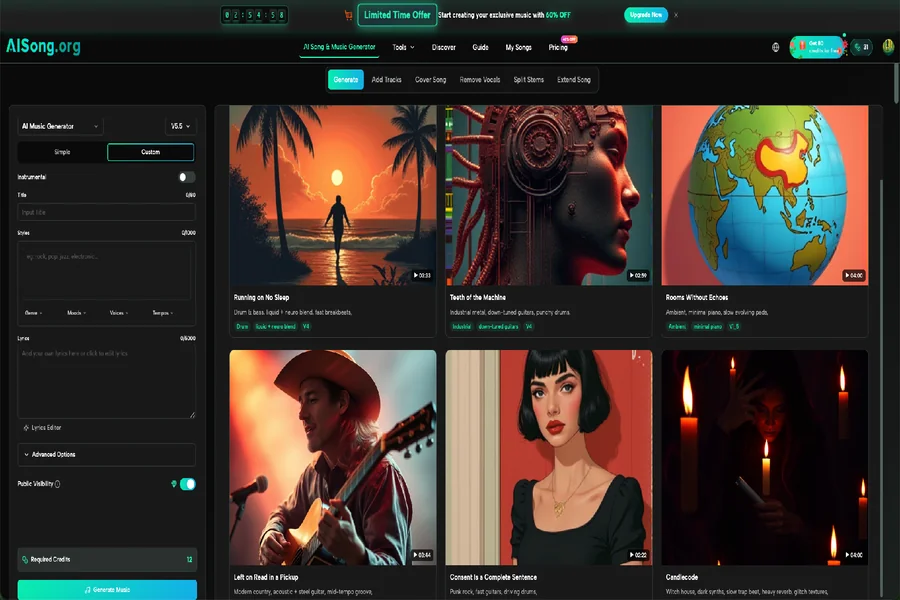
One practical way to make short musical candidates is to use AI Music Generator. AISong lets users describe genres and moods, and its Instrumental setting can help when the joke depends on an imaginary band’s atmosphere rather than lyrics. Generate a candidate, audition it, and choose a short excerpt for the presentation. The organizer should check the current usage terms before sharing recordings beyond a private gathering.
Do not make technical polish part of the scoring. Teams using only their voices or a tabletop rhythm should be able to compete fairly. A badly hummed theme can be funnier than a professional-sounding track.
Run the Awards Without Turning It Into Homework
Set up a simple order: team name, fake album title, musical excerpt, and acceptance speech. Give each group roughly two minutes on stage, which can be the living room rug or a video call. If somebody wants to wear sunglasses indoors while thanking an imaginary record label, encourage the commitment.
Choose playful awards instead of declaring one overall winner. “Most Likely to Get Banned From a Quiet Café,” “Best Name for a Reunion Tour,” and “Album Cover We Would Actually Frame” reward different kinds of humor. Prepare paper certificates or write the results on sticky notes.
Ask everyone to vote privately for each category. People should not vote for their own team. If there is a tie, let both groups share the title or perform a ten-second improvised encore. Avoid making the final result depend on musical skill, which was never the point of the evening.
For remote friends, share a short document containing each fictional band name and its introduction. Play the excerpts over a call, then collect votes in the chat. Watch the audio volume and leave a little silence between entries so people can react.
Small Details That Make the Night Memorable
Names deserve a visual identity too. Put each fake band on a handwritten poster, or ask teams to design a cover with paper, markers, and whatever household object matches the joke. A cereal box can become an album sleeve. A rubber duck makes a surprisingly convincing mascot.
There is no need to post the results online, but if you do, ask every participant first. A funny group-chat reference may stop being funny when it becomes public. For shared music, check the relevant permission rules and avoid presenting a fictional artist as a real person.
After the awards, collect the band names and album titles in one document. Next year’s party can feature a ridiculous reunion tour or a feud between two imaginary acts. The tradition becomes funnier as its fictional history grows.
Conclusion
A good party game gives people enough structure to get started and enough freedom to surprise each other. Fake band awards do exactly that. Begin with funny names, add invented backstories and matching music, then let everyone perform their short pitch. Keep the rules light, the jokes kind, and the voting silly. You do not need actual musicians, a venue, or even a shared taste in songs. You only need a group of friends willing to act briefly famous for no good reason. Give your group chat’s strangest nickname its debut tonight.