
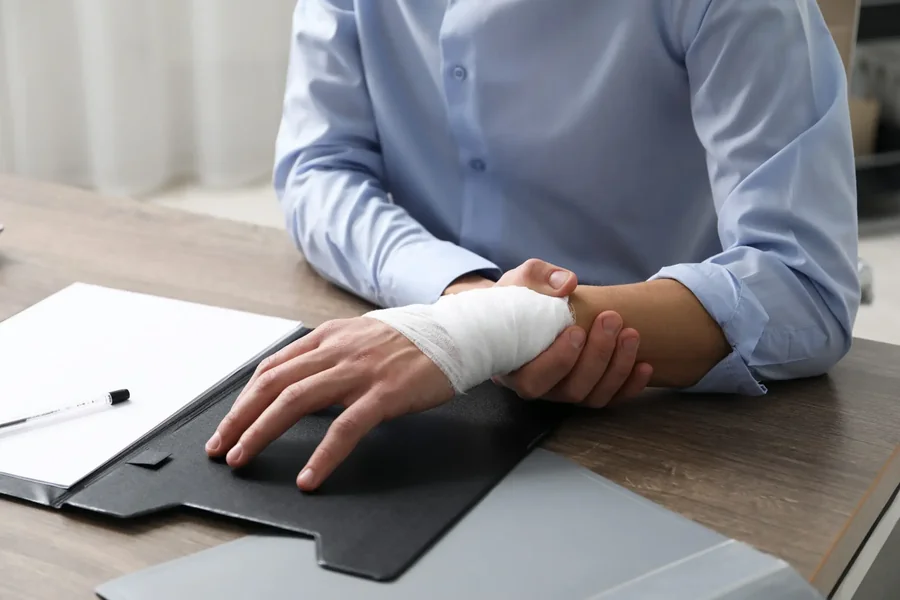
Accidents can happen when we least expect them. A quick trip to the grocery store, a morning commute, or an afternoon walk through the neighborhood can unexpectedly result in an injury. While some accidents are unavoidable, others occur because someone fails to take reasonable precautions to protect others.
When an injury results from another person’s negligence, the injured individual may have grounds to pursue a personal injury claim. These claims can help victims recover compensation for medical expenses, lost income, and other damages associated with an accident.
Understanding the everyday situations that can lead to personal injury claims is an important step toward recognizing potential hazards and knowing what to do when something goes wrong.
1. Car Accidents During Everyday Commutes
Driving is part of daily life for millions of Americans. Unfortunately, even short trips can expose drivers, passengers, and pedestrians to serious risks.
Common causes of car accidents include distracted driving, speeding, failure to yield, and following other vehicles too closely.
For example, imagine a driver checking a text message while approaching an intersection. In just a few seconds, that distraction could cause a collision, resulting in injuries to another driver or passenger.
Depending on the circumstances, the injured person may be entitled to seek compensation for medical treatment, vehicle damage, lost wages, and pain and suffering.
Understanding how negligence affects accident claims can help individuals make more informed decisions. Resources from experienced personal injury lawyers can provide useful information about liability, insurance disputes, and the legal options available after an accident.
2. Slip and Fall Accidents in Public Places
A simple visit to a supermarket, restaurant, shopping mall, or office building can sometimes end with an unexpected injury.
Slip and fall accidents frequently occur because of hazardous conditions, including:
- Wet floors without appropriate warning signs.
- Uneven sidewalks or damaged flooring.
- Poor lighting in stairways and parking areas.
- Loose carpets or unsecured electrical cables.
- Broken handrails or poorly maintained stairs.
Property owners and businesses generally have a responsibility to take reasonable steps to maintain safe premises for lawful visitors.
However, not every fall automatically results in a valid personal injury claim. Liability often depends on whether the property owner knew or reasonably should have known about the dangerous condition and failed to address it appropriately.
For example, if a supermarket employee ignores a spill for an extended period and a customer slips, the business may face liability depending on the evidence and applicable law.
Documenting the hazardous condition, identifying witnesses, and seeking medical attention can be important after such an incident.
3. Dog Bites and Animal Attacks
Dogs are common companions in households across the United States. While most interactions are harmless, animal attacks can cause serious physical and emotional injuries.
Dog bites may occur during neighborhood walks, visits to friends’ homes, or encounters with unfamiliar animals in public parks.
These incidents can result in puncture wounds, infections, scarring, nerve damage, and psychological trauma, particularly when children are involved.
Liability rules vary by state. Some jurisdictions require evidence that an owner knew their dog was dangerous, while others impose strict liability under certain circumstances.
California, for example, generally holds dog owners strictly liable when their dogs bite someone in a public place or while that person is lawfully on private property, subject to applicable legal exceptions and defenses.
After an attack, obtaining medical treatment, identifying the animal and its owner, and reporting the incident to the appropriate authorities can help protect the victim’s health and preserve relevant information.
4. Pedestrian Accidents in Busy Neighborhoods
Walking is often considered one of the simplest ways to get around, but pedestrians face significant risks when sharing roads with motor vehicles.
Pedestrian accidents can happen in crosswalks, parking lots, residential streets, and intersections.
Common contributing factors include distracted driving, speeding, poor visibility, and drivers failing to yield when required.
Consider a pedestrian crossing an intersection with the right of way. If a driver turns without checking for people in the crosswalk, the resulting collision could cause serious injuries.
Because pedestrians have little physical protection, even relatively low-speed collisions can result in fractures, head injuries, or long-term mobility problems.
Legal responsibility depends on the circumstances, including traffic rules, driver behavior, and the actions of the pedestrian.
Improved road design, better lighting, and greater awareness among drivers can help prevent these incidents.
Cycling has become a popular option for commuting, exercise, and recreation. However, cyclists often travel alongside larger vehicles, creating situations where minor mistakes can have serious consequences.
Common bicycle accident scenarios include drivers opening car doors into bike lanes, unsafe passing, failure to yield, and collisions at intersections.
Road hazards, such as potholes or poorly maintained surfaces, may also contribute to cycling injuries.
For example, a cyclist riding in a designated bike lane may be struck when a driver makes a sudden turn without checking for approaching bicycle traffic.
Depending on the circumstances, the injured cyclist may have a claim against a negligent driver or another responsible party.
Cyclists can reduce risks by using appropriate safety equipment, remaining visible, and following traffic regulations. Drivers also have a responsibility to exercise reasonable care when sharing the road.
6. Accidents Caused by Unsafe Property Conditions
Not all personal injuries occur on roads or sidewalks. Dangerous conditions inside buildings and residential properties can also lead to serious accidents.
Examples include falling objects in retail stores, malfunctioning elevators, unstable shelving, or poorly maintained staircases.
In some circumstances, landlords, property managers, businesses, or maintenance contractors may be responsible for injuries caused by unsafe conditions.
Determining liability generally requires examining who controlled the property, whether a dangerous condition existed, and whether reasonable precautions were taken.
Photographs, maintenance records, incident reports, and witness statements may help establish what happened.
What Should You Do After an Accident?
Regardless of how an accident occurs, taking appropriate steps afterward can protect your health and help preserve important evidence.
- Seek medical attention: Some injuries, including concussions and soft tissue injuries, may not produce immediate symptoms. Medical evaluation also creates documentation of the injury.
- Document the incident: When safe, take photographs of the accident scene, visible injuries, damaged property, and relevant hazards.
- Collect witness information: Independent witnesses may provide valuable details about how the accident happened.
- Report the accident: Depending on the situation, notify the police, property owner, business manager, or other appropriate authority.
- Keep relevant records: Save medical bills, treatment documentation, correspondence, and records of missed work.
- Understand your legal options: Personal injury rules, deadlines, and compensation requirements vary depending on the state and circumstances.
For individuals injured in California, educational resources from Frank Penney Injury Law can help explain common injury claims and the factors that may affect potential compensation.
Why Understanding Personal Injury Risks Matters
Many personal injury incidents begin with ordinary activities. A driver becomes distracted, a business overlooks a dangerous floor condition, or a property owner fails to address a maintenance problem.
Recognizing these everyday risks can encourage individuals and businesses to take preventive action.
It is equally important to understand that an injury alone does not necessarily establish legal liability. Personal injury claims generally involve questions of responsibility, causation, evidence, and the damages suffered.
By staying aware of common hazards, documenting incidents appropriately, and understanding available legal protections, individuals can make better decisions when unexpected accidents occur.
Final Thoughts
Car crashes, slip and fall accidents, dog bites, pedestrian collisions, and unsafe property conditions are just a few examples of everyday situations that may lead to personal injury claims.
Although no one can eliminate every risk, reasonable safety measures and responsible behavior can help prevent many avoidable injuries.
When accidents do occur, understanding the circumstances and preserving relevant evidence can make a meaningful difference in protecting an injured person’s interests.