
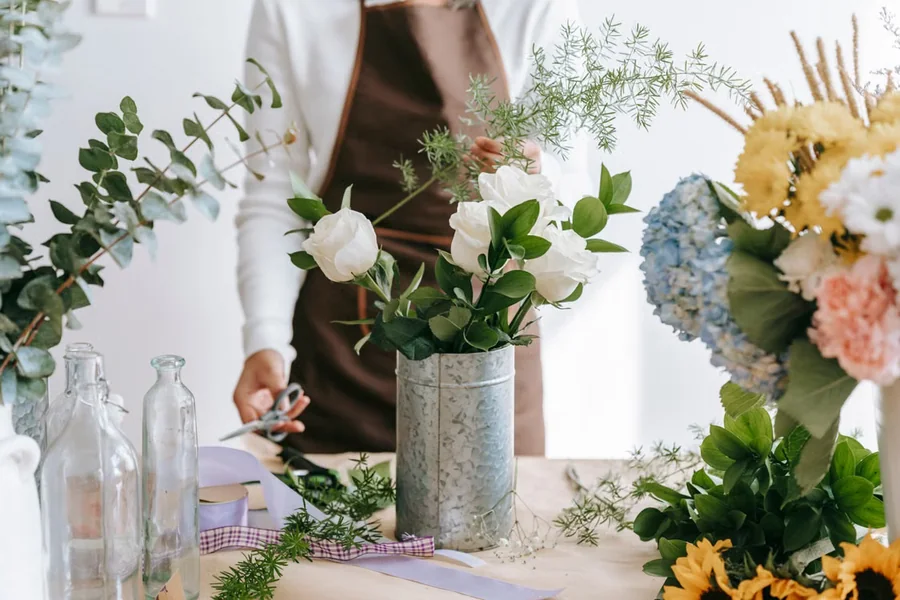
Long before text messages, instant messaging apps, or handwritten notes, people communicated their deepest feelings through subtle botanical arrangements. A single stem or a carefully assembled bouquet could quietly declare eternal devotion, express heartfelt regret, or offer steadfast loyalty without speaking a single word. Today, understanding flowers’ meaning remains a charming, thoughtful way to elevate personal gifts, wedding celebrations, and heartfelt everyday gestures.
Deciphering the unspoken dialogue of blossoms relies on the ancient art of floriography. Whether you want to celebrate a loyal friend, mend a strained relationship, or declare deep romance, learning botanical symbolism helps you choose the perfect arrangement for any emotional milestone. Here is your practical guide to understanding floral messages, color meanings, and classic symbolism.
What Is Floriography? A Brief History of the Language of Flowers
The fascinating practice known as Floriography, literally translated as the language of flowers, has rich cultural roots spanning centuries across Asia, the Middle East, and Europe. While coded floral communication existed in traditional Ottoman court customs, the art reached its cultural peak during the 19th-century Victorian era. Strict societal etiquette prohibited open displays of romantic affection or emotional vulnerability, prompting people to use bouquets as discreet tools for silent communication.
Victorian floral dictionaries meticulously assigned distinct emotional definitions to almost every known blossom, leaf, and herb. Even how a bouquet was delivered or accepted carried specific meaning. For example, holding flowers in the right hand answered a question positively, while holding them in the left indicated a gentle no. Modern Floriography continues to fascinate floral enthusiasts, helping us choose thoughtful arrangements that convey genuine emotion beyond mere surface aesthetics.
- Victorian Etiquette Rules: Coded floral arrangements allowed suitors and secret lovers to bypass strict social chaperones and convey deep emotional messages discreetly.
- Bouquet Presentation Placement: Handing a bouquet right side up signaled sincere affection, whereas presenting stems upside down inverted the traditional botanical meaning completely.
- Ribbon and Accent Details: Even the decorative ribbons binding a floral cluster carried meaning; ribbons tied to the left emphasized the sender’s feelings, while those on the right represented the recipient.
- Herb and Foliage Accents: Adding aromatic leaves like rosemary for remembrance or mint for wisdom added subtle secondary layers to primary floral messages.
Understanding this historical groundwork shows why selecting the right bouquet matters when crafting memorable personal gifts today.
Friendship Flower: Yellow Rose, Sunflower, and Chrysanthemum Meanings
Celebrating a loyal companion requires blossoms that radiate joy, warmth, stability, and mutual respect. While romantic relationships often take center stage in floral gifting, choosing an authentic friendship flower highlights the precious bond shared between close companions, supportive colleagues, and lifelong confidants.
Choosing bright, uplifting blooms communicates deep gratitude and appreciation for the people who stand by you through thick and thin.
- Yellow Rose Radiance: Recognized globally as a classic friendship flower, bright yellow roses symbolize genuine joy, warm hospitality, and pure platonic affection without romantic undertones.
- Sunflower Devotion: Towering, sun-facing sunflowers represent unwavering loyalty, radiant optimism, and enduring warmth between lifelong companions.
- Chrysanthemum Loyalty: In traditional botanical traditions, white and yellow chrysanthemums convey honesty, trust, optimism, and steadfast companionship.
- Zinnia Remembrance: Vibrant zinnias honor absent friends, making them a thoughtful choice when sending love across long distances.
- Alstroemeria Support: Often called Peruvian lilies, these long-lasting blossoms feature twisting leaves that symbolize mutual devotion and enduring strength in solid friendships.
If you’d like to explore different flower combinations before visiting a florist, click here for some inspiration.
Apology Flowers: White Tulips, Purple Hydrangeas, and Yellow Roses
When words fail to mend a hurt relationship, sending a thoughtful arrangement of apology flowers offers a quiet, sincere bridge toward forgiveness and reconciliation. Choosing blossoms that embody humility, peace, and earnest regret shows you value the relationship far more than personal pride.
Carefully chosen stems signal a genuine desire to clear the air, repair trust, and start fresh with open communication.
- White Tulip Purity: Elegant white tulips represent forgiveness, new beginnings, and peaceful intentions, making them a primary choice for sincere apologies.
- Purple Hydrangea Regret: Known for their voluminous clusters, purple hydrangeas express sincere, heartfelt remorse and deep gratitude for the recipient’s understanding.
- Yellow Rose Reconciliation: Beyond representing platonic joy, gentle yellow roses serve as wonderful apology flowers meant to restore harmony after minor misunderstandings.
- White Hyacinth Peace: Delicate white hyacinths carry a traditional message of prayerful hope, earnest remorse, and gentle reconciliation.
- Lily of the Valley Renewal: Fragrant white bell-shaped blooms represent a return to happiness and the restoration of emotional peace following conflict.
Pairing these peaceful blossoms with a simple, handwritten note creates a graceful gesture that opens the door toward healing damaged bonds.
Flower of Love: Red Rose, Peony, and Tulip Symbolism
Expressing romantic devotion remains the most famous application of botanical symbolism worldwide. Finding an iconic flower of love involves exploring different shades of passion, long-term commitment, domestic bliss, and delicate romantic courtship.
Whether celebrating a blossoming new romance or honoring a decades-long marriage, these romantic stems convey powerful emotional depth.
- Red Rose Passion: The universal flower of love, a deep red rose represents undeniable passion, romantic devotion, and classic timeless beauty.
- Peony Prosperity: Lush, full peonies symbolize a happy marriage, prosperity, honor, and enduring romantic good fortune in bridal arrangements.
- Red Tulip Declaration: In classic botanical lore, vibrant red tulips represent a direct, unequivocal declaration of true romantic love.
- Carnation Affection: Light red carnations symbolize gentle admiration, whereas deep crimson carnations express profound romantic longing.
- Orchid Elegance: Exotic orchids represent refined beauty, rare passion, structural perfection, and mature romantic strength.
Choosing a romantic flower that fits your partner’s unique personality ensures your gesture feels personal and unforgettable.
The Language of Flowers: How Color Changes the Message
Understanding general botanical definitions is only half the secret; flower color can dramatically transform the emotional message of any stem. The same blossom variety can convey wildly different feelings depending on whether its petals show deep red, soft pink, pure white, or vibrant yellow.
Mastering how color shades interact with traditional flower meanings ensures you never send unintended mixed signals to a friend, partner, or colleague.
- Red Petal Intensity: Deep red shades embody fierce passion, romantic desire, courage, and deep emotional strength across almost all floral varieties.
- White Petal Purity: White blossoms represent innocence, transparency, peace, spiritual reverence, and fresh beginnings free of past conflict.
- Pink Petal Elegance: Soft pink hues convey gentle grace, sweet admiration, playful happiness, and warm appreciation without heavy romantic drama.
- Yellow Petal Brightness: Yellow tones radiate cheerful energy, mental clarity, optimism, and warm platonic affection, though historical Floriography occasionally linked muted yellow shades to jealousy.
- Purple Petal Royalty: Luxurious purple blossoms symbolize dignity, artistic admiration, refined taste, mystery, and royal grandeur.
By selecting stems that reflect these empowering qualities, you can create meaningful bouquets that uplift, honor, and inspire the remarkable women in your life.
Learning the nuanced art of Floriography turns standard floral gifts into memorable, meaningful conversations. By taking time to understand color symbolism, historical definitions, and emotional nuances, you ensure every single stem you give carries genuine heart, purpose, and timeless elegance.