
Digital culture has changed how people express their identities, build friendships, and connect with others who share their interests. From choosing distinctive gaming usernames to joining online sports communities, people increasingly use digital platforms to create a sense of belonging beyond their immediate surroundings.
A gamer might spend time developing a memorable username that reflects their personality, humour, or favourite fictional character. A cricket supporter might join a fan community to discuss team selections, share match predictions, and celebrate memorable performances. Although these activities may appear different, both demonstrate how digital spaces allow people to develop identities and build relationships around shared interests.
Social media, gaming platforms, discussion forums, streaming services, and sports websites have made these interactions easier. They allow people to participate in communities, discover new interests, and maintain connections regardless of geographical distance.
Understanding the relationship between gaming identities and sports fandom provides a useful way to explore the wider influence of digital culture. It also reveals how online communities are changing entertainment, communication, and everyday consumer behaviour.
Why Digital Identity Matters in Online Communities:
Digital identity refers to the way people represent themselves through online profiles, usernames, avatars, posts, and interactions. Unlike face-to-face introductions, online communication often begins with a profile name or a short description.
These details may seem small, but they can influence how other users recognise and remember someone.
For gamers, a username can become an important part of their online identity. For sports fans, a profile picture, team-related nickname, or familiar username can signal their interests and help them connect with other supporters.
How Usernames Reflect Personality
Gaming usernames often combine humour, creativity, personal interests, and references to popular culture. Some players prefer simple names that are easy to remember, while others choose distinctive combinations of words, numbers, and symbols.
A memorable username can help a player establish a consistent identity across gaming sessions and online discussions. It may also make it easier for teammates to recognise them in multiplayer environments.
Sports communities use similar forms of expression. Supporters might choose usernames inspired by their favourite teams, players, memorable sporting moments, or local cricket culture.
These names can become conversation starters and help users discover others with similar interests.
However, digital identity is not limited to a username. The way people communicate, respond to other users, share content, and participate in discussions also shapes their reputation within a community.
How Gaming Platforms Create a Sense of Belonging:
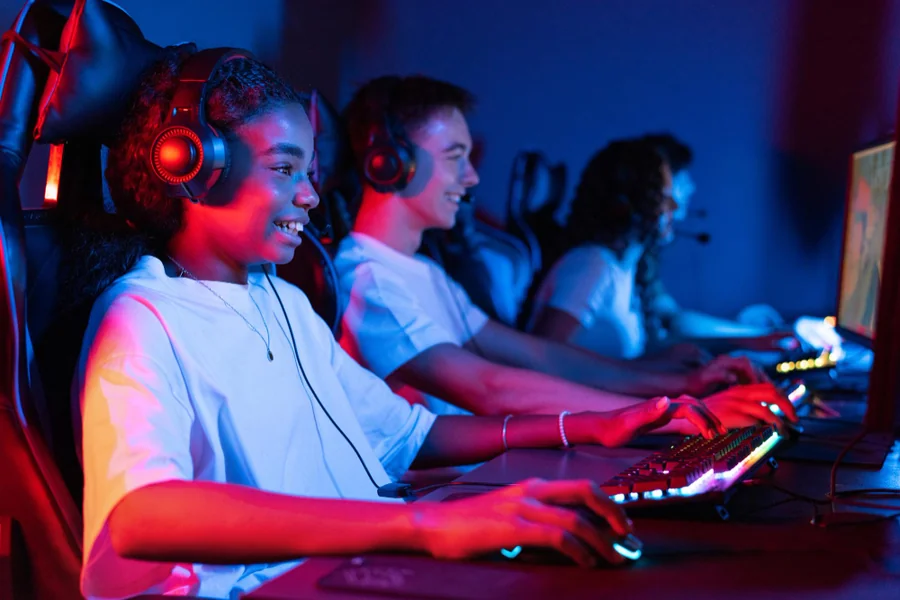
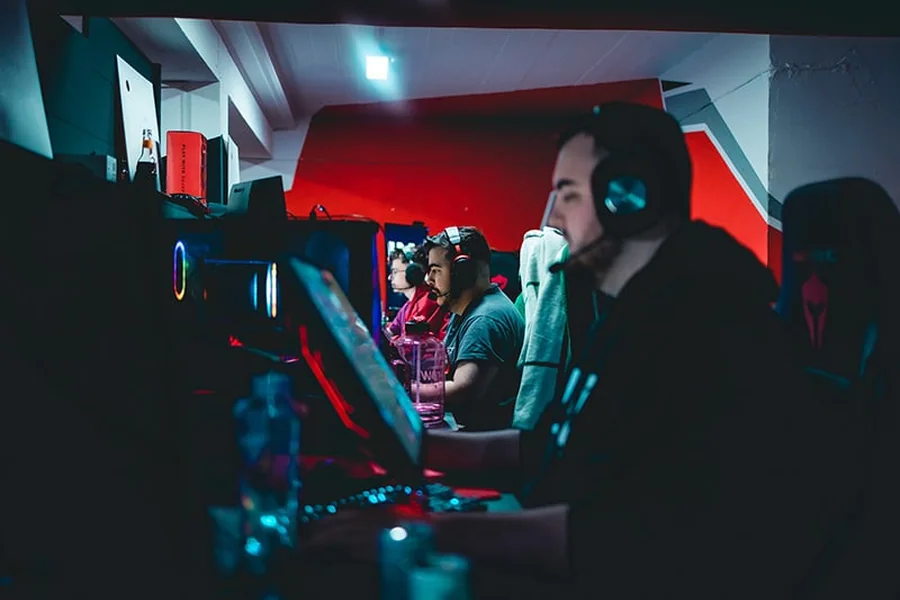
Online gaming has developed into a social activity for many players. Multiplayer games allow people to collaborate, compete, communicate, and develop relationships with teammates.
Voice chats, messaging systems, team-based challenges, and online tournaments encourage repeated interaction. Over time, players may become familiar with one another’s playing styles and communication habits.
Many multiplayer games depend on teamwork. Players may need to coordinate strategies, assign roles, solve problems, or work together to achieve a common objective.
These experiences can encourage communication and cooperation.
For example, a group of players might meet regularly to compete in an online tournament. As they become more familiar with one another, they may create a team identity, develop inside jokes, and establish shared routines.
The community can eventually extend beyond the game itself. Members may use messaging platforms or social networks to discuss updates, organise future sessions, and maintain friendships.
This demonstrates an important feature of digital culture: a shared activity can provide the starting point for relationships that continue outside the original platform.
The Connection Between Gaming Culture and Sports Fandom:
Gaming communities and sports fan groups share several characteristics. Both bring together people who enjoy a particular activity, identify with familiar symbols, and participate in conversations about events and personalities.
Gamers may discuss character abilities, game updates, competitive rankings, or tournament results. Sports fans may analyse player performance, compare team strategies, and debate decisions made during matches.
In both settings, participation goes beyond simply watching or playing. People become involved by sharing opinions, creating content, and interacting with others.
A person may begin following a sports team because of a family tradition, a memorable match, or an interest in a particular player. Social media can then introduce them to a wider community of supporters.
Similarly, a gamer might initially play alone before joining a group of people who share their interests.
As these connections grow, members develop common references, shared expectations, and traditions. These may include celebrating victories, discussing disappointing results, creating memes, or revisiting memorable moments.
The emotional experience of belonging to a community is an important part of this process.
However, not every online group creates the same experience. Healthy communities encourage respectful disagreement and participation, while poorly moderated spaces may expose users to harassment, hostility, or exclusion.
How Social Media Strengthens Sports Fan Communities:
Social media has made sports conversations more immediate and interactive. Fans no longer need to wait for a newspaper article or television discussion to share their reactions to a match.
They can post comments during a game, respond to interviews, share highlights, and discuss team news with supporters from different locations.
Real-Time Conversations Around Sporting Events
Live sporting events often create short periods of intense online activity. Fans may discuss a close finish, celebrate a record-breaking performance, or debate a controversial decision while the event is still taking place.
These conversations can make supporters feel connected to a larger audience, even when they are watching alone.
For example, cricket fans may follow a tournament through live updates, post-match discussions, team announcements, and fixture information. Websites that publish competition details can help fans understand when matches are scheduled and which teams are participating.
This is especially useful for supporters who cannot watch every match live. They can follow relevant updates and join discussions when they have time.
How Major Cricket Tournaments Bring Fans Together
Large cricket competitions attract audiences with different levels of knowledge and experience. Some fans closely analyse tactics and statistics, while others mainly enjoy the atmosphere, rivalries, and shared excitement.
India’s cricket culture provides many examples of how sporting events become social experiences. Friends may watch matches together, families may discuss team performances, and online communities may debate selection decisions or celebrate standout players.
For fans interested in following the competition, information about India’s biggest T20 league can provide a starting point for exploring IPL-related coverage and tournament information.
The wider appeal of major T20 cricket competitions lies not only in the action on the field but also in the conversations that develop around each match. Fans create jokes, discuss performances, share reactions, and build memories that become part of their sporting identity.
These shared experiences help transform an individual interest into a community activity.
How Digital Communities Influence Lifestyle Interests:
Online communities can influence more than gaming habits or sporting preferences. They also expose people to new hobbies, entertainment options, consumer products, and lifestyle ideas.
A discussion about gaming equipment might introduce users to new accessories. A sports community may share information about fitness activities or team merchandise. A creator’s post may encourage followers to research a product that they had not previously considered.
The influence depends on the community, its interests, and the quality of the information being shared.
The Role of Product Discovery
Digital platforms make it easier for consumers to discover products through search results, creator content, community recommendations, and online retail catalogues.
However, discovering a product is only the first step in making an informed purchase.
Consumers should compare relevant features, read product information, consider their budgets, and assess whether an item suits their needs. They should also distinguish between independent recommendations and paid promotions.
For adults researching vaping equipment, for example, an online collection of Pod Vape Kits may provide information about different refillable devices and their available features.
Vaping is not risk-free, and non-smokers should not start. Product research should not be confused with a recommendation to vape, and any purchasing decision should take account of health risks and applicable regulations.
More broadly, the growth of online product discovery shows how digital communities can connect entertainment interests with consumer behaviour. The most useful communities provide context and reliable information rather than relying entirely on promotional messages.
Memes, recurring jokes, catchphrases, and familiar references play a major role in digital communication.
They help communities express complicated reactions quickly and create content that members immediately recognise.
Gaming communities may use memes about difficult levels, unexpected defeats, or familiar character behaviours. Sports fans may create jokes about team rivalries, remarkable performances, or dramatic match endings.
These forms of expression can make online discussions feel more personal and entertaining.
Community Language Creates Recognition
Groups often develop their own vocabulary over time. A phrase that means little to an outsider may have a clear meaning to people who regularly participate in a particular community.
In gaming, this might involve terminology associated with a specific game or competitive format. In cricket fandom, it might refer to a famous innings, a memorable rivalry, or a recurring pattern in a team’s performances.
Using these references can help people recognise shared interests and participate more comfortably.
Nevertheless, community language can also exclude newcomers when important information is communicated through unexplained abbreviations or inside jokes. Welcoming communities balance familiar traditions with explanations that help new members participate.
The Role of Streaming and Digital Creators:
Streaming platforms and independent creators have created additional opportunities for communities to develop around shared interests.
Gaming streamers can interact with audiences while playing, answering questions, and discussing game updates. Sports creators can provide match analysis, explain rules, interview guests, or share perspectives on major events.
These formats allow audiences to participate rather than simply consume finished content.
From Viewers to Active Participants
A viewer might initially watch a gaming stream for entertainment but eventually begin joining discussions, sharing clips, or participating in community events.
A cricket fan might follow a creator for match analysis and later contribute comments, discuss statistics, or join a fan group.
These activities create different levels of participation. Some people prefer watching quietly, while others enjoy contributing regularly.
Neither approach is inherently better. A successful community makes room for different levels of involvement without pressuring members to remain constantly active.
Creators also influence the quality of these experiences. Accurate information, transparent sponsorship disclosures, and respectful discussion can help build trust. Misleading claims, excessive promotion, or personal attacks can damage it.
Digital Culture Can Connect People Across Geographic Boundaries:
One of the most significant features of online communities is their ability to connect people who would otherwise have limited opportunities to interact.
A gamer in one city can join teammates from different countries. A cricket supporter living abroad can discuss matches with fans in India. People who share an interest in a particular game, player, or team can find one another without needing to live in the same neighbourhood.
Online communities often include members with different languages, cultural backgrounds, ages, and experiences.
A shared interest can provide a common starting point for communication. People might exchange gaming strategies, explain sporting traditions, or introduce one another to new forms of entertainment.
These interactions can broaden perspectives and help users discover interests beyond their immediate social circles.
However, online interaction does not automatically eliminate cultural barriers. Language differences, stereotypes, and disagreements can still create misunderstandings.
Communities benefit when members communicate respectfully, avoid personal attacks, and remain open to different perspectives.
Challenges Facing Online Gaming and Sports Communities:
Digital communities can provide friendship, entertainment, and useful information, but they also face several challenges.
Harassment and Toxic Behaviour
Competitive gaming and passionate sports discussions can sometimes lead to aggressive behaviour. Users may attack others over performance, team loyalties, personal opinions, or disagreements.
Clear community guidelines, effective moderation, and responsible reporting systems can help limit this behaviour.
Members should also understand that criticism of a performance is different from personal harassment.
Misinformation and Unverified Claims
Rumours can spread quickly through gaming forums and sports communities. False reports about game updates, player injuries, tournament fixtures, or team decisions may be shared before reliable information becomes available.
Users should check original announcements and trustworthy sources before repeating claims.
For sports information, checking official competition communications can help reduce confusion when fixtures or timings change.
Privacy and Online Identity
A username can help users maintain a consistent identity without revealing every detail of their personal lives.
However, people should avoid sharing sensitive personal information publicly, including home addresses, financial details, passwords, or private contact information.
Using strong passwords, enabling available account security features, and reviewing privacy settings can help reduce avoidable risks.
A memorable online identity should not require sacrificing personal safety.
How Brands and Organisations Can Participate Responsibly:
Gaming communities and sports fan groups can also be valuable spaces for organisations seeking to understand their audiences.
Brands may use community discussions to learn about consumer interests, identify frequently asked questions, or understand how people respond to products and campaigns.
Sports organisations can use digital channels to share updates, promote events, highlight athletes, and answer supporters’ questions.
Relevance Matters More Than Constant Promotion
Communities are built around shared interests, not simply advertising opportunities. Promotional content that ignores a group’s purpose can appear intrusive and reduce trust.
Organisations should understand the audience before participating. A useful contribution might answer a question, provide verified information, explain a product feature, or support a relevant community event.
Transparency is important whenever a post is sponsored or intended to promote a product or service.
Brands should also respect platform rules, community guidelines, privacy expectations, and applicable advertising requirements.
Long-term engagement is more likely to be meaningful when organisations contribute relevant information instead of treating every interaction as a sales opportunity.
The Future of Digital Identity and Community Engagement:
Digital culture continues to evolve as platforms introduce new communication tools, interactive features, and content formats.
Gaming communities may develop more ways to organise events and collaborate. Sports fans may gain access to additional forms of match coverage, interactive discussions, and athlete-led content.
Personalised recommendations can also help users discover communities that match their interests. At the same time, recommendation systems may limit exposure to different perspectives if users encounter only similar content repeatedly.
Building More Inclusive Digital Spaces
The future of online communities will depend partly on how platforms balance personalisation, privacy, safety, and participation.
Communities that welcome newcomers, explain unfamiliar terminology, and moderate harmful behaviour can make it easier for people to participate.
They can also encourage a healthier balance between online activity and other parts of everyday life.
Digital identities will likely remain an important way for people to express interests and build connections. Whether someone chooses a creative gaming username or joins a cricket fan group, the underlying motivation is often similar: finding people who understand and share an interest.
The strongest communities will be those that turn these shared interests into respectful, useful, and enjoyable experiences.
Conclusion:
From gaming usernames to sports fan communities, digital culture demonstrates how shared interests can connect people across geographical and cultural boundaries.
Usernames and avatars help individuals express their identities. Multiplayer games encourage cooperation, while social media and sports platforms allow fans to discuss events, share reactions, and develop relationships around their favourite competitions.
Major cricket tournaments provide a clear example of how sporting experiences extend beyond the field. Fans connect through schedules, match discussions, highlights, memes, and shared celebrations, turning individual viewing habits into wider community experiences.
Digital platforms also introduce people to new lifestyle interests and consumer products, making it important to evaluate information carefully and distinguish genuine recommendations from promotion.
Ultimately, the value of digital culture lies not simply in the number of followers, posts, or interactions a community attracts. It lies in the connections people build, the knowledge they exchange, and the shared experiences that make online participation meaningful.