
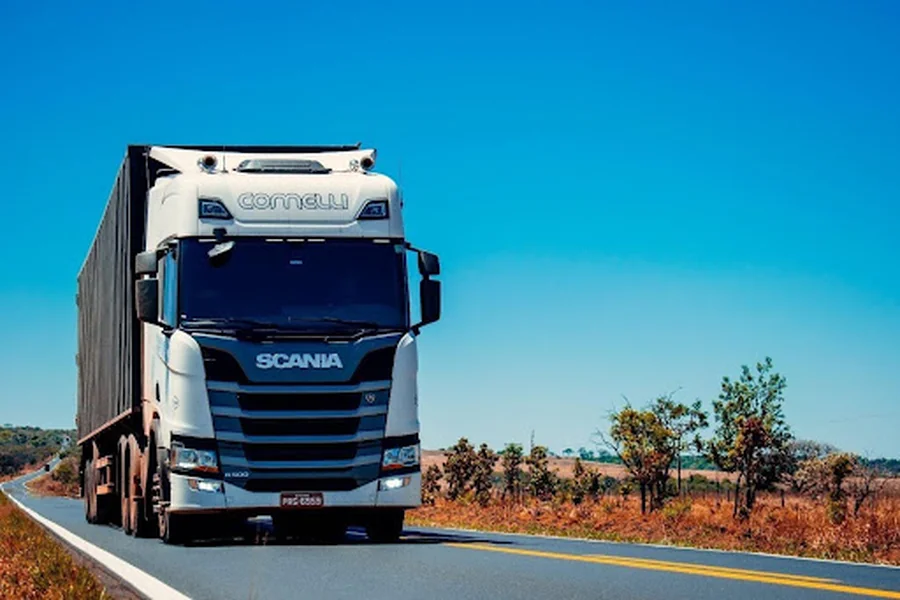
For decades, truck driving depended heavily on experience, paper records, radio calls, and careful planning. Today, technology has moved into nearly every part of the job. Nowadays, drivers have all kinds of technological tools that help them manage their hours, plan routes, contact dispatchers, conduct inspections, and respond to changes on the road.
Of course, these innovations may pose some difficulties. A driver should be able to adapt to these systems, respond to numerous notifications, and understand how their data is collected and processed.
With the continuous advancement of technology, the everyday experience of a truck driver becomes increasingly technology-driven. Innovations like electronic logging devices, GPS systems, telematics, digital inspection, and driver assistance systems transform a driver’s work on and off the road.
These innovations can minimize paperwork, ensure safety, and facilitate communication. However, they impose new demands on drivers who must become accustomed to the technological nature of their workplace.
Here is how technology is changing the day to day work of the truck drivers.
1. Electronic Logging Makes Recordkeeping More Digital
The first change that one notices in trucker news is the transition from manual paperwork to electronic logging. This means electronic logging devices are used to record drivers’ hours of service, thereby maintaining the required records. The driver will not have to log all his duty status changes manually, but will use electronic logging.
This makes things easier for the drivers, as they do not have to fill out any paperwork. Nevertheless, the driver needs to be aware of the system, how to check their records for any errors, and how to comply with the applicable hours-of-service rules. Recent actions by the regulators on the use of electronic logging devices are proof of this statement.
2. GPS Technology Changes Route Planning
Traveling from one place to another constitutes a significant aspect of what a truck driver is expected to do. The use of GPS and computerized navigation technology has increased the speed and flexibility of route planning. Drivers can get directions based on their location and reroute if disruptions occur along the intended route, such as traffic or road closures.
In addition, today’s navigation devices can provide relevant information for commercial drivers. The route decision might take into account several factors specific to trucks, such as limitations and road conditions. Therefore, drivers do not have to spend too much time searching for printed maps or repeatedly calling for directions. Technology does not replace the driver’s responsibility for the safety of the decision-making process.
3. Telematics Provides More Information About Driving
Technology has also changed the way drivers and trucks are monitored. Telematics devices can gather data on vehicle movements, positioning, fuel economy, incidents, safety issues, and other performance indicators. These data help managers to gain better insight into what goes on during the journey.
For drivers, this means that any hard braking, speeding, abrupt lane changes, and other driving-related events could be recorded and analyzed. Recent industry research indicates that safety is the most common application of telematics for trucks. Fuel efficiency, idling time, driver utilization, and maintenance are also aspects monitored by many fleets.
As a result, technology can provide drivers with more feedback about their performance. However, it may raise privacy and excessive-control concerns. Thus, the importance of such systems does not rely solely on the data-gathering process but also on proper data management.
4. Digital Inspections Can Simplify Vehicle Checks
Automotive inspections represent another realm of operations where changes are constantly occurring due to technological advances. The use of digital inspections allows a driver to maintain electronic records of their car without relying solely on paperwork.
The driver can report any defects, send the inspection results, and ensure that the relevant information is available to the appropriate staff members. Thus, the reporting process may be faster as well, since a driver can instantly notify others of any problem identified during an inspection without waiting to return to the terminal.
In addition, telematic systems can be used for preventive maintenance, since the data can reveal much about the engine and the vehicle as a whole. Recent studies of the transport industry reveal that telematic data is currently used for preventive maintenance and engine health monitoring purposes.

5. Communication With Dispatch Is Faster
Communication technology has also altered the way that drivers interact with dispatchers or fleet managers. Rather than relying largely on radio communications or phone calls, drivers can use mobile applications and digital communication technologies to receive updates and report information.
This technology will allow drivers to more easily receive updates on loads, route changes, delivery information, and schedules. Communication technology can also assist in notifying dispatchers of delays or other issues while on the job.
However, communication technology can also overwhelm the driver with too much information during the day. For this reason, communication technology needs to enhance communication without interfering with the job.
6. Driver Assistance Technology Supports Safer Driving
The other innovation worth mentioning is driver assistance technology. Advanced trucks may have systems installed to assist drivers in detecting potential hazards, staying in their lane, observing surrounding traffic, or handling specific emergencies.
Driver assistance systems are meant to complement the efforts of drivers but not to substitute for them. A truck driver should still be able to control their vehicle and react to different road conditions.
Moreover, some trucking companies implement technologies that detect dangerous driver behavior, such as distraction. Investigations into more sophisticated driver assistance systems raise new challenges related to potential false alarms, privacy concerns, and the use of driver data.
7. Technology Helps Drivers Manage Fuel and Efficiency
Fuel costs account for a large share of operating costs in trucking, and technology is becoming an important tool for improving fuel efficiency. Telematics can record performance metrics such as fuel usage, miles per gallon, idle time, and other variables that affect operating costs.
Drivers have an opportunity to obtain better insight into how their performance impacts fuel efficiency. For example, excessive idling, aggressive acceleration, and speeding may all increase fuel consumption. Analysis of performance data may help identify opportunities to improve fuel efficiency.
Additionally, route and load data will be useful in making decisions regarding how to use trucks and drivers. Research in the industry suggests that fuel efficiency and miles per gallon are some of the most commonly analyzed telematics metrics.
Conclusion
The modern world of trucking is changing in terms of the role technology plays. Instead of remaining in the background, technologies become an integral part of drivers’ work from the start of the shift until the truck arrives at its destination. Digital logs help with paperwork, GPS helps plan routes, telematics provides performance data, digital inspections make communication easier, and driver assistance technologies make everything even safer.


Pingback: Avoidable Errors When Upgrading Your Cs2 Skins