
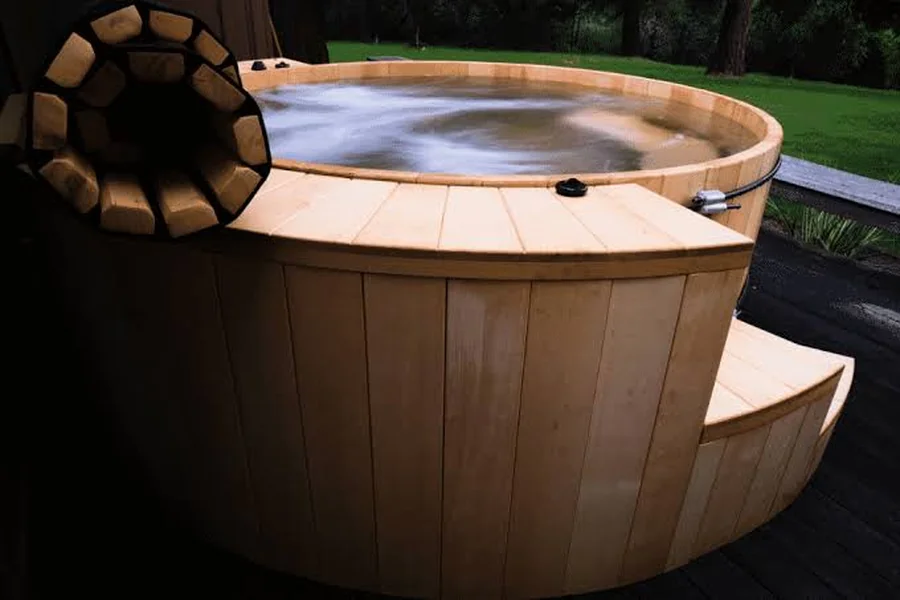
A wooden hot tub is a serious purchase, and anyone weighing one up wants to know the same thing before they commit: how many years of use will it actually give back? The honest answer is that a well-built wooden hot tub, properly looked after, can last well over a decade and often two, but the range is wide, and what you do after you buy matters as much as what you buy.
What Determines a Wooden Hot Tub’s Lifespan
The headline number depends on three things: the quality of the wood and build, the type of liner inside, and the care the tub receives. Get all three right and you are looking at fifteen to twenty years or more. Neglect any of them and you can halve that.
The wood itself is the frame of the story. Hardwoods and quality softwoods treated for outdoor use resist rot, insects, and the constant cycle of wetting and drying that an outdoor tub endures. Cheaper, untreated timber looks the same on day one but degrades far faster once the weather and the water get to work on it. This is why the initial build quality is not a place to cut corners if longevity is what you want.
The Liner Is the Hidden Hero
Many people assume the wood is what fails first, but in practice the liner is usually the component that determines when a tub needs significant work. The liner is the waterproof layer that holds the water and protects the timber from constant saturation. Its material makes a real difference to how long the whole tub lasts, and understanding the typical wooden hot tub lifespan by liner type is the clearest way to set your expectations before you buy.
Polypropylene liners sit at the more affordable end. They do the job and are easy to replace, but they tend to last in the region of seven to ten years before they show wear. Fibreglass liners move up a tier, offering a smoother, more durable surface that commonly lasts ten to fifteen years. Acrylic liners are the premium option, with a hard, glossy, highly resilient surface that often lasts fifteen to twenty years and resists staining and fading better than the alternatives.
The practical point is that the liner can usually be replaced without discarding the whole tub. So a tub with a well-maintained wooden structure can be given a new lease of life with a fresh liner, extending its total service far beyond the life of any single liner.
How Maintenance Changes the Equation
Care is the variable that owners control, and it has the biggest effect of all. Water chemistry is the foundation. Keeping the pH balanced and sanitiser levels correct prevents the water from becoming corrosive or encouraging bacterial growth that stains and degrades surfaces. Letting the chemistry drift is the fastest way to shorten a liner’s life and leave the water unpleasant to sit in.
Cleaning matters too. Wiping down the waterline where oils and residues collect, rinsing filters regularly, and replacing them when they are spent all keep the system healthy. Covering the tub when it is not in use protects both the water and the wood, keeps debris out, and retains heat so the heater works less and lasts longer.
The wood benefits from its own attention. Periodic treatment with an appropriate oil or sealant keeps the timber protected against the elements, preserving both its appearance and its structural integrity. A tub that is cleaned, chemically balanced, covered, and treated will comfortably outlast one that is simply filled and forgotten.
Climate and Placement
Where the tub lives also plays a part. A tub exposed to relentless sun will see its surfaces fade and its wood dry faster unless protected. A tub in a damp, shaded spot with poor drainage sits in moisture that encourages rot at the base. A level, well-drained site with some shelter from the harshest weather gives the tub the easiest possible life. Placing it thoughtfully at the outset saves problems later.
Is a Wooden Hot Tub Worth It?
Set against the lifespan, the value proposition becomes clear. A quality wooden hot tub that lasts fifteen to twenty years, with a liner replacement somewhere in the middle of that span, spreads its cost across a long period of regular use. The character and natural appearance of wood, which many buyers prefer over moulded plastic shells, come with genuine durability when the tub is built and maintained well.
The key is to go in with realistic expectations. Buy quality, choose the liner that matches how long you want the tub to last and what you are willing to spend, and commit to straightforward routine care. Do that, and the question stops being how long will it last and becomes how long do I want to keep it.
Frequently Asked Questions
How long does a wooden hot tub last on average?
A well-built, well-maintained wooden hot tub typically lasts fifteen to twenty years or more. The exact figure depends on build quality, liner type, and how consistently it is cared for.
Which liner lasts the longest?
Acrylic liners last the longest, commonly fifteen to twenty years. Fibreglass sits in the middle at ten to fifteen years, and polypropylene lasts around seven to ten years but is the most affordable and easy to replace.
Can I replace just the liner instead of the whole tub?
Yes. In most cases the liner can be replaced while keeping the wooden structure, which extends the tub’s overall life well beyond that of any single liner.
What maintenance has the biggest impact on lifespan?
Water chemistry is the most important factor. Keeping pH and sanitiser balanced protects both the liner and the water quality. Covering the tub, cleaning filters, and treating the wood also make a significant difference.
Does where I place the tub affect how long it lasts?
Yes. A level, well-drained site with some shelter from extreme sun and persistent damp gives the tub the best chance of a long life. Poor drainage and constant harsh exposure shorten it.
A wooden hot tub rewards a little knowledge at the point of purchase and a little care afterwards. Understand the liner options, buy a tub built to last, and look after it, and you will get many years of use from one of the most enjoyable additions a garden can have.