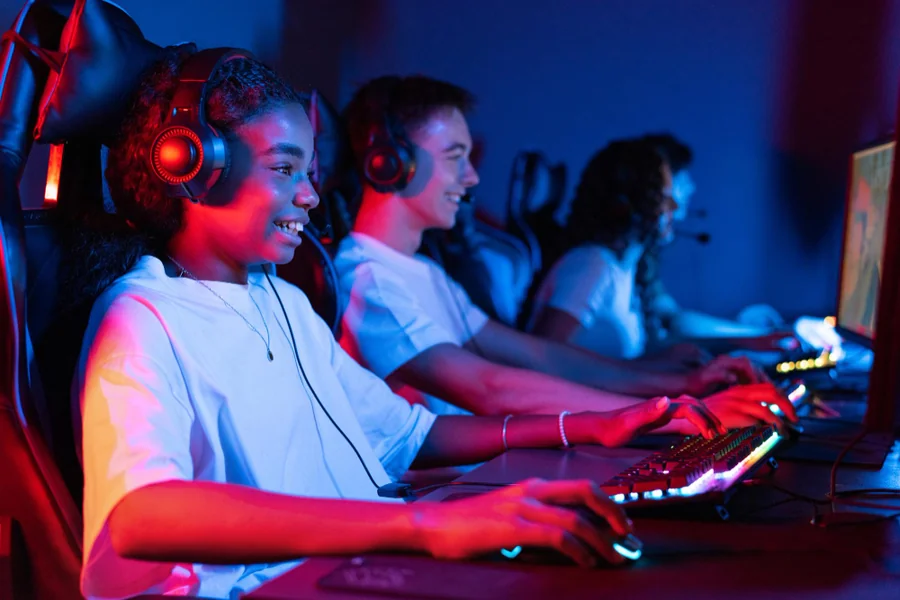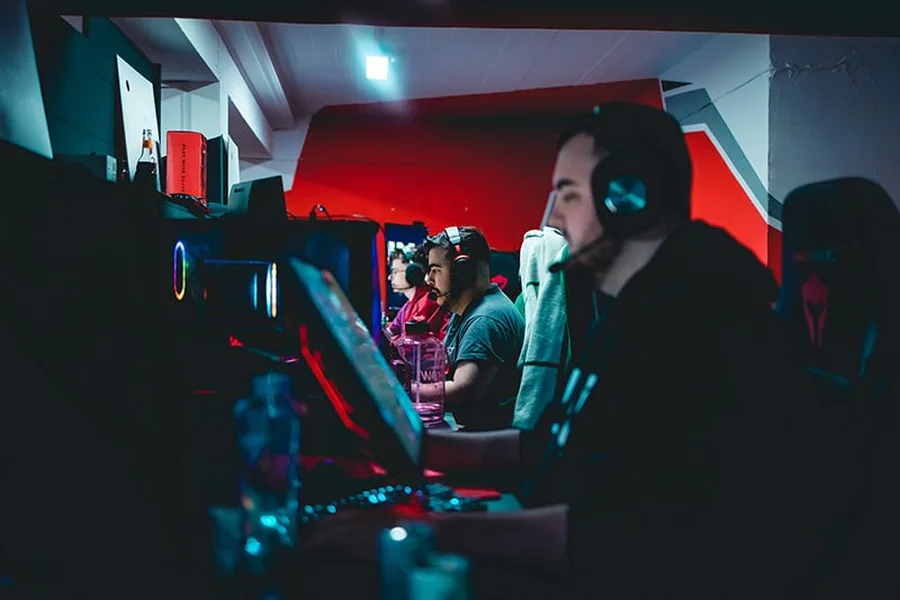

How did online gaming become a place where skill, strategy, and social play matter so much? The answer starts with the way games moved beyond simple reactions and started rewarding planning, timing, communication, and steady improvement.
That shift changed how people think about play. A match is no longer just a quick distraction, because many online games ask players to read situations, adapt fast, and work with others under pressure.
As game design improved and internet access became more common, online play turned into a space where individual ability and group coordination could matter at the same time. That mix made gaming feel more active, more competitive, and more social than older forms of play.
Contents
Skill Became Part Of The Fun
Online gaming started rewarding repeat practice in a way that felt clear and measurable. Players could see their accuracy improve, their timing tighten, and their decisions become sharper from one session to the next.
Reaction Time And Precision
Many online games ask players to act within seconds, so fast reactions became a real advantage. That speed matters, but so does precision, because one mistimed move can change the result of an entire match.
Players also learned that raw speed is not enough on its own. Good aim, careful movement, and steady control often separate strong play from rushed play, which gives skill a visible shape.
Practice Creates Clear Progress
One reason online gaming stayed popular is that progress feels earned. A player can return after a few days or weeks and notice better map awareness, cleaner decisions, or smarter use of tools and abilities.
That kind of feedback keeps players focused on improvement. Every mistake becomes data, and every good outcome shows that practice can change results in a direct way.
Strategy Shaped How Players Think
Online games soon became less about random action and more about smart choices made under pressure. That made planning just as useful as fast hands.
Reading The Situation
Good players often win by noticing what others miss. They track patterns, predict movement, and choose safer or stronger options based on what is happening right now.
This kind of thinking turns each match into a mental exercise. Players are not only reacting to events, because they are also trying to stay one step ahead of opponents.
Resource Use And Timing
Strategy also shows up in how players manage limited tools, time, and opportunities. Using a special ability too early can waste it, while holding it too long can leave a player exposed.
That timing problem adds depth to online play. Players have to decide not only what to do, but also when to do it for the best result.
The same idea appears in social spaces around gaming too, including places where people compare setups, discuss match habits, or share a link slot that points to a useful reference for structured planning. Small choices like that can shape how people prepare before they play.
Social Play Made Online Gaming More Human
Online gaming became more than a test of skill because it brought people into shared spaces. Teamwork, chat, and shared goals changed the feel of play in a big way.
Teamwork Changed Match Outcomes
In many games, success depends on how well players support each other. Good communication helps a team coordinate attacks, protect weaker positions, and avoid mistakes that a single player could not fix alone.
This makes social ability part of performance. A calm player who shares information clearly can improve the whole team, even without being the most advanced player in the match.
Friendships Grew Through Repeated Play
Online games also created regular contact between people who might never meet offline. Playing together over time can build trust, shared jokes, and a strong sense of familiarity.
That social layer gives gaming staying power. People often return not only for the match itself, but also for the group dynamic that forms around it.
Competition Pushed Players To Improve
Competition gave online gaming a stronger structure and a clearer purpose. Once rankings, rankings-like results, and head-to-head formats became common, players had stronger reasons to improve.
Pressure Builds Better Decision-Making
Competitive settings create pressure, and pressure reveals habits. A player who panics in a tight moment may lose control, while a player who stays calm can keep making useful choices.
That pressure teaches discipline. People learn to stay focused, avoid careless moves, and recover quickly after setbacks instead of giving up after one bad round.
Learning From Other Players
Competition also gives players examples to study. By watching how others position themselves, pace their actions, or respond to danger, players can improve their own approach.
For many people, a strong match against skilled opponents is more useful than easy wins. Hard matches show exactly where a player needs to improve and which habits are still holding them back.
The social side of gaming grew stronger because people could gather without being in the same place. That made play easier to organize and gave communities more room to form.
Shared spaces also gave players a place to compare notes after matches, talk through mistakes, and plan future sessions. That kind of communication adds depth to play because it turns isolated matches into ongoing group activity.
Some players even use a demo slot as a reference point for trying new formats in a low-pressure setting, which can help people understand mechanics before they commit to more serious matches. That kind of step can make online play feel more approachable.
Why Online Gaming Still Matters Today
Online gaming keeps growing because it combines several types of reward at once. It gives players a chance to improve personal skill, think through strategy, and spend time with other people in a shared setting.
That blend makes the experience more durable than simple entertainment. Players come for the match, stay for the learning, and return for the people they meet along the way.
It also explains why online gaming feels so different from passive media. Players are not just watching events happen, because they are shaping outcomes through judgment, practice, and communication every time they join a game.