
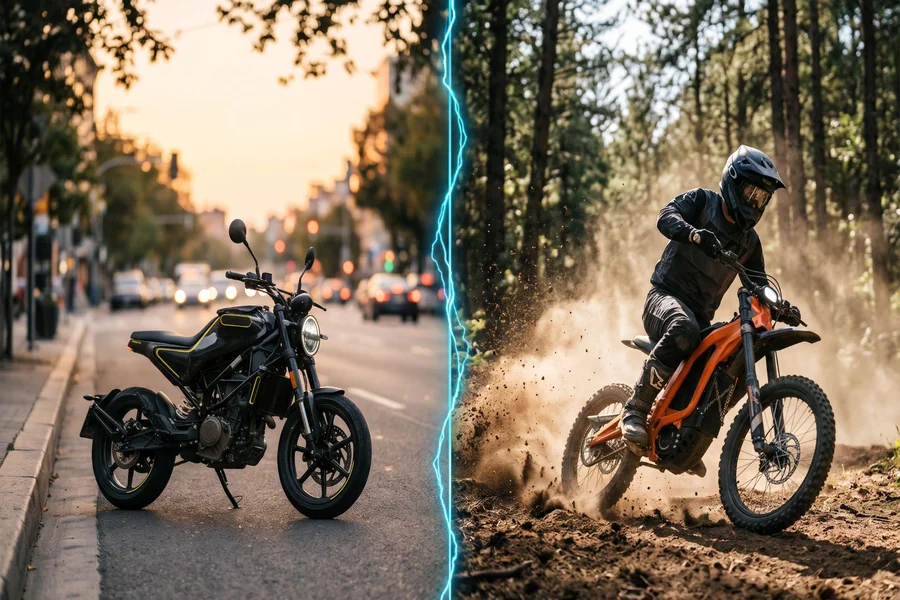
Electric two-wheelers have gone from novelty to mainstream in just a few years. However, the first big decision still trips up many new buyers. Should you pick a street-ready electric motorcycle or a trail-hungry dirt bike?
Both run quietly, cost little to charge, and skip engine oil changes. Still, each one serves a very different kind of rider.
This guide breaks down the factors that matter most, from motor power to budget. As a result, you can shop with confidence and avoid a costly mismatch.
Start With Your Riding Style and Terrain
Your daily routes should shape every other choice. For example, a commuter faces pavement, traffic lights, and parking lots. A weekend rider, by contrast, may chase dirt trails, sand, and rocky climbs.
Street riders need comfort, lights, mirrors, and a steady ride at higher speeds. Trail riders, on the other hand, need a light frame, long suspension travel, and knobby tires. If you want both, look for a versatile build with all-terrain tires.
Before you browse, list where you will ride most often. Then rank your top three needs, such as range, speed, or portability. That short list will narrow your options quickly.
Electric Motorcycle vs. Electric Dirt Bike: Key Differences
An electric motorcycle focuses on road comfort and stability. Generally, it offers a cushioned seat, road tires, and a planted feel at speed. Many models also include racks, lights, and turn signals for daily errands.
An electric dirt bike puts agility first. It uses a slimmer frame, knobby tires, and long-travel suspension to soak up bumps. Its lighter build also helps you weave around roots and rocks.
The seating position differs, too. Street models let you sit upright for long, relaxed rides.
Dirt bikes, however, encourage you to stand on the pegs and shift your weight. Consequently, they reward active riders who enjoy a physical challenge.
Motor Power and Top Speed: Match Them to Your Skill
Motor ratings can look confusing at first. Many brands advertise peak wattage, which reflects short bursts of power. Rated or continuous wattage, meanwhile, shows what the motor sustains over longer rides.
More watts usually bring faster acceleration and stronger hill climbing. Torque matters just as much, especially on steep climbs and loose dirt.
However, beginners rarely need a 50 mph machine on day one. Instead, look for adjustable speed modes that let you build skill gradually. For instance, the HappyRun F18 2.0 offers three speed levels: 17, 28, and 46 mph.
Battery Capacity, Range, and Charging Time
Battery size decides how far you can ride before plugging in. To estimate capacity, multiply voltage by amp-hours to get watt-hours. A 72V 30Ah pack, for example, stores about 2,160 watt-hours.
Still, the advertised range rarely matches real life. Rider weight, speed, hills, and cold weather all drain a battery faster. Therefore, treat the claimed figure as a best-case number, not a promise.
A removable battery lets apartment dwellers charge indoors without hauling the bike upstairs. Consider the HappyRun G100 Pro, which pairs two removable 72V batteries for up to 78 miles.
Also, check charging time, since some packs need a full night to refill. Finally, look for UL 2849 certification, a key safety standard for e-bike electrical systems.
Suspension, Brakes, and Tires for Safety and Control
Quality components keep you safe when the ride gets rough. Start with suspension because it controls comfort and traction. Adjustable front forks and a rear shock help both street and trail bikes absorb impacts.
Brakes deserve equal attention. Hydraulic disc brakes stop harder and need less hand effort than mechanical ones. Larger rotors, such as 180mm or 203mm discs, also resist fading on long descents.
Tires complete the picture. Wide road tires grip pavement and roll smoothly on city streets. Conversely, knobby off-road tires dig into mud, gravel, and loose soil.
In short, pick the tread that matches your usual terrain, not the toughest-looking one.
How to Find an Affordable Electric Motorcycle Without Cutting Corners
A lower price should never mean weak safety or poor support. To begin with, set a firm budget and then compare what each dollar buys. Look closely at battery capacity, brake quality, warranty length, and parts availability.
A smart way to save is to skip features you will rarely use. For example, a short-distance commuter may not need the biggest battery available. Even so, a well-built affordable electric motorcycle should still include hydraulic brakes and reliable lights.
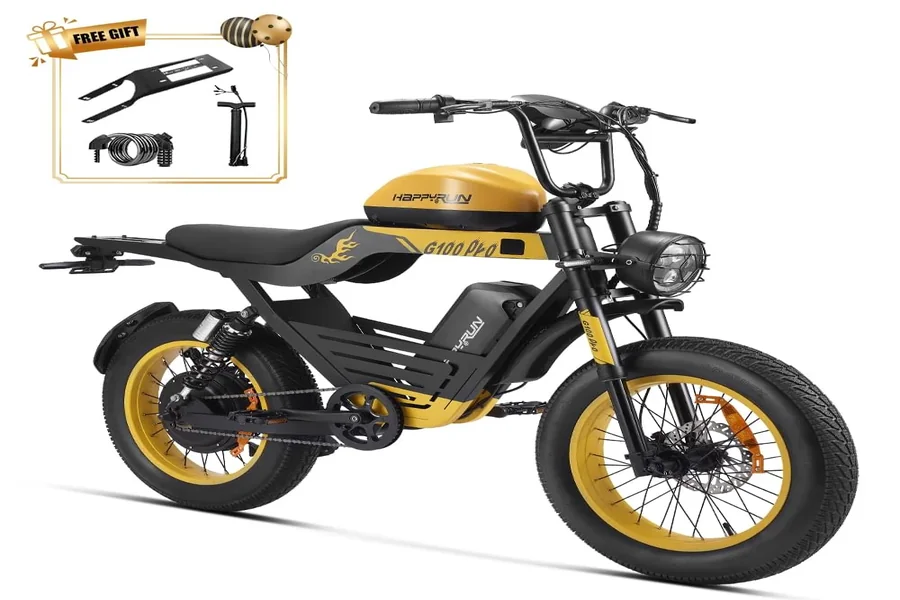
Don’t forget the hidden costs, either. Budget for a helmet, gloves, a sturdy lock, and possible registration fees.
Additionally, compare shipping costs, return windows, and financing options before you check out. These details often separate a good deal from a frustrating one.
Why HappyRun Deserves a Spot on Your Shortlist
HappyRun offers electric rides for both pavement and dirt, so you can compare styles in one place. Its lineup ranges from beginner-friendly trail bikes to powerful machines for seasoned riders.
For example, the mid-drive G300 SE Ultra targets both teens and adults. Distance lovers, meanwhile, can pick the G18 Pro, which offers up to 75 miles per charge. At the top end, the G300 Pro delivers 6500W of peak power and a 50 mph top speed.
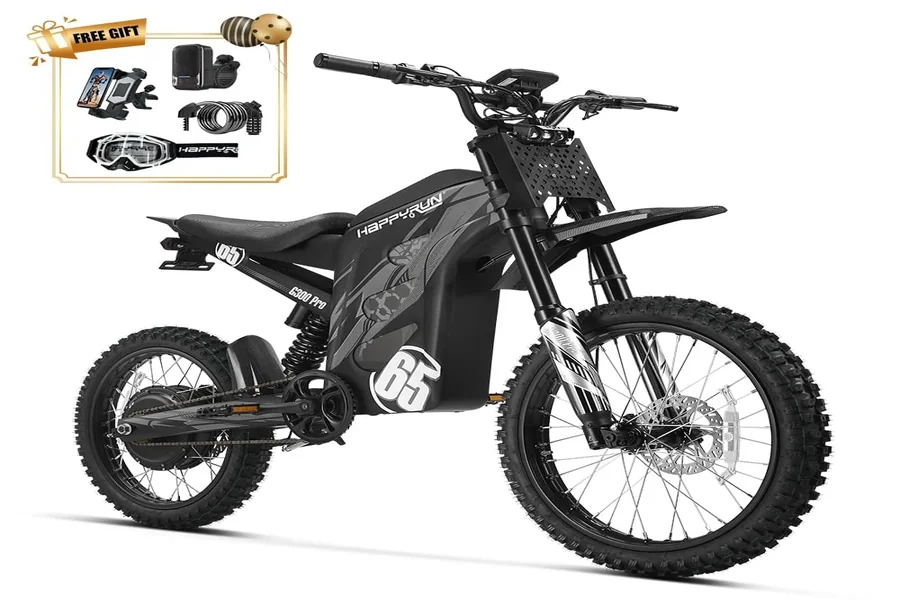
Beyond the bikes, HappyRun supports buyers with a 2-year limited warranty and a 14-day return window. The brand also offers free shipping across the contiguous U.S. and flexible financing. Better yet, more than 100 U.S. dealers provide free test rides and local service.
Check Local Laws and Gear Up for Safety
Electric two-wheeler laws vary widely by state and city. Many high-powered models exceed Class 3 e-bike limits, which cap assisted speed at 28 mph. In fact, HappyRun designs its dirt bikes for off-road riding on trails and private land.
Street riding also brings its own rules. Depending on where you live, you may need registration, insurance, or a motorcycle license. For this reason, check your state DMV website before your first ride.
Safety gear matters on every surface. At a minimum, wear a certified helmet, gloves, eye protection, and sturdy boots. Trail riders should also add knee guards, elbow pads, and a chest protector.
Final Thoughts on Choosing Your Electric Ride
Choosing between an electric motorcycle and a dirt bike starts with honest answers about your riding habits. First, define your terrain and skill level.
Next, compare power, range, components, and total cost side by side. Finally, read the warranty terms and confirm local laws before you buy.
Take your time and test-ride whenever you can. After all, the right electric ride should feel exciting, safe, and easy to own. Choose wisely, and every trip becomes the highlight of your day.