
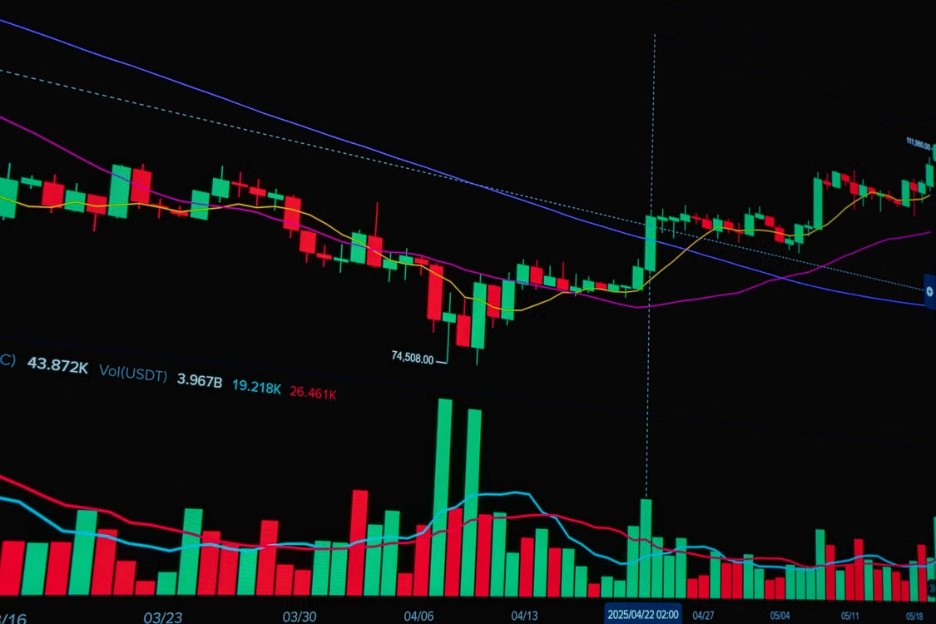
Leverage in Forex trading is a double-edged sword because it amplifies your trading power. This can increase your gains or magnify your losses. You control large market positions with a smaller deposit, maximizing potential profits. Similarly, when minor markets move against your position, you can deplete your account in hours.
However, when the broker injects promotional credit into your trading account, it instantly alters the relationship between purchasing power, account balance, and total equity.
The actual test of bonus accounts happens during floating drawdowns. During these moments, the interaction between margin and equity requirements determines survival. Brokers calculate stop-out and call margins against real-time equity. Every pip move against an open trade draws your account closer to automated liquidation while reducing the margin.
Stay tuned to understand equity rules, leverage, and margin requirements for forex bonus accounts.
Equity Adjustments and Withdrawal Rules
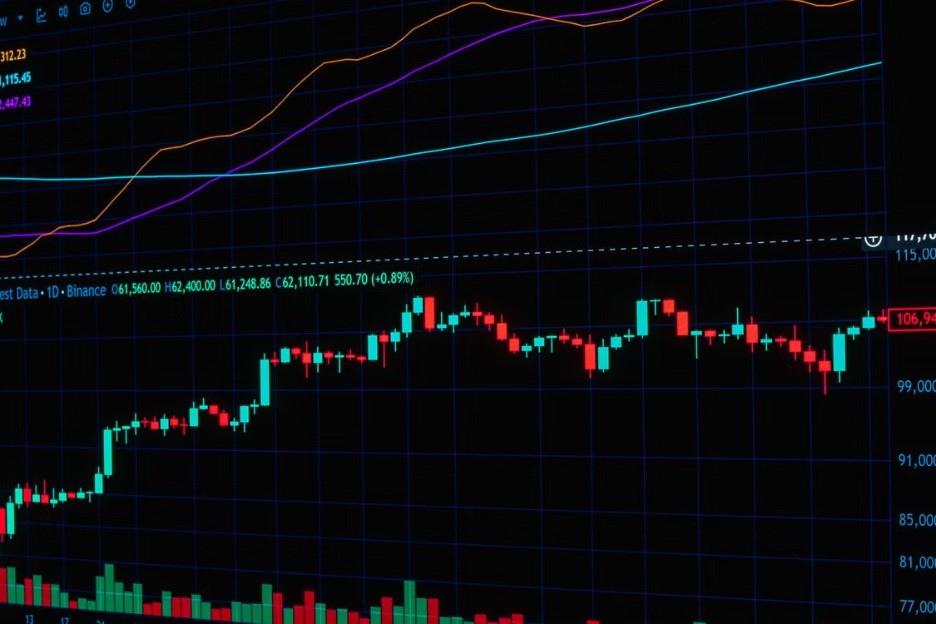
Trading on bonus-funded accounts requires understanding withdrawal rules and equity adjustments.
Profits generated when trading with promotional bonus credit or deposited funds are yours. You can withdraw these funds without any strict requirements. The original deposit remains your property, and you can pull it out through standard payment methods without any challenge.
Promotional credit is trading leverage, and you cannot cash it out. Many brokers will remove your bonus credit when you withdraw money from the account. Money deducted from a trading account impacts equity and can close open positions. That said, withdrawals should not affect your remaining funds.
If you have questions about the withdrawal terms for a specific bonus credit, contact the platform help center for guidance and quick solutions.
Leverage and Position Sizing
Leverage is your trading account’s financial force multiplier, expanding the buying power relative to your capital. Your broker requires a small percentage of the total account value when trading at an extreme ratio such as 1:1000 on micro and standard accounts. When you purchase a micro-lot at this leverage ratio, your margin remains at $1 instead of $1000. The lower initial outlay makes it easier to enter a live market, diversify across instruments, and hold active positions.
Although higher leverage reduces the financial barrier to opening positions, it can also compress your margin for error. Trade volume and position sizing connect to the contract’s total value. It is the full $1,000 market exposure that affects floating profits and losses, not the $1.00 margin. Controlling multiple or larger position sizes relative to your limited account balance means that when the market moves against the entry price, it will drain the remaining free margin. This can draw down your account faster and trigger an automated stop-out and margin call.
Equity & Drawdown Mechanics
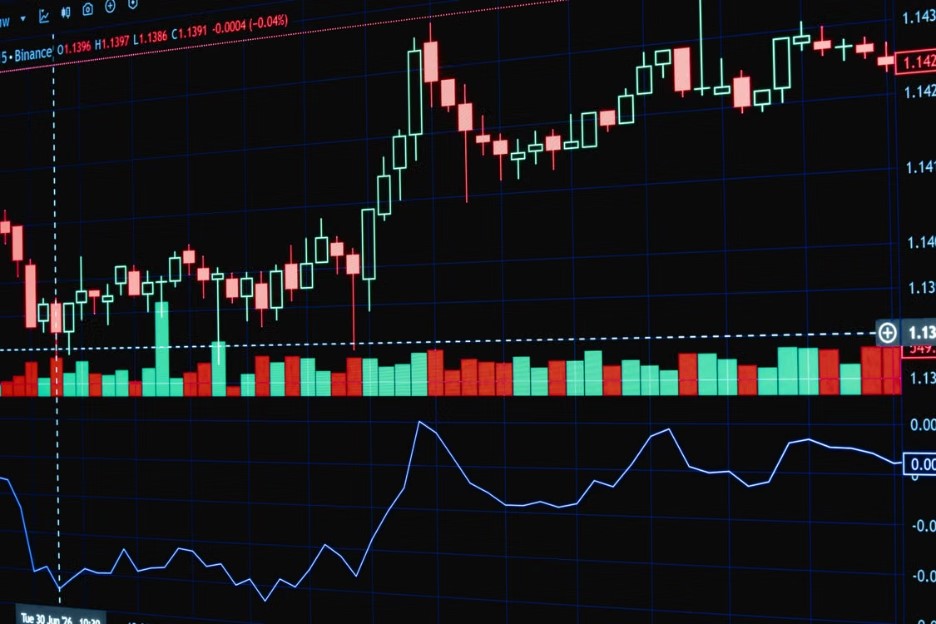
The drawdown support factor usually determines whether promotional funds act as temporary leverage or genuine trading capital. Promotional credit remains in your account even when trades move against you and wipe out the rest of your capital. These funds can absorb floating losses, giving your trades extra room to recover before hitting a stop-out. In this system, available trading power is in your bonus credit and deposit, adjusted for floating losses and profits.
The non-tradable bonus structure is different because it offers no cushion against price drops. A broker will cancel and remove the bonus credit after the account equals or falls below the bonus amount. Since the promotional money vanishes when a trade comes under stress, it is beneficial when you open larger positions. Sudden equity loss can reduce usable margin without warning, exposing vulnerable positions to liquidation risk.
Free Margin Vs Required Margin

Brokers usually split your deposit and bonus credit into free margin and used margin when trading on a bonus-funded account. Used margin is the capital reserved by the broker as collateral to keep current trades open. Higher leverage reduces the collateral per trade, so when you open a micro position, the broker will lock away a smaller fraction of your account balance. However, remember that reserved funds are unusable until you close the trade.
Free margin is the account equity remaining after the broker subtracts the used margin. It is that figure that represents your account’s breathing room. It determines the ability to open new positions and absorb floating losses when market prices move. For this reason, when your free margin is active, your trades will always stay active. However, when the market moves against your position and eats up your free margin, your account will approach automatic stop-out or a margin call.
Wrapping Up
Users navigating bonus-funded forex accounts should look beyond the figure. They should understand what drives these figures and what can lead to losses. That means studying leverage mechanics, equity rules, and margin requirements. You should understand how leverage ratios and promotional credits affect your purchasing power. Your profitability with a bonus account depends on your discipline level.
Ensure you master the relationship between floating equity, margin, and free margin. Knowing these forex trading terms can help you protect your account from premature liquidations. It can also help you navigate market volatility with more confidence. Knowing how drawdown limits work and how deposits and profits impact remaining credits can also affect your promotional incentives.