
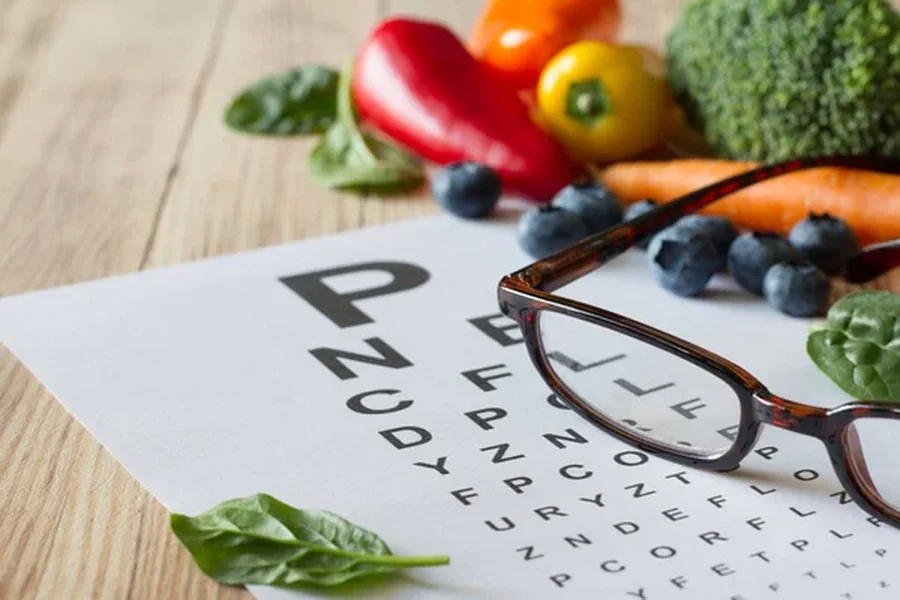
Lutein is a vital carotenoid which plays a significant role in maintaining optimal eye health. It is naturally found in numerous fruits and vegetables, especially dark green leafy vegetables. Evidence suggests that lutein may help reduce the risk of chronic eye diseases, including age-related macular degeneration (AMD) and cataracts. The increasing popularity of eye health supplements has brought products like the Lutein Eye Supplement – i.360 By Herbal Pharm to the forefront, offering a concentrated source of lutein to support eye health.
What is Lutein?
Lutein is a type of carotenoid that is related to vitamin A, and it is found abundantly in the human eye, specifically concentrated in the macula of the retina. This antioxidant helps filter harmful high-energy blue wavelengths of light and aids in protecting and maintaining healthy cells in the eyes.
Importance of Lutein for Eye Health
Lutein’s primary role in eye health revolves around its ability to absorb excess light energy and protect against free-radical damage. Here are a few ways lutein contributes to maintaining sharp vision:
1. Protection Against Blue Light
Modern lifestyles expose people to high amounts of blue light from digital screens. Lutein helps to block some of this harmful blue light from reaching the most sensitive parts of the retina, thereby reducing potential oxidative damage to the eyes.
2. Supporting Retinal Health
The retina, crucial for good vision, can suffer damage from oxidative stress over time. Lutein acts as a safeguard against this stress, helping maintain the health of retinal cells and improving visual function.
Lutein and Age-Related Eye Diseases
Research into lutein supplementation has shown promising results in lowering the risk of age-related eye diseases. Here are some conditions that could potentially be mitigated by maintaining an adequate lutein intake:
1. Age-Related Macular Degeneration (AMD)
AMD is the leading cause of vision loss in older adults. Lutein’s antioxidant properties help reduce the risk of AMD by neutralising free radicals in the macula. Studies have demonstrated that higher dietary intake of lutein and other carotenoids is associated with a reduced risk of developing AMD.
2. Cataracts
Cataracts, a clouding of the eye’s lens, often develop as people age. Lutein has been shown to lower the risk of cataracts by helping to prevent oxidative damage to the lens proteins.
Sources of Lutein
While lutein supplements offer a convenient way to ensure adequate intake, dietary sources remain crucial. Foods rich in lutein include:
– Kale
– Spinach
– Broccoli
– Peas
– Corn
– Eggs
These foods provide diverse nutrients, which work synergistically to boost eye health. However, given lifestyle and dietary constraints, many individuals opt for a targeted supplementation strategy.
How Much Lutein Do You Need?
Generally, the human body does not produce lutein; therefore, it must be obtained from diet or supplements. Research suggests an intake of 6 to 20 mg per day may be beneficial for eye health. Supplements like the lutein eye formulations can help bridge any dietary gaps.
Choosing the Right Lutein Supplement
When considering a lutein supplement, several factors must be taken into account:
- Purity and Concentration: Check the purity and concentration of lutein. Higher concentrations may be more effective, but ensure it aligns with health guidelines.
- Product Formulation: Look for products combined with other beneficial nutrients like zeaxanthin and vitamin A for a comprehensive eye health solution.
- Absorption Efficiency: Some formulations offer enhanced bioavailability for better absorption and efficacy.
By considering these factors, individuals can select a supplement that best supports their vision health needs.

Who Should Consider Lutein Supplements?
While everyone can benefit from increased lutein intake, supplements might be particularly advantageous for:
- Older adults experiencing age-related vision changes.
- Individuals with increased screen time exposure.
- Those with diets low in lutein-rich foods.
Incorporating lutein into one’s daily routine can significantly contribute to maintaining long-term vision health.
Additional Benefits of Lutein
Beyond eye health, lutein may offer additional health benefits. Due to its antioxidant properties, lutein contributes to skin health, enhancing skin’s hydration and elasticity. Moreover, lutein’s anti-inflammatory capabilities play a role in promoting general well-being.
Conclusion
Lutein is essential for eye care and overall health. Given the pressures of modern lifestyles, ensuring adequate lutein intake through diet and targeted supplements is a proactive step towards maintaining healthy vision. By understanding lutein’s benefits and applications, individuals can make informed choices about their eye health regimens, potentially reducing the risk of eye diseases and enhancing visual performance over time. It is commonly found in leafy green vegetables, eggs, and other nutrient-rich foods. Acting as a powerful antioxidant, lutein helps filter harmful blue light and supports macular health, contributing to long-term visual clarity and overall eye protection and health maintenance.