Holiday stocking, hunting season, and bulk buying all push kitchens and households to store more frozen food in November. A commercial freezer is built to hold a steady cold temperature even when the door opens often, and knowing how it works helps owners keep food safe and the machine efficient. This guide explains the cooling cycle, why airflow matters, and the habits that keep an upright freezer reliable.
How a Freezer Makes Cold
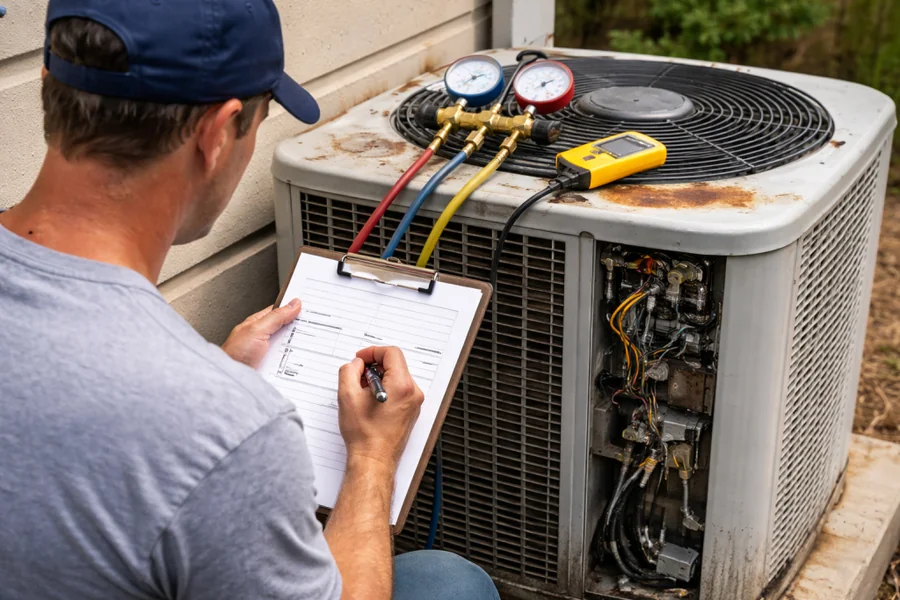
A freezer does not create cold; it moves heat out. A refrigerant, a fluid that boils at very low temperatures, circulates through a loop of tubes. A compressor pressurizes it, a condenser coil outside the cabinet releases heat to the room, and an evaporator coil inside absorbs heat from the food space. A fan moves the cold air around the cabinet. Because the machine pushes heat into the room, it needs space to breathe.
Why Airflow Matters
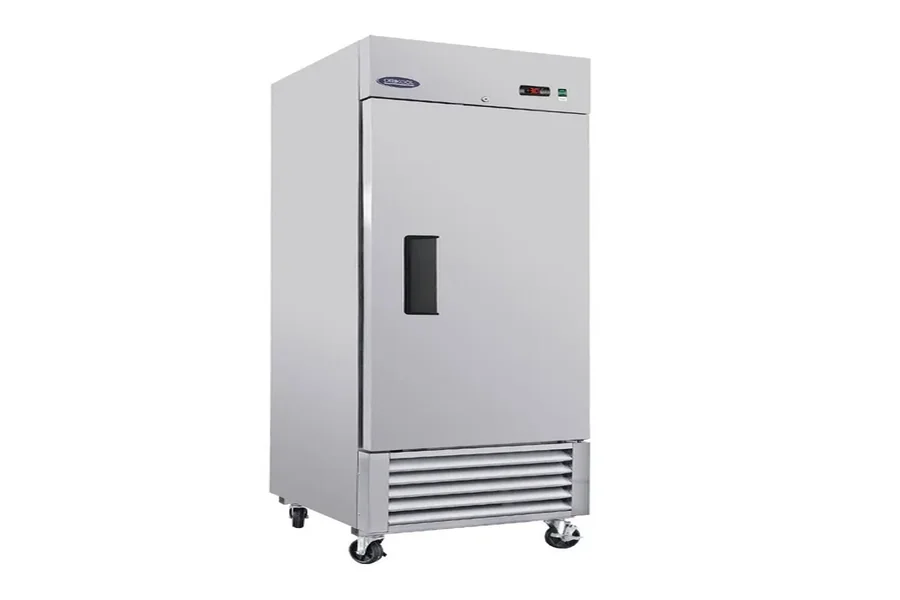
A commercial upright freezer depends on moving air. Cold air must circulate through the cabinet to reach every item. If boxes block the vents or the shelves are packed solid, air cannot move and warm pockets appear. Leave a small gap between items and keep the area near the fan clear. Overpacking also forces the compressor to work harder, which raises energy use and wear.
Shelf Space and Workflow in a Kitchen
A reach in freezer works best when the layout matches the workflow. Keep the items used every day on the shelves at hand height, and put bulk stock on the lower shelves where lifting is easier. A stainless steel freezer with solid doors is easy to wipe, and adjustable shelves let the cook fit trays, boxes, and bags. Label each shelf so staff can find an item with the door open for only a few seconds.
Clearance and Room Temperature
The condenser needs clean air to shed heat. Leave space around the sides and back as the manual advises, and keep the machine away from ovens, direct sun, and heating vents. A commercial upright freezer in a hot room works much harder, and a dusty coil loses efficiency. Cleaning the condenser coil with a brush or vacuum every few months is one of the easiest ways to extend the compressor’s life.
Door Seals and Opening Habits
The gasket around the door keeps warm air out. A cracked or dirty gasket lets moisture in, which freezes as frost and wastes energy. A simple test is to close a sheet of paper in the door: if it slides out easily, the seal is weak. Each time the door opens, warm air rushes in, so group trips, label shelves for quick finding, and close the door promptly.
Frost and Defrosting
Moisture entering the freezer builds frost on the evaporator and walls. Many commercial units have an automatic defrost cycle that warms the coil briefly to melt the frost. Heavy ice buildup means a seal is leaking or the door is staying open too long. If the freezer needs a manual defrost, move food to another cold space first and keep the time short.
Loading and Organizing
Put the newest food at the back and the oldest at the front so older items are used first. Label packages with the date and contents, and freeze meat in thin, flat portions so it cools quickly. A cabinet of the right size matters: a freezer that is nearly empty wastes energy, while one that is jammed full blocks airflow. Aim for a full but not packed cabinet.
Safe Temperatures
Frozen food is stored at zero degrees Fahrenheit or colder for safety, and a thermometer inside confirms it. If the temperature creeps up, check the seals, the airflow, and the coil. Never refreeze food that has fully thawed and warmed above a safe temperature.
Power Outages
A closed freezer holds temperature for many hours, so resist opening it during an outage. Keep a thermometer visible and plan a backup, such as a generator or a source of dry ice. Food that still has ice crystals or feels as cold as in the refrigerator can usually be kept, though local guidance applies.
Alarms, Logs, and Records
A freezer that fails overnight can ruin a large stock of food, so many kitchens use a thermometer with an alarm that sounds if the temperature rises. A written log, checked at opening and closing, shows slow drifts before they become a problem. Keep the thermometer in the middle of the cabinet, not near the door, and verify it occasionally against a second thermometer.
Wiping Down and Checking the Cabinet
Wipe the interior with mild soap and warm water, dry it fully, and clean the stainless steel exterior along the grain to avoid scratches. Check the door hinges and gaskets each season. Kitchens and shops that depend on cold storage often look at the wider range of industrial equipment for food handling, so that freezers, prep tables, and packaging tools suit the volume of the business.