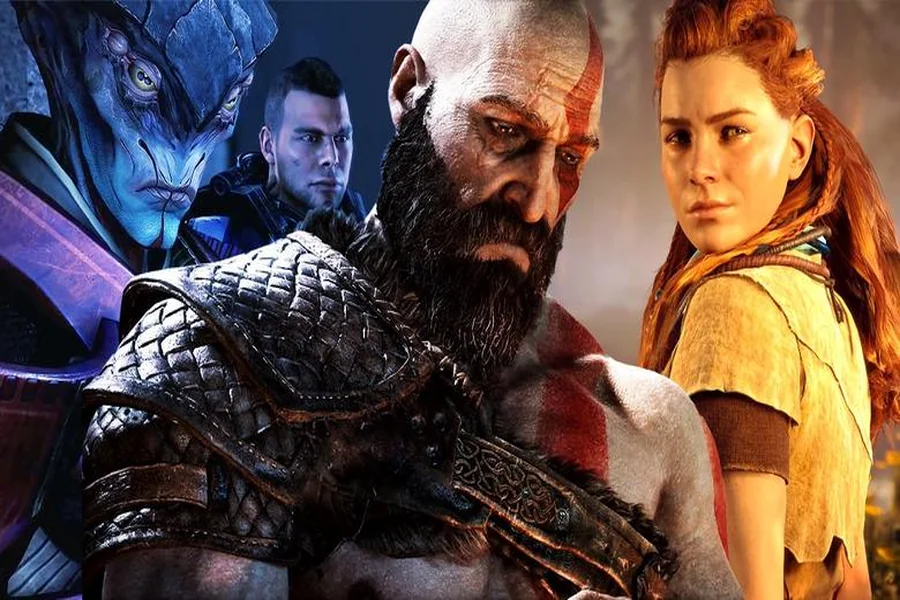
Open a lobby on any legal online casino app right now and count how many gods you can find before you hit the third row. Zeus, usually. Odin, probably twice. Anubis, guaranteed. Arena Names covered this exact pattern two days ago in a piece on mythology games dominating modern digital lobbies, and the trend isn’t slowing down. It’s accelerating, because mythology gives designers something rarer than good art: a built-in reason for players to keep spinning.
Here’s the thing. A thunderbolt wild or a rising jackpot meter tied to a pantheon of ascending gods isn’t just decoration. It’s a structure borrowed from what Joseph Campbell called the hero’s journey, a narrative shape humans respond to instinctively. Slot designers know this. They build progression, escalation, and payoff into the reel math itself, and mythology is the cheapest, most universally recognizable wrapper for that structure. Ancient gods don’t need explaining. Everyone already knows Zeus throws lightning and Anubis judges the dead. The theme does half the onboarding work for free.
But none of this matters if the games aren’t legally accessible. And that’s exactly where Illinois sits right now, stuck watching neighboring states build these mythology-heavy lobbies while its own legislature argues about whether to let residents play them at all. State Rep. Edgar Gonzalez Jr. Refiled his Internet Gaming Act for the 2026 session in early February, reviving a proposal that’s nearly identical to the version that died in committee last year. If you’re tracking what’s actually legal in the state right now versus what’s still pending, the Illinois online casino guide breaks down the current landscape, including which offshore and social casino options residents use while the bill sits in limbo.
The Math Behind Why Gods Sell Better Than Fruit
RTP hasn’t changed. A mythology-themed slot with 96% RTP pays out identically to a fruit machine with the same RTP. What’s changed is the wrapper around the math, and wrappers drive session length more than most operators want to admit.
Take a typical Norse-themed release. The base game runs standard, five reels, low volatility. But the bonus structure escalates through tiers, Thor, then Odin, then a “Valhalla” jackpot round, each unlock requiring bigger multipliers or rarer symbol combos. Players don’t chase the RTP number. They chase the next tier. That’s a behavioral hook, not a payout improvement, and it’s precisely why lobbies keep stacking these titles near the top of the page.
Egyptian pantheon slots do something similar with progressive jackpots. Anubis and Ra titles often link across a network of casinos, meaning the jackpot climbs regardless of which specific site a player sits on. That shared-pool mechanic means bigger headline numbers, which means better marketing screenshots, which means the games get pushed harder in lobby placement. It’s a feedback loop. Bigger number, better placement, more spins, bigger number again.
I’ve tested a dozen of these across different licensed markets this year. The RNG audits check out on the reputable ones (third-party certification is table stakes at this point), but the volatility bands vary wildly. Some Norse-themed titles I ran through 200 spins landed close to advertised RTP within a few percentage points. Others swung hard, one session ran cold for 140 spins straight before a bonus round hit. That’s normal variance, not a red flag, but it’s worth knowing going in.
What Illinois Actually Has On The Table
The 2026 version of Gonzalez’s bill looks almost identical to the one that stalled in 2025. Same licensing framework, same tax structure proposals, same carve-outs for existing riverboat and racino operators to hold the first licenses. What’s different this time is the fiscal pressure behind it. Illinois faces a projected deficit north of $3 billion heading into the next fiscal year, according to the governor’s own budget office, and lawmakers scrambling for new revenue streams tend to look kindly on anything that generates tax income without raising income tax rates directly.
That deficit context matters more than the bill text itself. Sports betting alone hasn’t closed the gap. Illinois has leaned on gaming revenue for years to patch budget shortfalls, and iGaming taxes historically run higher per-dollar-wagered than sports betting taxes in comparable states. Michigan and Pennsylvania both saw substantial iGaming tax hauls in their first few years live. That’s the number Springfield keeps staring at.
Eight states now run legal online casino markets, with Maine joining the list most recently. New York, despite being one of the largest sports betting markets in the country, still hasn’t cracked iGaming legalization, stuck on disagreements over tax rate. Illinois isn’t racing New York. It’s racing to not fall further behind Michigan, New Jersey, and Pennsylvania, all of which have had these mythology-stacked lobbies live for years already.
Chicago’s Separate Headache
There’s a wrinkle specific to Illinois that other states haven’t dealt with quite the same way. Major sportsbooks, including some of the largest national operators, sued the city of Chicago over its licensing plan for retail sportsbook locations. That’s a different fight than the statewide iGaming bill, but it’s happening in parallel, and it’s the kind of regulatory noise that makes legislators more cautious about moving fast on a new gambling vertical while an existing one is in litigation.
None of that kills the iGaming bill. It just means the political runway is crowded. Gonzalez’s team has been here before. Last year’s version died quietly without a floor vote, not because of ideological opposition but because leadership never prioritized the calendar time to move it forward. Whether 2026 goes differently depends less on the bill’s content, which barely changed, and more on whether budget math finally forces the issue.
Why The Slot Theme Actually Matters Here
Circle back to Zeus and Anubis for a second. The reason this connects to the legislative fight isn’t cosmetic. Every mythology-heavy lobby currently running in Michigan, New Jersey, and Pennsylvania represents real, measurable tax revenue Illinois residents are watching pass them by, either by driving across state lines or by using offshore platforms that operate in a legal gray zone. The demand clearly exists. Arena Names covered why these games dominate lobby real estate. What’s less discussed is that every one of those titles is currently unavailable through a licensed Illinois operator, full stop.
If the bill passes this session, expect the same mythology-driven catalog that’s already live elsewhere to show up almost immediately. Operators don’t build new libraries state by state. They port existing ones. A player in Springfield would likely get access to the same Norse and Egyptian pantheon titles a player in Detroit already has, on day one of a licensed launch.
Frequently Asked Questions
Is online casino gambling legal in Illinois right now? No. Illinois currently permits legal sports betting and retail casinos, but online casino games (slots, blackjack, roulette played through a licensed Illinois operator) remain illegal as of August 2026. The Internet Gaming Act would change that if passed.
Who introduced the Illinois online casino bill? State Rep. Edgar Gonzalez Jr. Refiled the Internet Gaming Act for the 2026 legislative session. It’s substantively similar to a bill he introduced in 2025 that stalled without a floor vote.
Why do mythology themes dominate online slot lobbies? Mythological narratives (Zeus, Odin, Anubis, and similar pantheons) offer built-in progression and escalation that mirrors the hero’s journey structure. Players recognize the mythology instantly, which reduces onboarding friction and encourages longer sessions chasing tiered bonus rounds.
How does Illinois compare to other states on iGaming? Eight states currently run legal online casino markets, including Michigan, New Jersey, and Pennsylvania. Illinois has not yet joined that group, despite facing a multibillion-dollar budget deficit that makes new gaming tax revenue politically attractive.
Will the 2026 Illinois iGaming bill actually pass? Uncertain. The bill mirrors last year’s failed version and hasn’t secured a committee vote as of this writing. Budget pressure improves its odds compared to 2025, but legislative leadership still controls whether it gets floor time this session.
Gambling involves risk. Please play responsibly and only wager what you can afford to lose. If you feel gambling is becoming a problem, visit BeGambleAware.org or call 1-800-GAMBLER.
Illinois residents chasing that next Valhalla bonus round or Anubis jackpot tier will likely get their chance eventually. The only real question left is whether Springfield moves before another budget cycle passes it by.