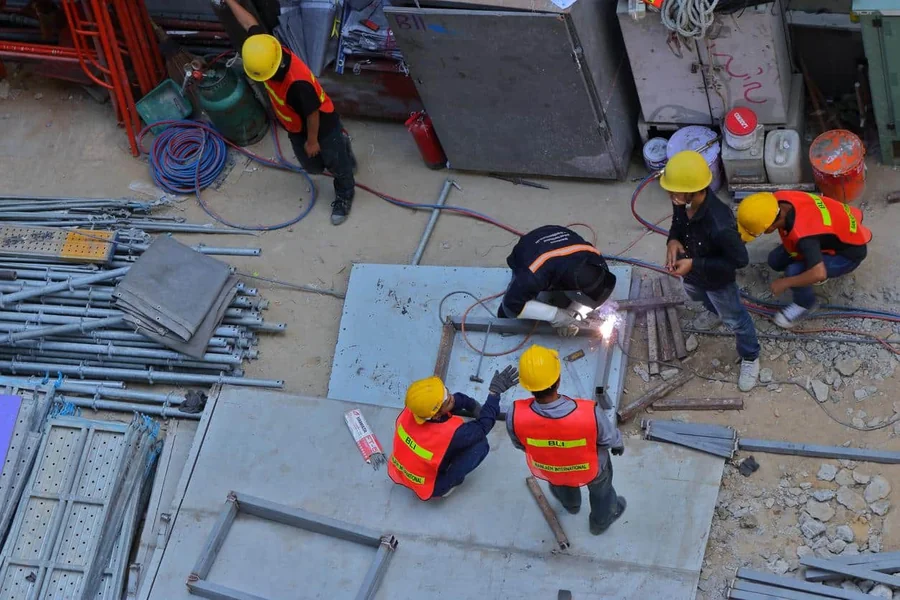
The construction sites are always on the go, where the infrastructures are permanent and the risk of fire is greater than elsewhere. One spark can cause extreme damage, delay a project, or result in legal issues until the active fire protection schemes work. Understanding when the construction sites require special supervision will keep the workers safe and help their supervisors comply with the local safety regulations.
According to the Fast Fire Watch Company reference, knowing the main hazards will provide the opportunity to eliminate the existing problems before construction begins. Hiring the Fire Watch Guards will ensure constant and visible supervision of the site during jobs that are dangerous from the fire point of view or if the systems are working outside of their schedule.
Quick Summary
|
1. Hot Work Operations (Welding, Cutting, and Soldering)
When it comes to construction sites, fires are often caused by hot work. Using high heat or flame generates sparks, molten slag, and pieces of hot metal.
- Sparks: Sparks can travel up to 35 feet away from the source, getting inside voids, insulation, or rubbish.
- Smoldering: Materials such as wood framing or paper backings can continue smoldering for long periods before igniting into flame.
According to OSHA regulations, active supervision must be provided during hot work. A trained observer has to stay on site looking for smoke or hot pockets long after the work has been performed.
2. Inactive or Uncommissioned Fire Protection Systems
During new buildings or major renovations, there are no functioning sprinklers or fire alarms. Without automatic fire detection, any small fire can spread without being noticed.
If a permanent fire alarm system is not operational, then the local fire code requires a backup system. Trained personnel will walk around the area looking for signs of smoke.
3. Temporary Heating Equipment
Cold weather construction frequently depends on heat sources such as propane heaters, direct-fired gas units, or electric heaters to dry drywall, cure concrete, and maintain comfortable working temperatures. Safety hazards arise when heated units are improperly used near flammable materials.
- Violation of Clearance Rules: Heaters that are placed too close to tarping, scaffolding, or framing can cause a fire.
- Vulnerability of Fuel Lines: Leaking hoses create dangerous explosion conditions.
Inspections ensure that all heating equipment is cleared and working safely without any indications of fuel leakage.
4. On-Site Storage of Flammable and Combustible Materials
There are usually enormous piles of fuel, paints, solvents, adhesive thinners, and propane tanks on construction sites, which can circulate hazardous fumes into the air.
- Poor Ventilation: Fumes build up and create an explosive environment.
- Improper Piling: Piling of combustible items near temporary electrical components increases the risk of ignition.
- Careless Discarding of Trash: Soaked rags that are incautiously thrown into trash bins may ignite spontaneously.
Regular checks by patrolling teams will help detect leaking containers, evaluate the state of ventilation, and clear the trash.
5. Temporary Electrical Wiring and Overloaded Circuits
These temporary electrical systems can also cause power failures that knock out all machines, lighting, and tools in a building. Bad weather and abuse can cause the portable power systems to be damaged.
- Worn Wires: Heavy machinery can crush power lines and break through outer sheaths.
- Over-Loaded Systems: Plugging in too many devices that draw too much power into one panel can cause overheating.
- Unprotected Connections: Moisture may make its way to the unprotected electrical connections, leading to the potential for a short.
If the site is inspected on a regular basis, warning signs of overheating panels or loose wiring can be observed, thus preventing electrical fires from occurring.
6. Build-Up of Combustible Construction Waste
Lumber, sawdust, foam insulation, and cardboard build up rapidly on construction sites. If debris blocks evacuation routes or building floors near where a fire is burning, the debris itself becomes part of the problem.
Periodic controls help to guarantee the distance to waste containers from buildings and the access to emergency exits.
7. After-Hours Vandalism and Arson Risks
An empty site is an easy target for trespassers and arsonists after hours. Incomplete buildings do not have fire barriers or drywall, leaving them vulnerable to catching fire if they are set on fire.
The presence of trained Fire Watch Guards during overnight or weekend shifts will provide a good deterrent effect. The guards supervise the perimeter fence, inspect access points, and keep logs to ensure the safety of the property when the construction workers are not present.
The Importance of Professional Fire Watch Services
Using ordinary workers to perform fire watch jobs usually does not work since their main focus remains on construction work. A specialized provider, such as The Fast Fire Watch Company, can provide particular staff to perform fire risk monitoring and respond to emergencies.
The guards keep records of every patrol with the help of GPS. This helps to fulfill local regulatory requirements and to have documentation for insurance.
Frequently Asked Questions
What duties does a fire watch guard perform?
The responsibilities of a fire watch guard include making routine patrols, checking hot work zones, keeping records every hour, and notifying emergency services if there are any signs of fire or smoke.
When should a fire watch be needed at the workplace?
A fire watch is necessary when there is any hot work being done, if the automated fire sprinkler systems or alarms are either offline or uncommissioned, or if whoever is in charge of the local fire station has given orders not to do it because of some unsafe conditions in the workplace.
How often should patrolling take place?
The answer to this question depends on the regulations operating in the area and on danger level since patrols should be conducted every 15 to 30 minutes in high-risk situations and once per an hour in case of an ordinary night worksite security.
How fast can a fire watch team arrive?
The best companies are able to provide 24/7 services when it comes to urgent needs; as for the Fast Fire Watch Company, this provider promises to place the provided guards at work within 3 hours.
What specifics ought to be put down in a fire watch logbook?
The logs ought to show the times the patrol began and ended, the name of the guard, points covered during the patrol, any other hazards the guard could identify, corrective measures undertaken, and general notes on the site. The logs are very important legal documents for fire inspectors.
Conclusion
Construction site fires bring huge losses every year. However, most of them could be prevented easily if there is proper tracking in place. Identifying the dangers on-site in advance will help the process run without glitches.