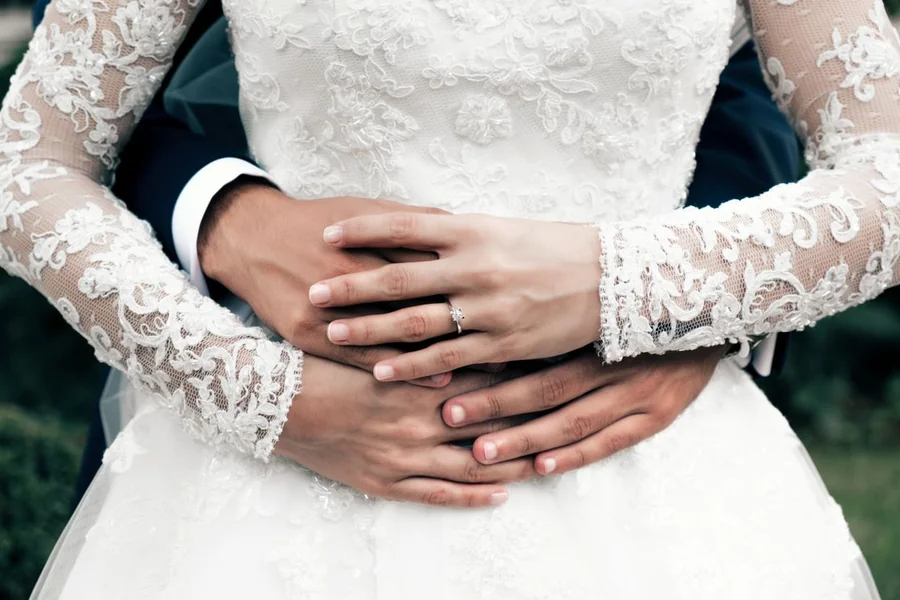
Somewhere in South Florida, a bride scrolls through Pinterest and pauses at a photo: long lace sleeves, a fitted shape, and a look that feels completely romantic. She loves it immediately. Then the thought arrives, quiet but persistent. Miami. Of course. The dress gets mentally filed under impossible, and she scrolls toward something strapless. Brides who have arrived at the Lovu Lovu bridal boutique in Miami with exactly that assumption often leave with a different understanding of what South Florida heat actually asks of a gown.
The assumption that long-sleeve dresses belong only to autumn ceremonies in temperate states runs deep. At a South Florida bridal studio like the Lovu Lovu, consultants encounter it regularly, often before a bride has finished describing what she saw online. Two things tend to dissolve that fear: an honest look at what the South Florida calendar actually delivers, and a close examination of how modern lace sleeves actually get built.
Contents
What the Calendar and the Thermometer Say
From December to early March, Miami isn’t as hot as many people think. Highs are usually in the mid-70s Fahrenheit, and evenings can drop into the low 60s. The US Climate Normals say Miami’s average January low is 61°F — a temperature that would have most people in the rest of the country reaching for a coat. It’s not the steamy weather most brides expect.
From spring through early May, conditions ease considerably and humidity stays low. Even fall, once September’s rains ease off, gives event planners the kind of weather they actually prefer to work with.
Summer is its own category, and nobody pretends otherwise. A noon outdoor ceremony in August on a Coral Gables terrace is a real physical challenge for anyone, sleeved or not. South Florida humidity at 2 p.m. in July asks a lot of every guest and vendor in attendance, not just the bride. But a summer wedding with a 6 p.m. ceremony start, held in a properly air-conditioned ballroom, runs an entirely different calculation. Brides who have been through that experience tend to describe it the same way: cooler than expected, and glad the sleeves stayed.
Most South Florida venues have built their event schedules around this seasonal reality. Outdoor ceremonies shift to late-day slots by default; ballrooms run heavy air conditioning through the afternoon arrival window. Industry norms, not special accommodations.
The Sleeve Is Not a Single Thing
Here is what most brides do not immediately understand about lace: it is a category, not a material. What that word covers in bridal ranges from dense Venetian cord work to airy Chantilly on open mesh, and the distance between those two things, in terms of how they actually feel against the arm, is considerable and worth knowing before a fitting. A sleeve that photographs as substantial may weigh almost nothing in person. Whether it traps heat depends almost entirely on construction, not on how it looks in a photo.
During the fitting, consultants at the Lovu Lovu bridal boutique in Miami typically ask brides to hold and feel several sleeve variations before forming any opinion. Preferences shift during that part of the visit. Brides who arrive certain that any sleeve will be unbearable in Miami heat often linger at the lightest end of the fabric range, turning an arm in the light.
The fabrics that work best for warm-weather long-sleeve gowns share a few specific qualities:
- Chantilly lace on open mesh lining: The net base keeps the lace pattern visible while still letting air move across the arm. It sits against the skin without sealing it.
- Embroidered tulle sleeves with no underlining: Tulle is, structurally speaking, mostly air. A tulle sleeve is less like wearing fabric than like wearing a very deliberate idea of fabric.
- Illusion fabric at the shoulder and cuff: The material is barely there, which is rather the point. It sits close to the arm and generates almost no body heat.
- Lace overlay separated from a structured bodice: Construction weight stays in the bodice. The sleeve remains decorative and genuinely light.
A bride who learns to ask “what is this made of?” instead of “will this be hot?” is already making a better calculation.
Pinterest’s Predicts report highlighted long-sleeve and illusion-neckline bridal styles as among the fastest-growing saves in the bridal category, with strong engagement from users in warm-climate states. In South Florida, brides are saving these images at the same rates as brides in temperate northern cities. The desire is not climate-dependent. Whether the bride acts on it often comes down to whether she and her consultant know how to execute it.
The Choices That Come Before the Ceremony
Long before the ceremony begins, the choices that affect a bride’s comfort in her dress are already made. For South Florida brides who want long sleeves, a few planning decisions matter just as much as the fabric.
Timing is the biggest. A ceremony that starts at 5:30 or 6 p.m. sidesteps the hottest hours of the day without touching a single thing about the dress. Before the fabric samples even come out, consultants at Lovu Lovu often make this point first. That one adjustment reshapes the physical experience of the wedding more than almost any material choice can. The bridal suite’s air conditioning matters too, and a bride who confirms it is reliable before booking has already protected the quality of her entire morning prep. Planning portrait locations in shaded spots, worked out ahead of time with the photographer, handles the rest without compromise.
Brides increasingly shape their event logistics around their gown preference rather than adjusting what they wear to match existing plans. For brides who visit the Lovu Lovu bridal boutique in Miami with a specific long-sleeve silhouette in mind, the first consultation frequently ends with a short planning list built around that dress. The gown from the Pinterest save, it turns out, is usually the gown they can have.
Epilogue
Long sleeves and Miami can go together. It just takes careful planning and the right sleeve construction, something a local boutique can help with. Brides who expect to be steered toward sleeveless dresses often leave with fabric samples and a fitting list that includes the style they wanted. What seemed like a problem with the heat becomes a design challenge, and good consultants usually find the best solutions.