
Choosing bicycle components can feel overwhelming when every product seems to come with its own collection of technical terms, numbers, and performance claims. Even before opening a specification sheet, a product name can offer useful clues about what a component is designed for. Rim depth, material, model series, and intended riding style may all be reflected in the way a manufacturer names its products. Learning to interpret these details helps cyclists narrow their options before comparing the finer points.
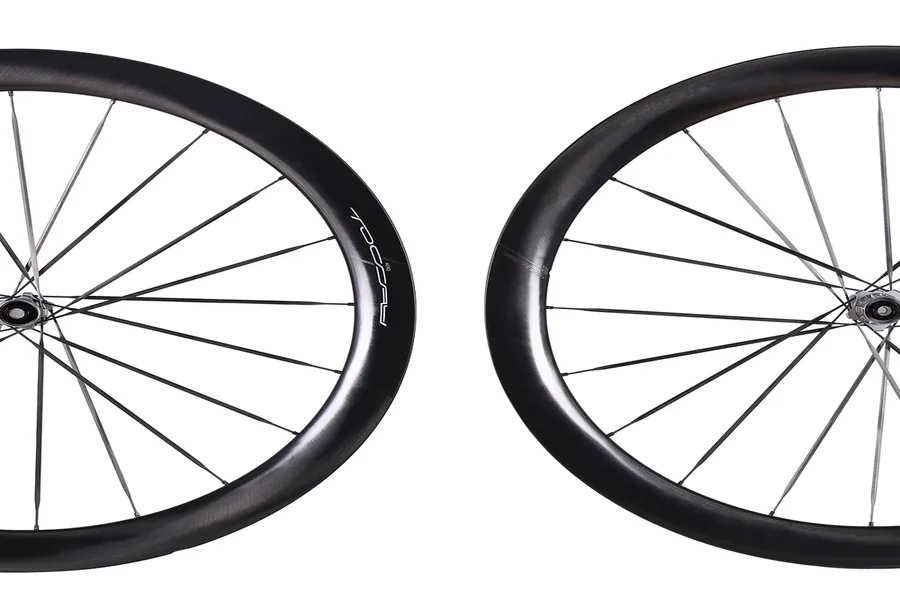
For example, a brand such as TOCCAY uses model names that distinguish its road wheelsets by profile and design. Understanding what those names suggest can help riders decide which products deserve a closer look. However, a product name is only the beginning of the selection process. It should guide the buyer toward relevant questions rather than replace a careful review of the specifications.
A Product Name Is the First Clue, Not the Final Answer
A good product name helps customers identify a component and distinguish it from similar options. In cycling, names often combine a model identifier with a number, material description, or category. Each element may provide a different piece of information.
A number in a wheelset name, for instance, may refer to rim depth in millimeters. A term such as carbon can indicate the primary construction material, while words like road, gravel, or mountain suggest the type of bicycle or riding environment for which the product is intended.
These clues are useful because cyclists rarely shop without a purpose. One person may want wheels for long-distance road rides, while another may be preparing for faster group rides or looking for equipment that suits frequent climbing. Product names help organize the choices into categories that are easier to understand.
Still, manufacturers do not follow one universal naming system. A number might represent a product generation, model family, or another measurement entirely. Buyers should confirm the meaning through the product description instead of assuming that every brand uses the same convention.
What Rim Depth Numbers Can Tell You
Rim depth is one of the most useful details to identify when comparing road bicycle wheels. It describes the vertical depth of the rim profile, usually measured in millimeters. Manufacturers often use this measurement in model names because it helps customers distinguish between different wheel designs.
Shallower Profiles and Climbing Routes
A shallower rim may appeal to riders who prioritize a lightweight setup or regularly travel through hilly terrain. Depending on the design, it may also offer handling characteristics that some riders prefer in changing wind conditions.
However, a shallower rim is not automatically the best choice for every climb. Total wheelset weight, tire selection, gearing, rider fitness, and the length and gradient of the route all influence climbing performance.
Mid-Depth Designs for Varied Riding
A middle-depth profile can appeal to cyclists who want one wheelset for several kinds of road riding. These riders might alternate between training, rolling countryside, longer solo efforts, and faster group rides rather than focusing on one specific course type.
The attraction is versatility. Instead of choosing equipment for a narrow set of conditions, the cyclist looks for a balance that works across the routes they ride most often.
Deeper Profiles for Faster Roads
Deeper rims are commonly associated with aerodynamic road wheel designs. Their shape can influence airflow around the wheel, which becomes increasingly relevant as riding speeds rise.
That does not mean every deeper wheel is faster in every situation. Aerodynamic performance depends on rim shape, tire choice, wind angle, riding position, and speed. A deeper profile may also respond differently to crosswinds, making handling an important consideration.
Understanding the number in a model name is therefore a starting point for comparing intended uses, not a guarantee of performance.
Material Names Reveal Another Part of the Design
Product names may also identify the materials used in a component. Carbon fiber and steel, for example, are both used in bicycle wheel construction, but they have different characteristics and may require different approaches to maintenance and servicing.
Carbon-fiber rims are valued for their design flexibility and potential for high stiffness at relatively low weight. Their actual properties depend on the fiber, layup, rim shape, manufacturing quality, and construction methods. The word carbon alone does not tell a buyer how a particular wheelset will ride.
Spoke material is another distinction worth checking. Carbon spokes and conventional steel spokes can differ in weight, construction, replacement procedures, and service requirements. Some cyclists prioritize a lower overall wheelset weight, while others prefer familiar servicing methods or a particular spoke design.
When a product name includes a material description, buyers should determine exactly which part uses that material. A carbon wheelset may have carbon rims with steel spokes, or it may use carbon for both the rims and spokes. Those are meaningful differences that should be confirmed on the product page.
Model Families Help Buyers Compare Similar Options
Cycling brands often organize products into families to make comparisons easier. Models may share a common design approach while differing in dimensions, materials, or intended use. This structure allows customers to compare related options without treating every product as completely unrelated.
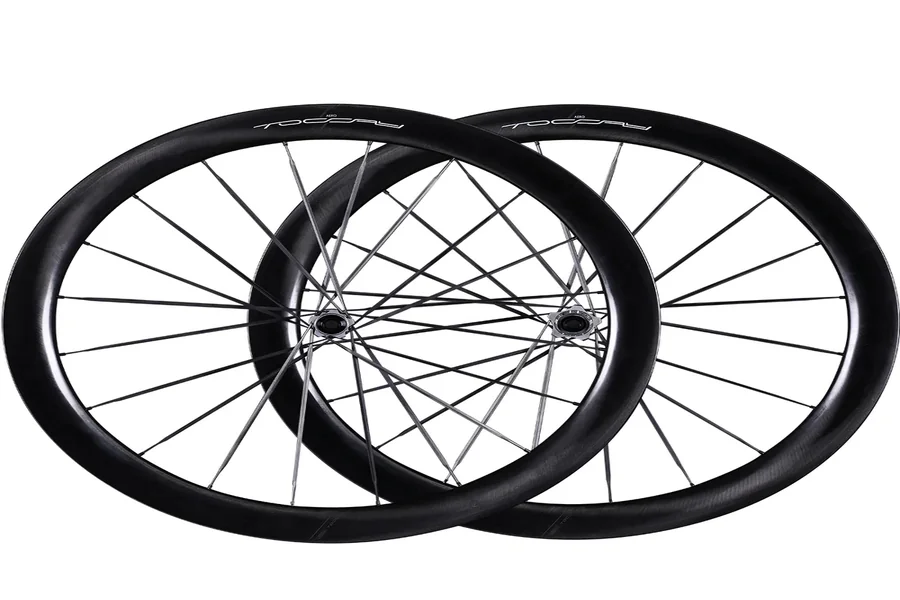
For road cyclists researching Ghost road wheelsets, the model family and rim-depth distinctions provide a useful starting point. Comparing the available profiles can help riders identify which options deserve further research based on their usual terrain and riding priorities.
The important habit is to use model names to build a shortlist, then compare the details that affect real-world use. This approach saves time while reducing the risk of choosing a component based on an assumption.
Looking More Closely at the TOCCAY AERO-50 Ghost
The TOCCAY AERO-50 Ghost Wheelset illustrates how a product name can communicate useful information before a buyer examines the full specification sheet. The AERO-50 designation identifies a 50mm rim profile, while Ghost is part of the model name used to distinguish the wheelset within the brand’s range.
The carbon-spoke version is listed with a wheelset weight of 1,150 grams and a 700C rim measuring 25mm internally and 33mm externally. The model is offered in a carbon-spoke configuration; detailed material grades should be verified against the current manufacturer specification sheet. These details give buyers a clearer understanding of the product than the model name alone can provide.
The specifications also list a Centerlock disc-brake interface, Shimano HG or SRAM XDR freehub options, and compatibility with clincher and tubeless-ready tire setups. An appropriate tire must be approved for the rim’s width and construction, and it must clear the bicycle when mounted. Riders should verify the current product listing and confirm their bicycle’s drivetrain, axle, rotor, tire, and clearance requirements before purchasing.
This example demonstrates why product naming and technical specifications work together. The name helps identify the model and its rim profile, while the specification sheet explains the construction and compatibility details needed for an informed decision.
Why Specifications Matter More Than Marketing Language
Words such as fast, lightweight, responsive, and race-ready are common in cycling product descriptions. They can communicate a manufacturer’s intended positioning, but they do not always provide enough information for a meaningful comparison.
A cyclist evaluating two wheelsets should look for measurable details wherever possible. Rim depth, internal width, external width, listed wheelset weight, braking interface, and freehub compatibility can help establish whether the products meet the rider’s requirements.
It is also important to understand how a specification affects the complete bicycle. A wheelset with a particular internal rim width may be suitable for several tire sizes, but the frame and fork still determine the available clearance. A compatible freehub body must match the cassette, and the braking interface must work with the bicycle’s braking system.
Buyers should also check whether listed weights refer to a complete pair, an individual wheel, or a particular configuration. Different spoke options and included accessories can change the figures. Comparing equivalent configurations produces a more useful result than comparing headline numbers without checking what they represent.
Compatibility Should Be Part of Every Purchase Decision
Even a well-designed component can be unsuitable for a bicycle if the technical standards do not match. Compatibility should therefore be checked before price, appearance, or performance claims become the deciding factors.
For wheelsets, the key details include wheel diameter, front and rear axle standards, freehub type, brake interface, and approved tire dimensions. Riders using tubeless tires should also confirm that the rim and tire combination supports their intended setup and follow the manufacturer’s installation guidance.
It is equally important to consider the rider’s maintenance preferences. Some components may require specialized tools or replacement parts, while others may be easier for a local bicycle shop to service. Access to spare parts and manufacturer support can matter over the life of the product.
These checks do not need to make shopping complicated. A simple comparison of the bicycle’s current specifications against the manufacturer’s requirements can eliminate unsuitable options before money is spent.
A Better Way to Read Bicycle Product Listings
The next time you compare bicycle components, begin with the product name and ask what each part actually tells you. Identify the category, determine whether a number represents a measurement, and check whether a material description refers to the entire component or only one part.
Then move to the specification sheet. Compare the dimensions, weight, construction, compatibility, and maintenance requirements that matter for your riding. If the listing leaves an important question unanswered, consult the manufacturer’s support information rather than relying on a guess.
It can also help to consider how the component fits into your regular cycling routine. A rider who spends most weekends on rolling roads may have different priorities from someone who climbs steep mountain passes or trains on exposed coastal routes. The best choice is the one that meets those needs without creating unnecessary compromises.
Make the Name Your Starting Point
A bicycle product name can provide a useful summary of a component’s identity, design, and intended place within a product range. Rim-depth numbers, material descriptions, and model-family labels can help cyclists narrow their choices and understand the differences between similar products.
Yet the name should never be the only basis for a purchase. Specifications establish the details, compatibility checks confirm whether the component fits, and the rider’s own requirements determine whether it makes sense.
By reading product names as clues rather than promises, cyclists can approach equipment research with greater confidence. The result is a more practical buying process—one that focuses less on impressive labels and more on choosing components that genuinely suit the bicycle and the roads ahead.