
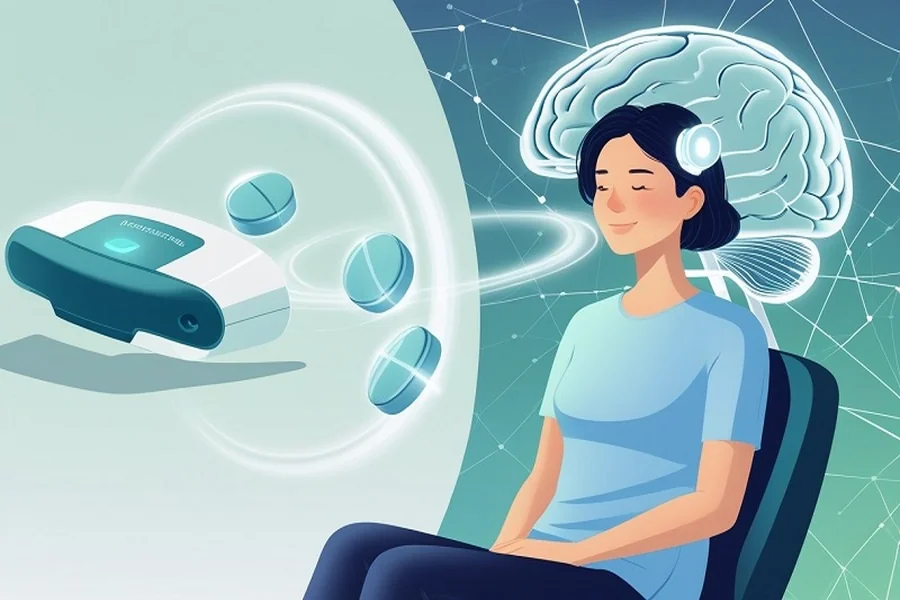
Depression affects millions of people worldwide, and antidepressants have long been the standard first-line treatment for managing symptoms. However, not everyone responds well to medication, and some individuals experience challenging side effects that make long-term use difficult. This has led many to explore alternative treatments like transcranial magnetic stimulation, or TMS therapy.
TMS therapy can replace antidepressants for some patients, particularly those who haven’t responded to medication or experience significant side effects, though it’s not a universal substitute for everyone with depression. The decision depends on individual circumstances, treatment history, and how each person’s depression manifests. TMS works by directly stimulating specific brain regions involved in mood regulation, while antidepressants alter brain chemistry throughout the entire system.
Understanding how TMS therapy compares to traditional medication, when it makes sense as a standalone treatment, and how the two approaches can work together helps patients and their healthcare providers make informed decisions. The effectiveness of either option varies from person to person, making it essential to consider multiple factors before determining the best path forward.
Can TMS Therapy Replace Antidepressants?
TMS therapy works through a fundamentally different mechanism than antidepressants and has shown particular promise for individuals who haven’t responded to medication. The question of replacement depends on individual circumstances, treatment response, and the severity of depression.
Comparing How TMS Therapy and Antidepressants Work
Transcranial magnetic stimulation delivers magnetic pulses directly to underactive brain regions associated with depression, particularly the dorsolateral prefrontal cortex. This targeted approach stimulates neural activity and promotes neuroplasticity without relying on systemic drug circulation.
Antidepressant medication operates through an entirely different pathway. SSRIs (selective serotonin reuptake inhibitors) like fluoxetine and sertraline increase serotonin availability in the brain. SNRIs such as venlafaxine affect both serotonin and norepinephrine levels. MAOIs and tricyclic antidepressants work through additional neurotransmitter mechanisms, all circulating through the bloodstream to reach the brain.
The distinction matters because TMS therapy for depression produces localized effects without systemic side effects common to medications. Antidepressants must pass through the digestive system and bloodstream, affecting multiple body systems. This fundamental difference explains why some patients who cannot tolerate antidepressant medication find TMS therapy more suitable.
Effectiveness of TMS vs. Antidepressants for Depression
Both treatment approaches demonstrate effectiveness for major depressive disorder. Studies show approximately 50-60% of patients experience significant improvement with TMS therapy, while 30-40% achieve remission.
Traditional antidepressants show similar success rates, with roughly 40-60% of patients responding to their first medication trial. However, finding the right antidepressant medication often requires trying multiple options over several months.
The timeline differs between treatments. Antidepressants typically require 4-6 weeks before patients notice symptom relief. TMS therapy courses involve daily sessions over 4-6 weeks, with some patients reporting improvement within 2-3 weeks. Response rates vary based on individual factors including depression severity, previous treatment history, and specific symptoms of depression being addressed.
TMS Therapy for Treatment-Resistant Depression
TMS earned FDA approval specifically for treatment-resistant depression (TRD), defined as depression that hasn’t responded to at least two adequate antidepressant trials. This population represents roughly 30% of individuals with depression.
For patients with TRD, TMS therapy offers response rates of 50-60% even after multiple medication failures. This makes it particularly valuable for those who have exhausted traditional options including various SSRIs, SNRIs, and other antidepressant classes.
Treatment-resistant depression often requires more intensive intervention than mild to moderate depression. TMS provides this escalation without the increased systemic side effects associated with combining multiple medications or using higher doses.
When Is TMS Therapy Considered an Alternative?
Healthcare providers typically consider TMS when patients have not achieved adequate relief from at least one antidepressant medication trial. It becomes a primary alternative for individuals who experience intolerable side effects from antidepressants or have medical contraindications to psychiatric medications.
TMS therapy also serves as an option for patients concerned about long-term medication use or those who cannot take antidepressants due to other health conditions. Some individuals prefer TMS because it doesn’t require daily pills or produce systemic side effects like weight gain, sexual dysfunction, or gastrointestinal problems.
Patients can continue their current antidepressant medication during TMS treatment, and many benefit from this combined approach. Others may reduce or discontinue medication during or after successful TMS therapy, though this requires careful medical supervision to monitor for symptom return.
Integrating TMS Therapy and Antidepressants in Depression Treatment
Combining TMS treatment with antidepressants offers a complementary approach to managing depression, with research showing that these modalities work through different mechanisms to enhance overall effectiveness. Patients can safely continue their medication regimen while undergoing TMS therapy for depression under proper medical supervision.
Potential Benefits of Combination Therapy
TMS therapy and antidepressants target depression through distinct pathways, creating synergistic effects that may improve treatment outcomes. Antidepressants modify neurotransmitter levels throughout the brain, while TMS treatment uses magnetic fields to stimulate specific brain regions involved in mood regulation.
Studies indicate that patients receiving both treatments simultaneously often experience faster symptom relief compared to either therapy alone. The combination allows for potentially lower medication doses in some cases, which may reduce common side effects while maintaining therapeutic benefits.
For individuals with treatment-resistant depression, adding TMS therapy for depression to an existing medication regimen can provide relief when antidepressants alone prove insufficient. This approach is particularly valuable for patients who have experienced partial response to medication but continue to struggle with residual symptoms.
The non-invasive nature of TMS treatment makes it an attractive addition to medication-based protocols. Unlike electroconvulsive therapy, it requires no anesthesia and allows patients to maintain their daily routines during the treatment course.
Side Effects and Tolerability of Each Option
Antidepressants commonly produce side effects including weight gain, sexual dysfunction, nausea, drowsiness, and insomnia. These effects vary depending on the medication class and individual patient response. Sexual dysfunction affects a significant portion of patients taking selective serotonin reuptake inhibitors, while weight gain is more prevalent with certain tricyclic antidepressants and mirtazapine.
TMS treatment typically produces milder side effects, with the most common being temporary scalp discomfort or headache at the stimulation site. These effects usually diminish as treatment progresses. Serious adverse events are rare with properly administered TMS therapy.
The combination approach may allow some patients to reduce medication dosages, potentially minimizing drug-related side effects while still achieving symptom control. However, both treatments require monitoring by qualified healthcare providers to assess tolerability and adjust protocols as needed.
Considerations for Discontinuing Antidepressants
Patients should never discontinue antidepressants abruptly, as this can trigger withdrawal symptoms and increase relapse risk. Any medication changes must occur under direct physician supervision, with gradual tapering schedules tailored to the specific drug and individual patient factors.
The decision to reduce or discontinue medication during or after TMS treatment depends on multiple factors, including symptom improvement, treatment history, and relapse risk. Some patients may successfully transition off medications following a complete TMS course, while others benefit from maintaining both treatments long-term.
Healthcare providers typically recommend waiting until patients achieve stable symptom remission before considering medication reduction. A comprehensive evaluation should include discussion of relapse history, severity of past episodes, and the patient’s preferences regarding long-term depression treatment options.
Integrating psychotherapy alongside medication and TMS therapy creates a more comprehensive treatment framework. This multimodal approach addresses both biological and psychological aspects of depression. Patients interested in exploring combination strategies should schedule a consultation with a qualified provider to develop an individualized treatment plan.


