
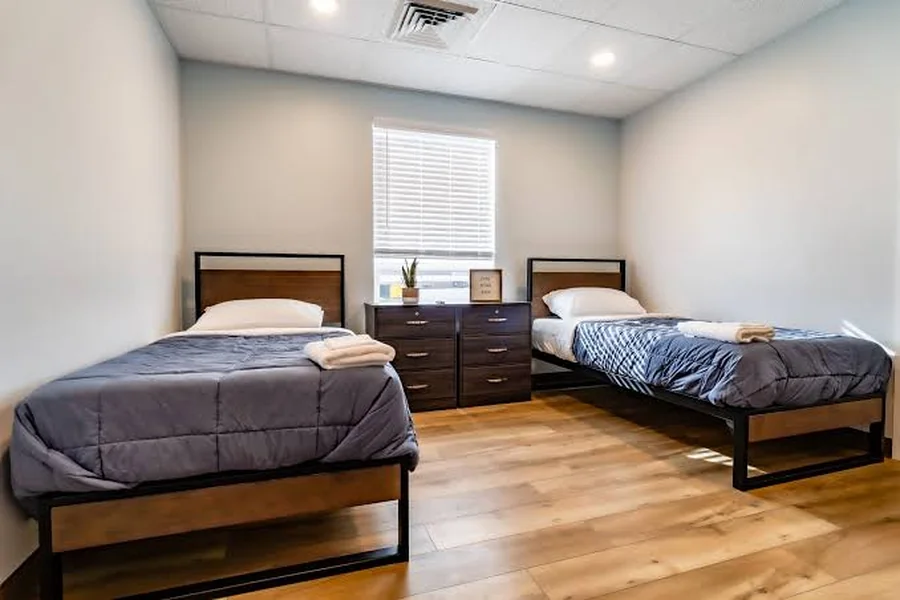
I once watched a family drive three hours to tour a treatment center they’d found online, only to turn around in the parking lot ten minutes later. The building wasn’t what they’d pictured, the intake process felt rushed, and nobody could tell them what the first week would actually look like. That’s the gap most people fall into. They research rehab the way they’d research a hotel, then panic when it turns out to be a clinical decision instead of a vacation booking.
Here’s the promise: by the end of this piece, you’ll know exactly what happens inside an inpatient program, what questions to ask before you commit, and what to expect in the first 72 hours. You’ll also get a realistic picture of cost, family involvement, and how to tell whether a place is actually a good fit for you or someone you love.
What inpatient treatment actually is (and isn’t)
Inpatient, sometimes called residential, means you live at the facility for the length of your program. Most stays run somewhere between 28 and 90 days, though that range flexes based on your history, your substance of choice, and whether you’re dealing with a co-occurring mental health condition.
What it isn’t: a vacation, a punishment, or a guaranteed fix. It’s a structured environment where your days are scheduled from morning group through evening reflection, and the point of that structure is to remove the triggers, people, and routines that kept you using. You eat on a schedule. You sleep on a schedule. You go to therapy every day instead of once a week.
The first few days are usually the hardest, and not for the reason people expect. It’s not the boredom. It’s the quiet. When you strip out the chaos of active use, what’s left is a lot of time alone with your own head, and that’s often the real work.
Why Ohio’s treatment landscape looks the way it does
Ohio has been hit especially hard by the opioid crisis, and that history shapes what treatment looks like here. According to the Centers for Disease Control and Prevention, drug overdose deaths increased dramatically across the country over the past two decades, with the Midwest bearing a heavy share of that toll. That context matters because it means Ohio treatment centers tend to be built around medically supervised withdrawal and medication-assisted treatment rather than simple talk therapy.
If you’re comparing programs, this is a regional detail worth noticing. Some states lean heavily on 12-step models. Ohio facilities more often combine behavioral therapy with medication, because the withdrawal curve for opioids and fentanyl makes going cold turkey genuinely dangerous for a lot of people. That’s not a philosophical preference. It’s a clinical reality that grew out of what this state has lived through.
My own take: if a facility in Ohio tells you they don’t need medical staff on site, walk away. That’s the one non-negotiable.
Ask these before you sign anything
Walk in with a written list. These five questions separate a serious program from a sales pitch.
- Who supervises withdrawal? You want a physician or nurse practitioner on site or on call, not just counselors.
- What’s the daily schedule? Ask for a printed copy. Real programs have one. Vague answers are a red flag.
- How do you handle co-occurring conditions? Anxiety, depression, and trauma often sit underneath the substance use, and a program that ignores them tends to produce short-lived results.
- What does aftercare look like? A good facility starts planning your discharge on day one, not day 27.
- Can family visit, and when? Get the actual rules, not the brochure version.
Write their answers down. If two facilities give you conflicting stories, that’s your signal to dig deeper, not to pick the one with nicer landscaping.
The first week, hour by hour
Intake takes a few hours. You’ll fill out paperwork, meet with a clinician, get a medical assessment, and hand over your phone. That last part stings for a lot of people. But cutting off contact with your using network is part of the point, and most programs give you scheduled call times instead of constant access.
Days one through three usually focus on stabilization. If you need medical withdrawal management, that happens now, supervised and monitored. You might sleep more than you expect. You might sweat through your sheets. You might feel angry for no clear reason. All of it is normal, and the staff have seen it hundreds of times.
By day four, the schedule kicks in fully. Morning group, individual therapy, lunch, afternoon group or a workshop, dinner, then an evening meeting. Some days include recreational time. Some include family programming. Here’s the thing nobody tells you upfront: the routine itself becomes the medicine. Your body and brain start to recalibrate around consistency instead of crisis.
Family involvement varies more than people realize. Some programs run structured family weekends. Others offer weekly phone sessions with a counselor. If you’re the one supporting someone in treatment, ask how you’ll be included, because the research base on family participation points to better long-term outcomes when loved ones are part of the process.
What residential rehab in Ohio costs, and who pays
This is where people freeze, so let’s just say it plainly. Residential treatment can run from a few thousand dollars to tens of thousands for a full stay, depending on length, amenities, and whether the facility is nonprofit or private.
Most people don’t pay out of pocket. Ohio’s Medicaid program covers addiction treatment for eligible residents, and many private insurers are required to cover substance use disorder treatment at levels comparable to medical care under federal parity rules. According to the Substance Abuse and Mental Health Services Administration, there are also state-funded and grant-supported options through community providers, which can help cover the cost of residential rehab in Ohio even when insurance falls short.
Call your insurer before you call the facility. Ask three things: what’s the deductible, is this specific provider in network, and how many days are authorized. Getting those numbers upfront saves you from a very unpleasant surprise three weeks in.
A decision framework I’d actually use
Most people pick a facility based on proximity or a recommendation. That’s fine as a starting filter, but here’s the structure I’d run instead, in this order:
- Medical capability first. Does the program handle withdrawal safely for your specific substance?
- Co-occurring care second. Do they treat the mental health side, or just the substance?
- Aftercare third. What happens on day 28, 60, or 90? Housing, outpatient, job support?
- Logistics last. Distance, amenities, and food matter less than the three items above, and I mean that.
If two programs tie on medical care and aftercare, then by all means pick the one closer to home. Just don’t let convenience make the decision for you.
When someone you love is the one going in
Your job during their stay isn’t to fix them. It’s to stay steady. Go to the family sessions if they’re offered. Don’t promise things you can’t deliver. And prepare yourself for the possibility that they’ll come home different, which is the goal, but it also means your relationship needs to change with them.
One more thing. According to the National Institute of Mental Health, substance use disorders frequently overlap with other mental health conditions, so if your loved one has been treated for depression or anxiety separately, bring that history to the intake assessment. Programs can only work with what they know.
What happens after you leave
Discharge isn’t the finish line. It’s the start of the part where you’re doing the work without a schedule holding you up. Most people transition into outpatient therapy, sober living, or a step-down program, and the first ninety days after residential care are widely considered the highest-risk window for relapse.
So line up your aftercare before you walk out the door. Have a sponsor or support group picked out. Know your outpatient appointment date. Have a plan for the people and places you need to avoid for a while.
If you’re reading this because you’re finally ready, don’t spend another month researching. Call a facility, ask the five questions above, and get the medical assessment started. That phone call is the whole thing. Everything else follows from it.