
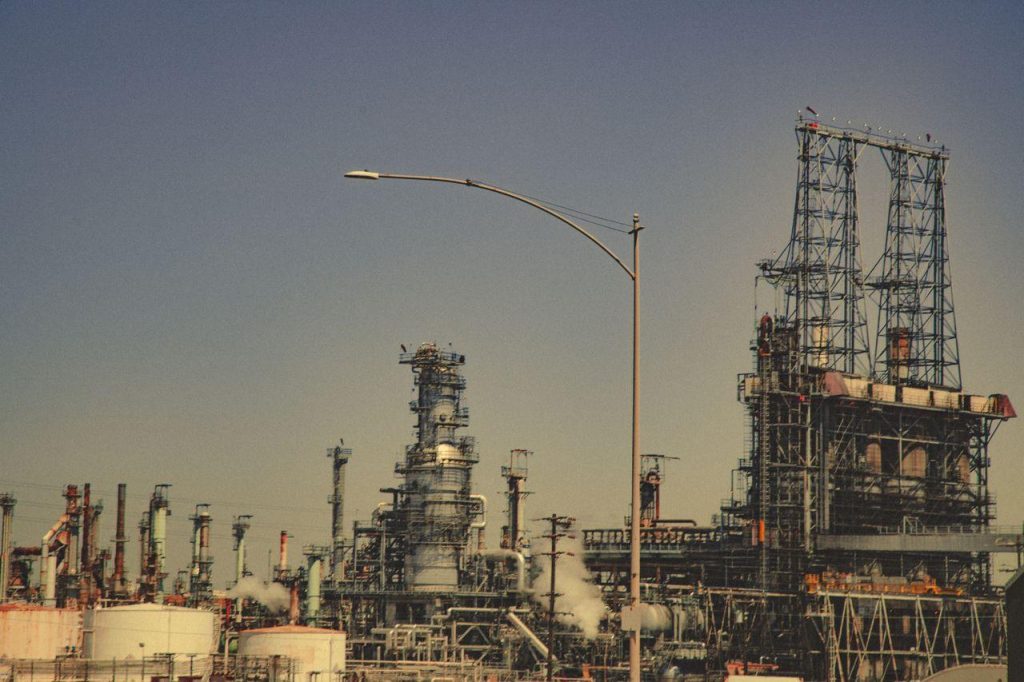
Electric vehicles, renewable energy and new technologies are changing how the world uses energy, but oil remains deeply embedded in the global economy. From transportation and manufacturing to agriculture and international trade, its influence extends far beyond the gas pump.
The World's Continued Reliance on Oil
Despite decades of investment in alternative energy, the world still consumes more than 100 million barrels of oil every day. Demand comes from developed economies, emerging markets and industries that have few practical alternatives.
Oil is particularly important because it serves two purposes. It provides energy for transportation and industrial activities, while also supplying raw materials for thousands of everyday products.
Its importance is reflected in financial markets. An oil price forecast can offer clues about where fuel and transportation costs are heading, helping businesses plan their expenses and households prepare for possible changes in everyday prices. Countries producing relatively little oil can experience significant economic consequences when global prices rise.
However, dependence varies considerably between countries. Some economies rely heavily on oil exports for government revenue, while others depend on imports to keep businesses and transportation networks operating.
Transportation Still Runs Largely on Oil
Transportation is one of the clearest examples of continued oil dependence. Gasoline and diesel power much of the world's vehicle fleet, while aviation and shipping remain particularly reliant on petroleum-based fuels.
Electric vehicles are becoming more common, especially in China and parts of Europe. Nevertheless, replacing the world's existing cars, trucks and buses will take considerable time.
Commercial transportation presents additional challenges. Long-distance trucking requires vehicles capable of carrying heavy loads over substantial distances. Electric alternatives are improving, but charging infrastructure, battery costs and vehicle range remain important considerations.
Air travel is even more difficult to transform. Batteries are currently too heavy for most long-distance commercial flights, making aviation fuel essential for the foreseeable future.
International shipping faces similar obstacles. Although alternative fuels are being developed, conventional marine fuels continue to play a major role in moving goods between continents.
Oil Is Used in More Than Just Fuel
Many people associate oil primarily with driving, but petroleum also plays an important role in manufacturing.
Plastics, synthetic fibers, packaging materials, paints and numerous chemicals are produced using petroleum-derived ingredients. These materials appear in everything from household appliances and clothing to medical equipment and construction products.
Consider a typical supermarket. Plastic bottles, food packaging, cleaning products and even some materials used in refrigeration equipment can trace part of their production process back to oil.
Agriculture also depends on petroleum products. Diesel powers tractors and harvesting equipment, while oil-derived materials are used in agricultural chemicals, machinery components and packaging.
Reducing this dependence requires more than switching electricity suppliers. Manufacturers must develop alternative materials, redesign production processes and establish supply chains capable of operating at competitive costs.
Why Oil Prices Affect Everyday Living Costs
Changes in oil prices can influence household budgets even when consumers rarely purchase fuel directly.
When diesel becomes more expensive, transportation companies may charge more to deliver food, clothing and other products. Airlines can face higher operating expenses, while manufacturers may pay more for petroleum-based materials.
Businesses sometimes absorb these additional costs, but they can also pass them on to customers through higher prices.
The consequences can be especially difficult for countries that import most of their energy. A sudden increase in oil prices can weaken purchasing power, increase trade expenses and place pressure on government budgets.
This explains why oil remains closely connected to inflation and economic stability, even as renewable energy becomes more widespread.
Can Renewable Energy Reduce Oil Dependence?
Solar panels, wind turbines and other renewable technologies are expanding rapidly. However, replacing fossil fuels in electricity generation does not automatically eliminate oil consumption.
Much of the world's electricity is generated using coal, natural gas, nuclear energy and renewable sources rather than oil. Consequently, expanding solar and wind power primarily reduces dependence on the fuels used to generate electricity.
Electric transportation offers a more direct opportunity to reduce oil consumption. As more drivers adopt electric cars and public transportation systems become electrified, demand for gasoline and diesel could decline.
Recycling, alternative packaging materials and improvements in industrial efficiency could also reduce petroleum consumption.
The transition will probably happen at different speeds across industries and countries, depending on infrastructure, investment and access to technology.
Will the World Ever Stop Using Oil?
Completely eliminating oil consumption remains a distant prospect. Some applications have increasingly practical alternatives, while others still depend on petroleum because of its energy density, availability or chemical properties.
The more realistic question is how much oil the world will need in the coming decades.
Electric vehicles, improved efficiency and alternative materials could gradually reduce consumption in certain sectors. At the same time, expanding economies and growing demand for manufactured products may continue supporting oil use elsewhere.
The world is becoming less dependent on oil in some areas, but it is far from leaving petroleum behind. For businesses, governments and households, oil will likely remain an important economic consideration for many years to come.