Thinking about getting rid of that tattoo you’ve been regretting? You’re not alone. Millions
of people decide each year that a piece of ink that once held meaning no longer fits their life
story. Whether it’s an ex’s name, a design that didn’t age well, or simply a change in
personal taste, removing a tattoo safely requires knowledge and careful consideration.
The good news is that modern technology has made tattoo removal safer and more effective
than ever before. This guide will walk you through everything you need to know about
safely removing unwanted ink from your skin.
Contents
Understanding Your Tattoo Removal Options
Before diving into the removal process, it’s important to understand what methods are
available. While home remedies and creams promise easy solutions, the reality is that
professional laser removal remains the gold standard for safe and effective tattoo
elimination.
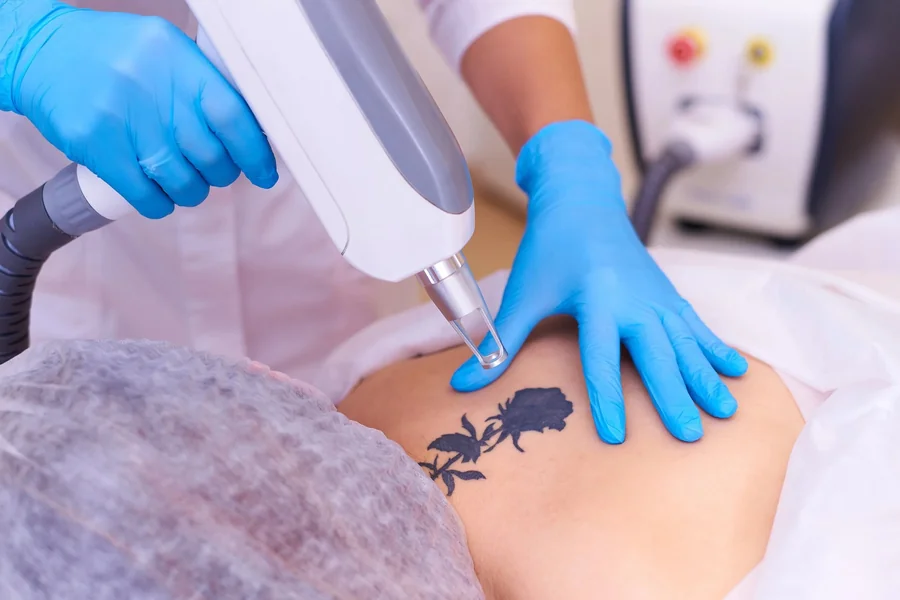
Laser removal works by breaking down the ink particles in your skin using concentrated
light beams. Your body’s immune system then naturally flushes out these smaller particles
over time. Other methods like surgical excision or dermabrasion exist but are typically
reserved for specific situations and carry higher risks of scarring.
The quality of removal technology varies significantly between clinics, so researching your
options is crucial. Advanced laser tattoo removal Surrey clinics and similar facilities in other
areas now use cutting-edge equipment that can target multiple ink colors while minimizing
damage to surrounding skin.
Finding the Right Professional
Choosing the right practitioner is perhaps the most critical step in your tattoo removal
journey. You want someone with proper certification, extensive experience, and access to
modern equipment.
Start by researching licensed dermatologists or certified laser technicians in your area.
Check online reviews, before-and-after photos, and ask about their specific experience with
tattoos similar to yours. Don’t hesitate to schedule consultations with multiple providers
before making your decision.
During your consultation, a qualified professional should assess your tattoo’s size, colors,
location, and your skin type. They should also discuss realistic expectations, potential side
effects, and provide a treatment plan tailored to your specific situation.
Preparing for Your Removal Sessions
Proper preparation can significantly impact your results and minimize complications. Your
practitioner will provide specific instructions, but there are general guidelines that apply to
most patients.
Avoid sun exposure and tanning for at least four weeks before treatment, as darker skin
increases the risk of pigmentation changes. Stay well-hydrated and maintain healthy skin
through moisturizing. If you smoke, consider quitting or reducing consumption, as smoking
can slow the healing process.
You should also avoid blood-thinning medications like aspirin for a week before treatment
unless medically necessary. Arrive at your appointment with clean skin, free of lotions,
makeup, or other products.
What to Expect During Treatment
Understanding the treatment process helps reduce anxiety and ensures you’re prepared for
what’s ahead. Most laser removal sessions last between 15 to 30 minutes, depending on the
tattoo’s size.
The sensation is often described as similar to getting the tattoo initially, with some
comparing it to rubber bands snapping against the skin. Most clinics offer numbing cream
or cooling devices to manage discomfort. You’ll likely see immediate frosting of the skin,
which is a normal reaction that fades within minutes.
Multiple sessions spaced 6 to 8 weeks apart are always necessary. The number depends on
factors like ink color, depth, and your skin’s response. Black and dark blue inks typically
respond best, while lighter colors like yellow and green may require more treatments.
Aftercare and Recovery
Proper aftercare is essential for optimal results and preventing complications. Immediately
after treatment, your skin will likely appear red and swollen, similar to a sunburn.
Apply ice packs for the first 24 hours to reduce swelling. Keep the area clean and dry, and
apply any prescribed ointments as directed. Cover the treated area with a sterile bandage
for the first few days to protect it from bacteria and irritation.
Avoid picking at any blisters or scabs that form, as this increases scarring risk. Stay out of
the sun and avoid swimming pools, hot tubs, and intense exercise for at least 48 hours after
each session.
Recognizing and Managing Side Effects
While laser tattoo removal is generally safe, being aware of potential side effects helps you
respond appropriately. Temporary redness, swelling, and blistering are normal and
typically resolve within a week or two.
Watch for signs of infection like excessive pain, pus, or spreading redness. Changes in skin
pigmentation can occur but usually fade over time. Scarring is rare when treatments are
performed correctly and aftercare instructions are followed.
Contact your practitioner immediately if you experience severe pain, signs of infection, or
unexpected reactions. Most side effects are manageable with proper care and professional
guidance.
Conclusion
Removing a tattoo safely requires patience, research, and commitment to proper care. By
choosing a qualified professional, following pre-treatment guidelines, and adhering to
aftercare instructions, you can achieve excellent results while minimizing risks. Remember
that tattoo removal is a gradual process that can take months to complete, but with modern
technology and expert care, that unwanted ink can become a thing of the past.