
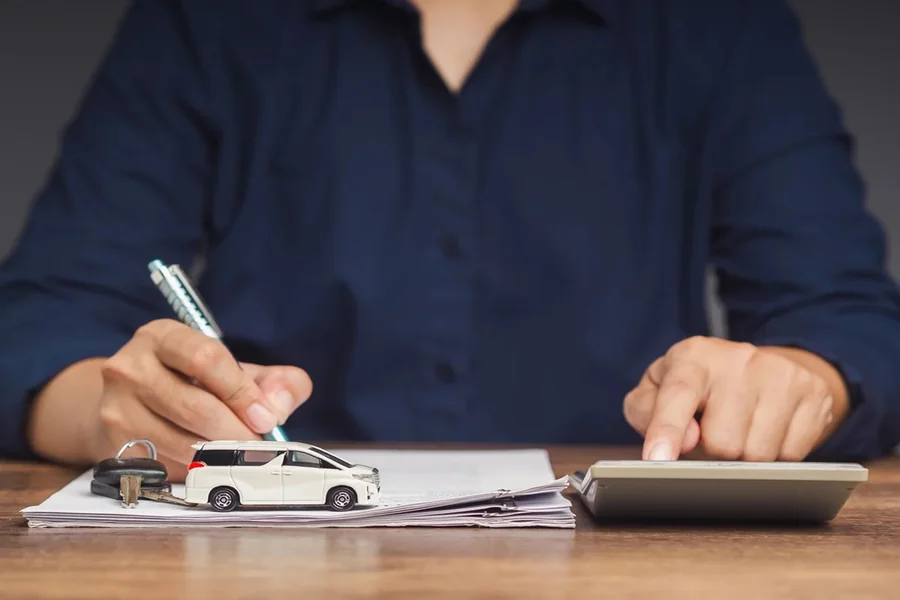
The end of a car lease sneaks up on everyone. One day you are enjoying a car that still feels new, and the next you are staring at a letter from the leasing company asking what you want to do. You have two main choices: hand the keys back and walk away, or buy the car outright at a price set when you first signed. It sounds simple, but the right answer depends on numbers and feelings that are easy to tangle together. Here is how to think it through clearly.
What a lease buyout actually means
When you lease a car, the contract includes a buyout price, sometimes called the residual value. This is the amount the leasing company predicted the car would be worth at the end of the term, set years in advance when you signed. Buying out your lease simply means paying that figure (plus any fees and taxes) to own the car instead of returning it.
The key insight is that the buyout price was a guess made at signing. The actual market value of your car today might be higher or lower than that guess. That gap, between what you can buy it for and what it is really worth, is the heart of the decision.
When buying out your lease makes sense
Buying out the lease is often the smart move in a few clear situations.
The car is worth more than the buyout price. If used car values have risen or your model holds value unusually well, the residual figure from years ago may now look like a bargain. You could buy the car and own an asset worth more than you paid.
You went over your mileage or caused wear. Returning a car with excess mileage or damage means paying penalties, sometimes steep ones. If those charges are large, buying the car can be cheaper than handing it back and paying the fees.
You genuinely like the car and it has been reliable. You already know this car’s history. There are no surprises, no previous owners, and no guesswork about how it was treated. For many people, a known, reliable car is worth more than rolling the dice on something new.
You want to avoid the hassle and cost of replacing it. In a market where new cars are expensive and hard to get, keeping the one you have can be the calmer, cheaper path.
When returning the car is the better call
Handing the keys back is often wiser when the opposite conditions apply.
The buyout price is higher than the car is worth. If you could buy the same car cheaper elsewhere, paying the inflated residual makes no sense. Return it and shop around.
The car has become unreliable or no longer fits your life. If it has started costing you in repairs, or your needs have changed, returning it lets you walk away cleanly.
You want something new and your mileage and condition are within limits. If you kept the car in good shape and stayed under the mileage cap, returning it is painless and you simply move on to your next vehicle.
Do the math before the emotion
The trap most people fall into is deciding with their heart. You get attached to a car, especially one you have named and lived in for three years, and that attachment quietly overrides the numbers. Before you let sentiment win, gather the facts: your exact buyout price including all fees, the current market value of your specific car, any excess mileage or wear charges you would face on return, and the cost and availability of a comparable replacement.
Those four figures tell you most of what you need to know. If the buyout price plus fees is clearly below what the car is worth and below the cost of replacing it, keeping it is usually the rational choice. If it is higher, returning it is usually smarter.
Because this involves several moving parts, it helps to use a tool that weighs them together rather than juggling them in your head. A quick way to get a clear read is to check a lease buyout score that factors in your car’s equity, reliability, mileage, and replacement cost, so you can see at a glance whether the decision of should you buy out your lease or return it leans toward keeping or returning before you ever set foot in the dealership.
Watch out for the pressure and the fees
Leasing companies and dealers both have incentives in this process, and they are not always aligned with yours. A dealer may push a buyout or a new lease depending on what benefits them that month. Read the fine print for disposition fees charged on return, purchase fees charged on buyout, and any taxes that apply to the buyout price in your area. These extras can swing the math by a meaningful amount, so include them from the start rather than discovering them at signing.
The bottom line
A lease buyout is one of the few car decisions where you hold real leverage, because you already have the car and the contract spells out your options. Treat it as a numbers problem first and a feelings problem second. Pull your buyout price, compare it honestly against the car’s real value and the cost of moving on, and let that comparison guide you. Do that, and whether you keep your car or hand it back, you will know you made the choice that actually served you.
Frequently asked questions
What is a lease buyout price?
It is the amount set in your lease contract, also called the residual value, that you can pay to own the car at the end of the term. It was estimated when you first signed the lease.
How do I know if buying out my lease is a good deal?
Compare the buyout price plus any fees against the car’s current market value and the cost of a comparable replacement. If the buyout is clearly lower, keeping the car usually makes financial sense.
Are there fees when returning a leased car?
Often yes. Many leases include a disposition fee on return, plus charges for excess mileage or wear beyond normal use. These can make returning more expensive than it first appears.
Can I negotiate my lease buyout price?
The residual value is usually fixed in the contract, but fees and financing terms can sometimes be negotiated, and in some cases the leasing company will discuss the price near lease end. It never hurts to ask.
Should I buy out my lease if the car is worth more than the buyout price?
That is one of the strongest cases for buying it out. You effectively purchase an asset for less than its market value, which can save money even if you plan to sell it afterward.