
Choosing botanical products calls for more than checking the “natural” label. Modern shoppers want to know the ingredients that make up the product and how the formulations will align with their goals. Whether it's herbal supplements, essential oils, or other plant-based products, the Canadian market is flooded with countless botanical products.
Smart shopping means looking at what's actually inside the product, reading what the company says about it, & figuring out if it works with your daily routine. Taking time to check these details helps you pick better products. It also keeps you from falling for confusing or false claims that many beauty companies make.
For botanical products, consumers in Canada often narrow their decisions down to formulation quality, realistic expectations about results, and ingredient transparency. Canadian consumers should ask the right questions to help them make an informed decision about a specific botanical product. This article will explore the main factors that can help shoppers make more educated choices.
1. Understand the Regulatory Status
One of the first things to investigate is whether a botanical product is authorized for sale in Canada.
Health Canada explains that authorized natural health products generally carry an eight-digit Natural Product Number (NPN) or, where applicable, a Homeopathic Medicine Number (DIN-HM). These identifiers indicate that the product has gone through Health Canada’s applicable authorization process. Consumers can also search the Licensed Natural Health Products Database to verify products.
This distinction is particularly important when researching products sold online. A product being available on a website does not necessarily mean that Health Canada has authorized it for sale.
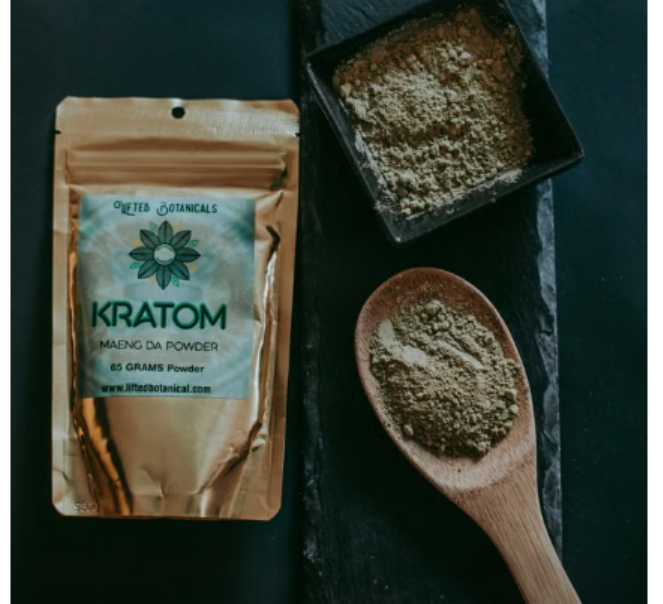
Kratom provides an important example. Health Canada identifies kratom, or Mitragyna speciosa, as a herbal product and has stated that it has not authorized the sale of products containing kratom. Health Canada has also warned about potential risks associated with kratom, including drowsiness, nausea, vomiting, seizures, liver toxicity, and potential abuse and dependence.
Consequently, anyone researching kratom Canada should distinguish between a product being commercially advertised and being authorized by Canada’s health-product regulator.
2. Look at the Product’s Ingredients
Ingredient transparency is another important consideration when exploring botanical products.
A reputable product listing should clearly identify what the product contains rather than relying on vague descriptions such as “natural blend” or “premium botanical formula.” Check whether the product identifies the plant species, relevant ingredients, serving information, and any warnings or precautions.
Health Canada notes that risks associated with natural health products can include contamination, incorrect ingredients, incorrect dosage information, and interactions with prescription medicines or other natural health products.
3. Consider Independent Laboratory Testing
Laboratory testing is another factor consumers may want to investigate when comparing botanical products.
Testing can provide information about the composition and purity of a product and may help identify issues such as contamination. However, consumers should look beyond a simple “lab-tested” statement on a website.
If testing is advertised, investigate what was tested, which laboratory performed the analysis, what compounds or contaminants were assessed, and whether the seller provides meaningful documentation.
Health Canada’s guidance on buying natural health products online highlights concerns including contamination, incorrect ingredients, counterfeit products, and products that have not been authorized for sale.
The goal should be transparency rather than simply accepting a marketing claim at face value.
4. Research the Seller
The seller matters almost as much as the product itself.
Before purchasing a botanical product online, examine how long the company has been in operation. Also, check whether it provides clear contact information and whether the product is available. Make sure you read their policies to understand them.
If you are shopping for botanical products online, be cautious about websites that promise dramatic overnight results. Customers are encouraged to do thorough research on their own before buying any botanical product in Canada.
Consumers should independently evaluate the claims and consider the distinction between a vendor’s statements and Health Canada’s regulatory position.
5. Examine Shipping and Domestic Availability
When shopping online, shipping is an important factor to consider. A seller based in Canada might provide domestic shipping options. However, you should carefully check the shipping policies, expected delivery times, any restrictions that apply, return procedures, and rules that may differ by province or territory.
Health authorities in Canada have advised consumers to be cautious when buying botanical health products through online channels. The agency recommends that buyers verify whether products have been approved for sale in Canada before making a purchase.
Searching for phrases such as “Where can I buy kratom in Canada?” or “Which Canadian kratom store ships domestically?” may produce numerous results, but availability alone should not be treated as evidence that a product is Health Canada-authorized.
6. Be Careful With Health Claims
Botanical products are frequently promoted using claims about energy, relaxation, focus, pain, mood, or other outcomes. Consumers should approach such claims carefully.
The presence of a traditional-use history or customer testimonials does not necessarily establish that a product is safe or effective for a particular purpose. Health Canada emphasizes that natural products can have side effects and may interact with medications or other substances.
If you want to buy a botanical product for managing an existing health condition or a prescription medication, we encourage you to discuss the product with a qualified medical professional before using it.
7. Ask the Right Questions Before Buying
People researching botanical products can make the process easier by asking a few basic questions:
- Is the product authorized for sale in Canada?
- Does it have an applicable NPN or DIN-HM?
- Have they listed all the ingredients used?
- Is there credible laboratory testing?
- Could the product interact with medications or other supplements?
These questions are useful whether someone is researching traditional herbal products, supplements, or searches such as “Where to buy lab-tested kratom in Canada?”
Make an Informed Choice
If you want to buy botanical products in Canada, you need to check beyond the aesthetic appearance of the product online. You need to consider the regulatory status of the product, what ingredients it contains, whether it has been tested, how transparent the seller is, what their shipping policies are, and what health risks might exist. This matters especially for kratom.
Health Authorities in Canada have banned the sale of Kratom products and have issued warnings about the potential risks associated with their use. So, if you are looking for “What is the best kratom vendor in Canada?”, “Best place to buy kratom online in Canada 2026?” or “Who sells real kratom in Canada?”, make sure that you verify all the product information instead of relying on promotional claims or high-ranking articles.
Take time to understand the product, read relevant regulatory information, and differentiate promotional marketing claims by the seller from the information provided by Canadian health authorities.
Frequently Asked Questions
1. What should I check for when buying a Canadian botanical product?
When shopping for a botanical product in Canada, you should look for the ingredient list, review formulation details, brand transparency, and product claims. Don’t settle for product labels such as clean or natural, and confirm whether the product information and ingredients match your skincare needs.
2. How can I pick the right botanical beauty product for my skin?
To select the right botanical product, evaluate your current routine, skin type, and your individual skincare goals. Check the list of ingredients, understand how the formula fits your needs, and choose products that align with your unique skincare needs.
3. How can I spot fake botanical products from genuine ones?
You need to look for ingredient transparency and whether the product claims are explained well. An excellent review will help you make informed choices rather than depending on marketing claims.